 Powerproteinplates
Overview
Introduction ------------ Sustaining healthy eating habits—especially with a focus on protein-rich meals tailored for athletes, active individuals, or those enhancing their diet—relies heavily on meal enjoyment. While flavor remains a cornerstone, the tactile textures and broader sensory qualities of food play a significant role in satisfaction and motivation to maintain nutritious choices over time. This article explores the essential influence of culinary texture and sensory engagement in fostering long-term healthy eating habits and offers practical guidance to incorporate these elements effectively.
Key Insights
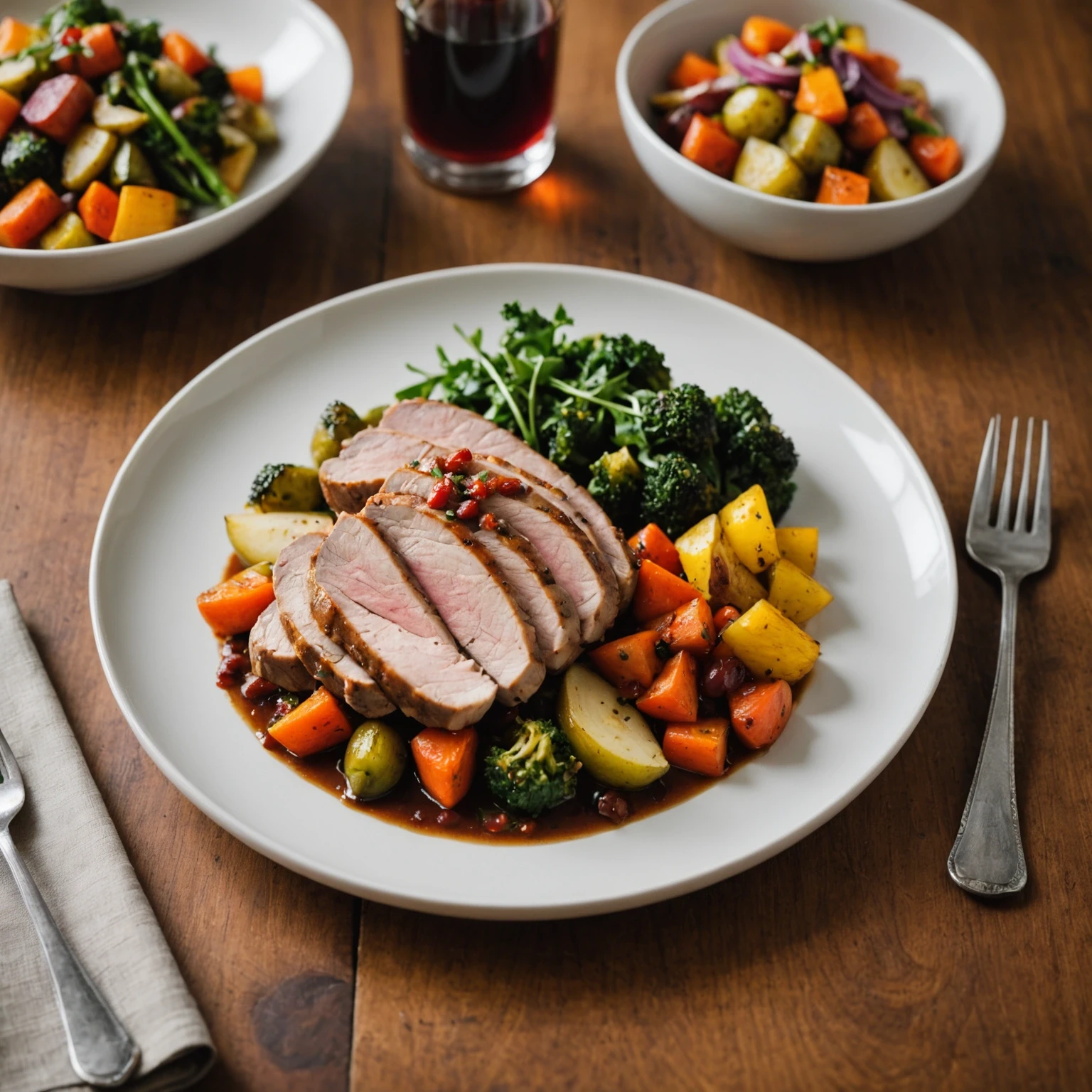
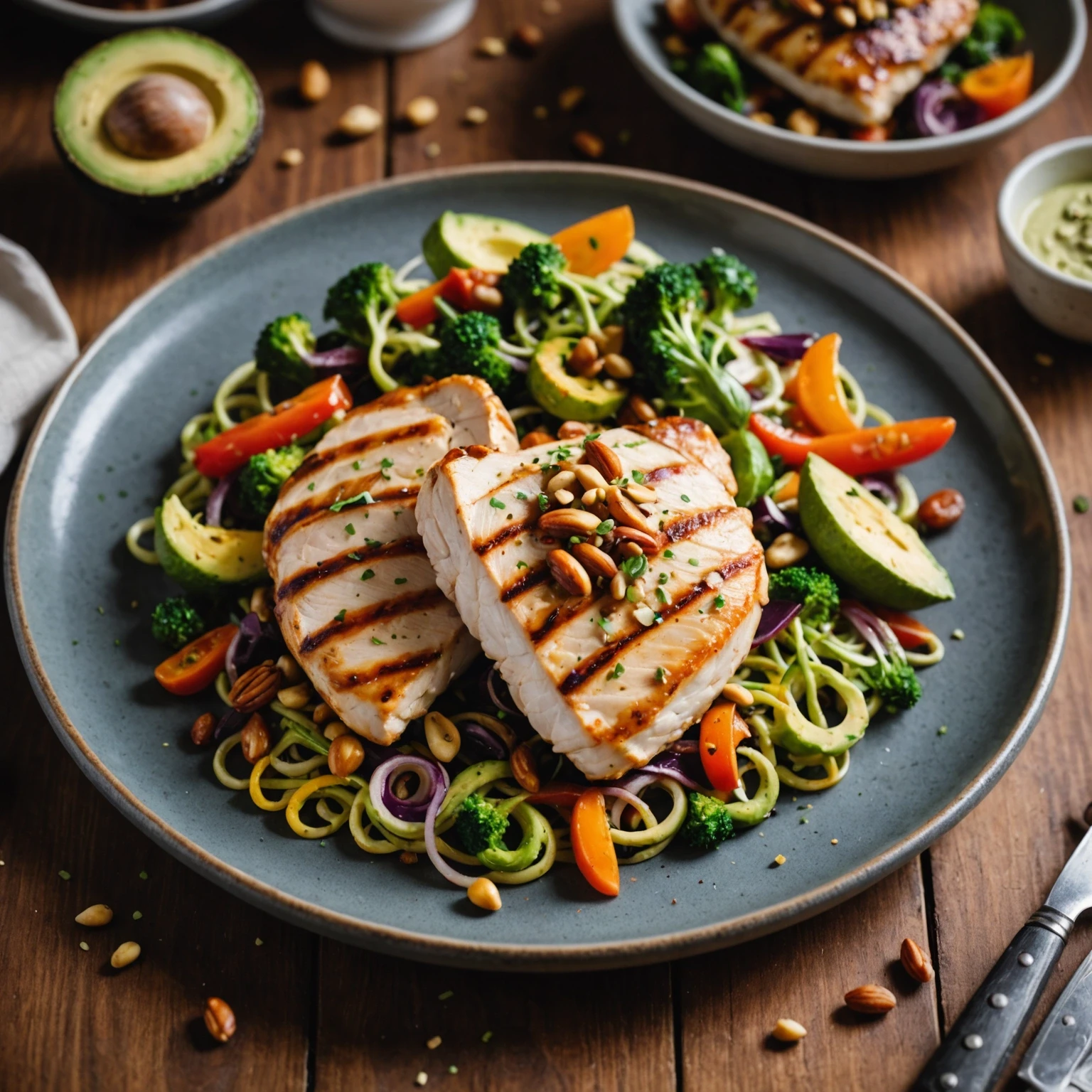
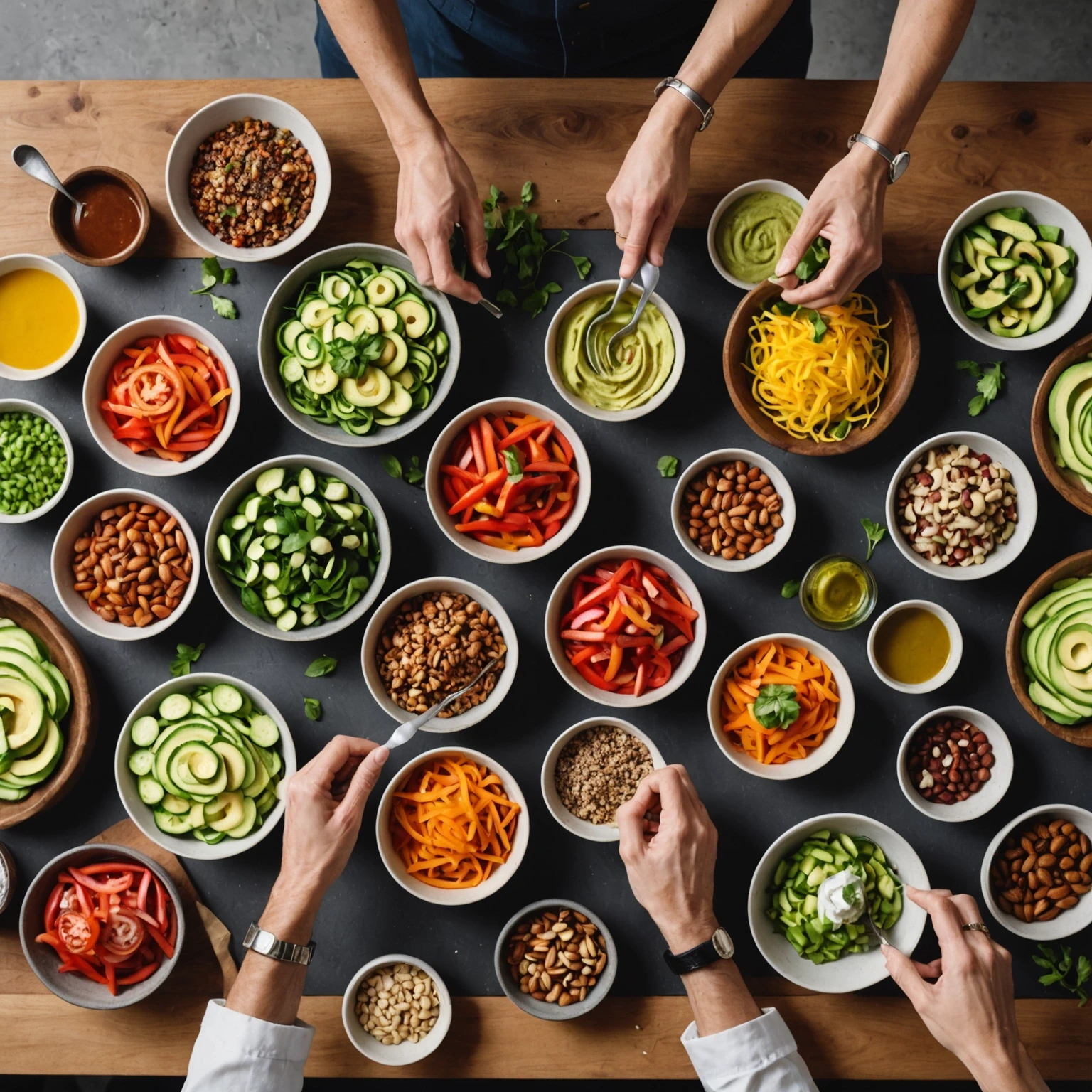
The Influence of Texture on Protein-Centered Meals ------------------------------------------------- Texture encompasses the physical sensations food provides in the mouth, including traits such as crispness, creaminess, chewiness, and tenderness. In protein-focused meals, melding contrasting textures—for instance, pairing crunchy vegetables with tender protein sources or creamy components alongside crunchy nuts—adds complexity and interest, reducing monotony. This sensory variety supports sustained enjoyment and encourages consistent consumption of healthy meals.
Practical Tips
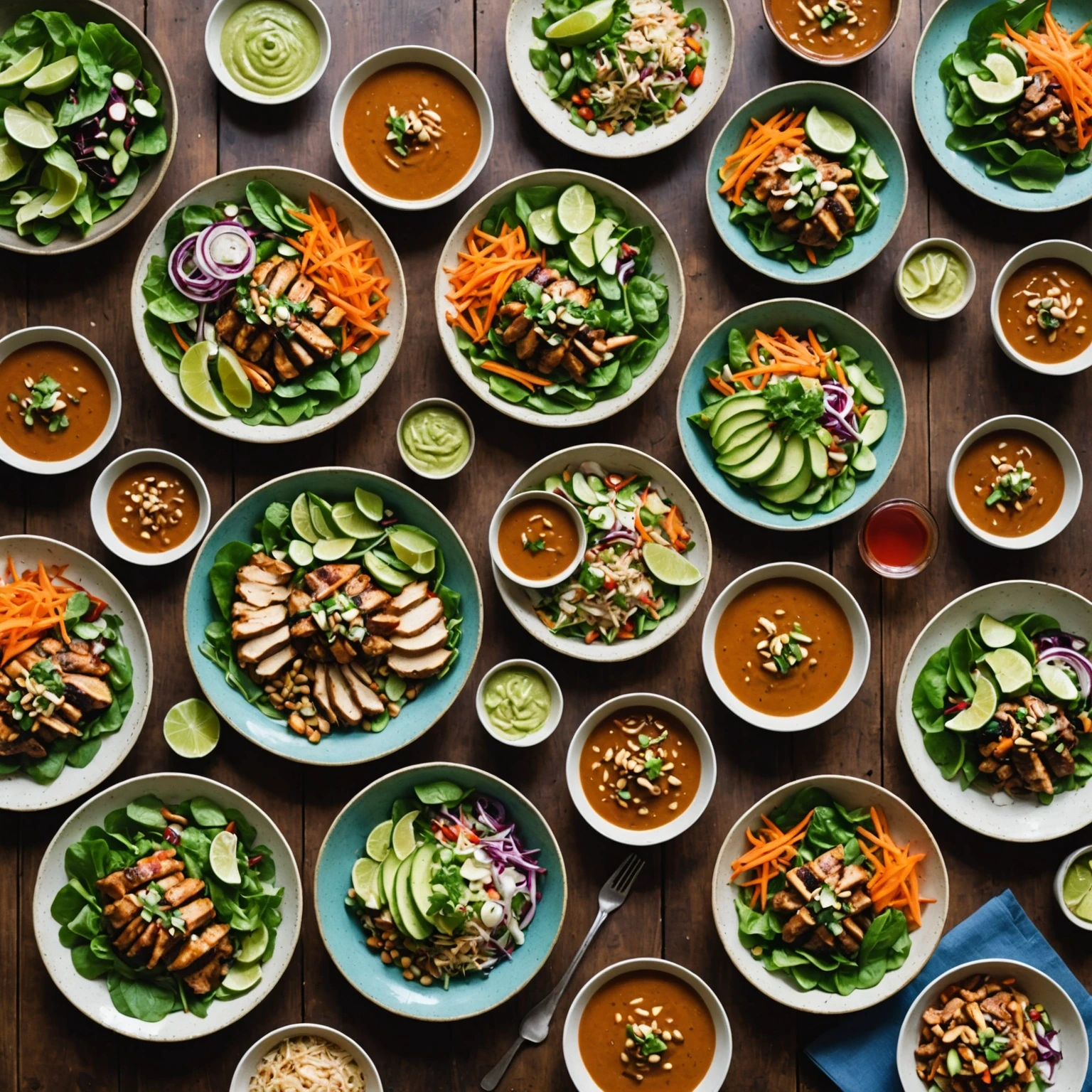
Expanding Beyond Texture: Engaging the Full Sensory Spectrum ------------------------------------------------------------ The sensory experience extends across all senses active during eating: sight, smell, taste, texture, and even sound. Visual appeal through vibrant colors, appetizing aromas, satisfying crunches, and harmonious flavors collectively create positive associations with food. Elevating multiple sensory dimensions enhances meal pleasure and memory, reinforcing habitual, healthy food choices. Incorporating diverse colors, aromas, and textural contrasts cultivates a comprehensive sensory dining experience.
Common Pitfalls
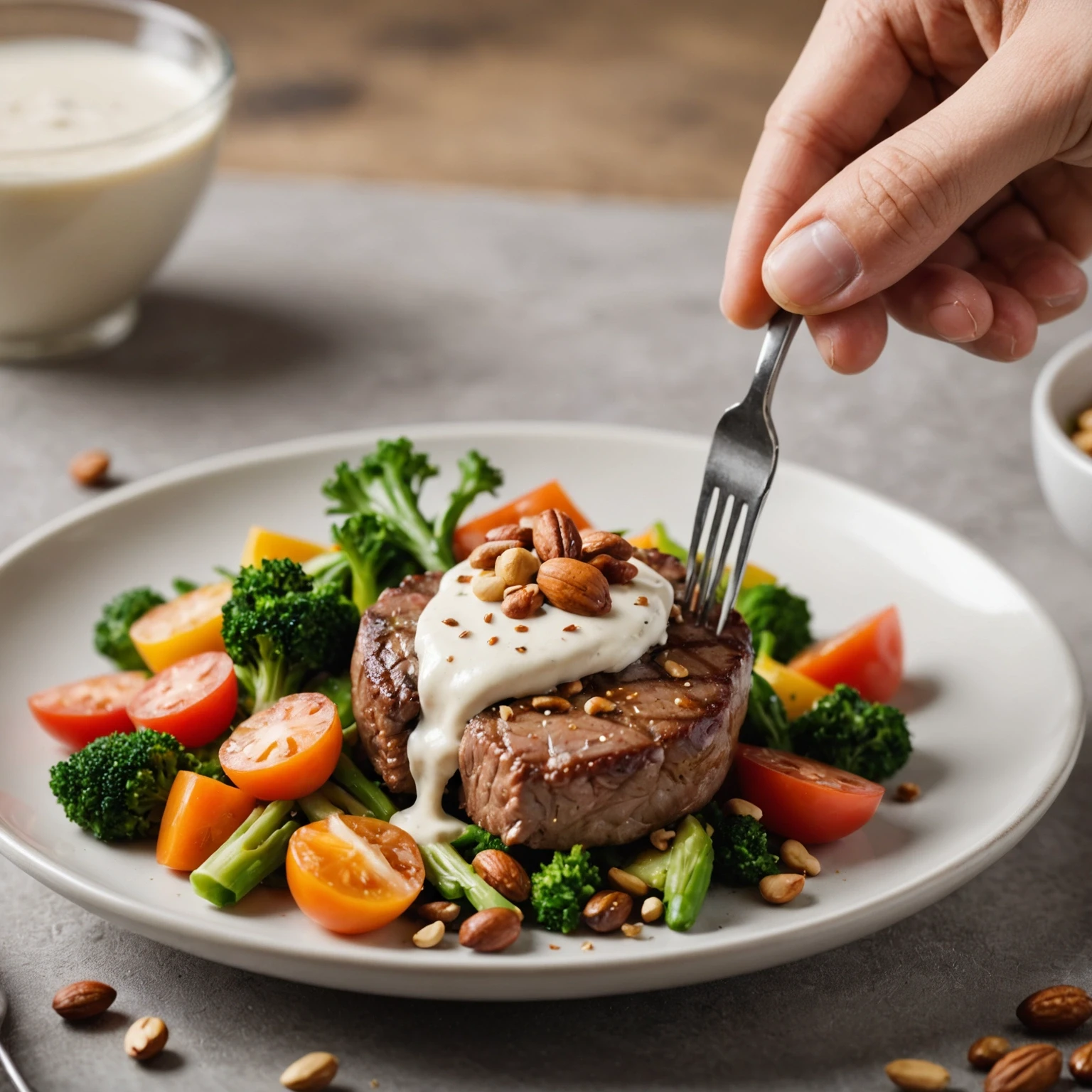
Texture’s Role in Satiety and Nutrient Absorption -------------------------------------------------- Beyond pleasure, texture impacts feelings of fullness and digestion. Fibrous, firmer foods—like fresh vegetables, nuts, and legumes—require greater mastication, slowing eating pace and promoting satiety. Conversely, creamy or moist textures offer balance, improving overall palatability and aiding nutrient bioavailability without compromising nutritional value. Intentional texture combinations can optimize both eating enjoyment and effective nutrient uptake.