Introduction
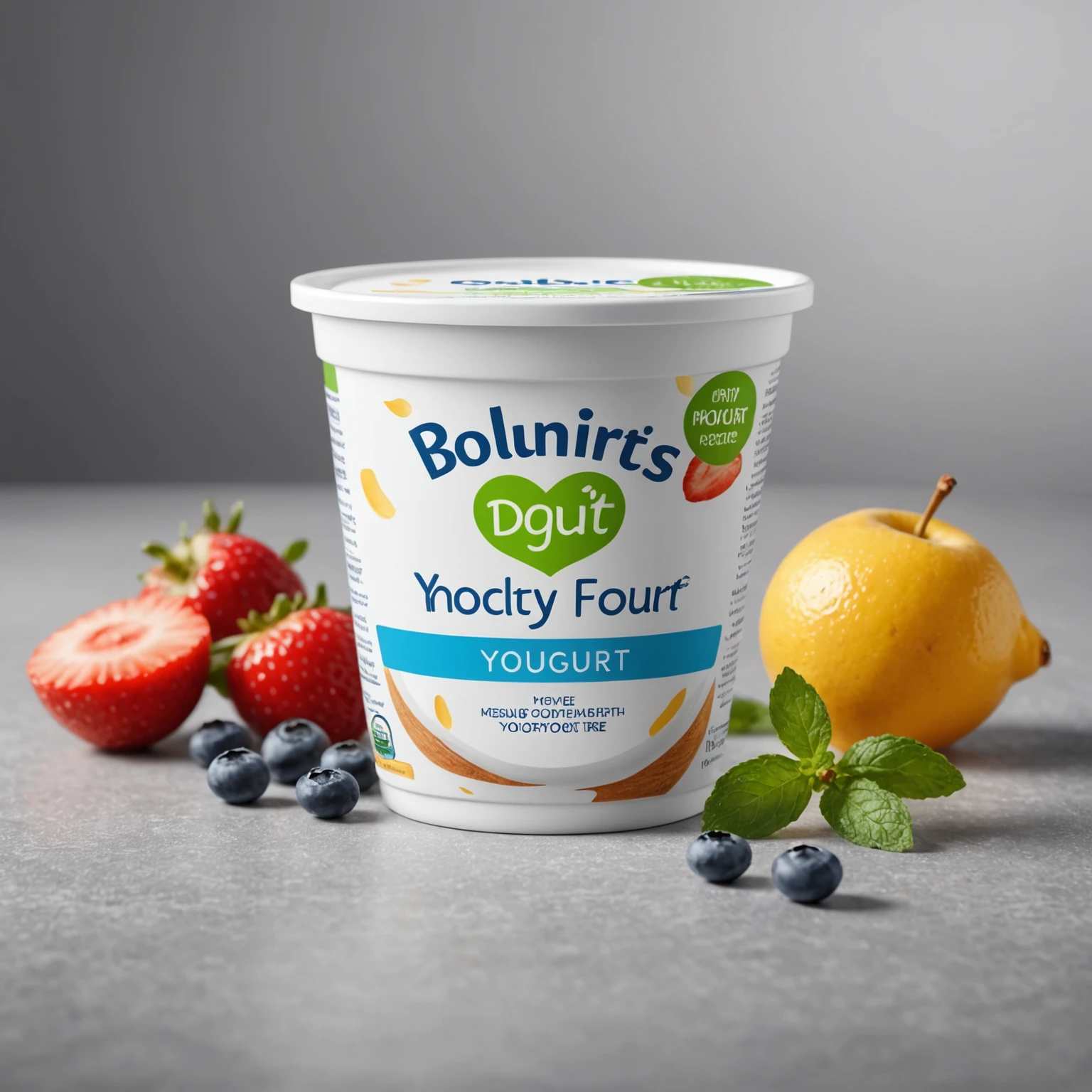
Dairy products—such as milk, yogurt, and cheese—are more than flavorful ingredients; they are nutrient-dense powerhouses essential for protein-rich meals that enhance muscle growth, recovery, and overall fitness. This article explores the science-backed nutritional benefits of dairy, practical approaches for integrating it into daily nutrition, and highlights recipe resources that complement active lifestyles and diverse diets.
Nutritional Advantages of Dairy in Muscle Support and Fitness
Dairy provides complete proteins containing all nine essential amino acids, vital for effective muscle repair and protein synthesis. In addition to high-quality protein, dairy delivers important micronutrients like calcium, vitamin D, and potassium that support bone health, muscle function, and metabolic processes. Research also identifies beneficial bioactive peptides in dairy which may aid recovery and reduce exercise-induced inflammation.
By strategically including dairy in meals, individuals can achieve sustained energy, improved satiety, and effective appetite regulation—factors that assist in weight management and endurance. From creamy Greek yogurt and cottage cheese to aged cheeses, dairy offers versatile forms adaptable to various cooking methods and taste preferences.
Practical Approaches to Incorporate Dairy into Your Diet
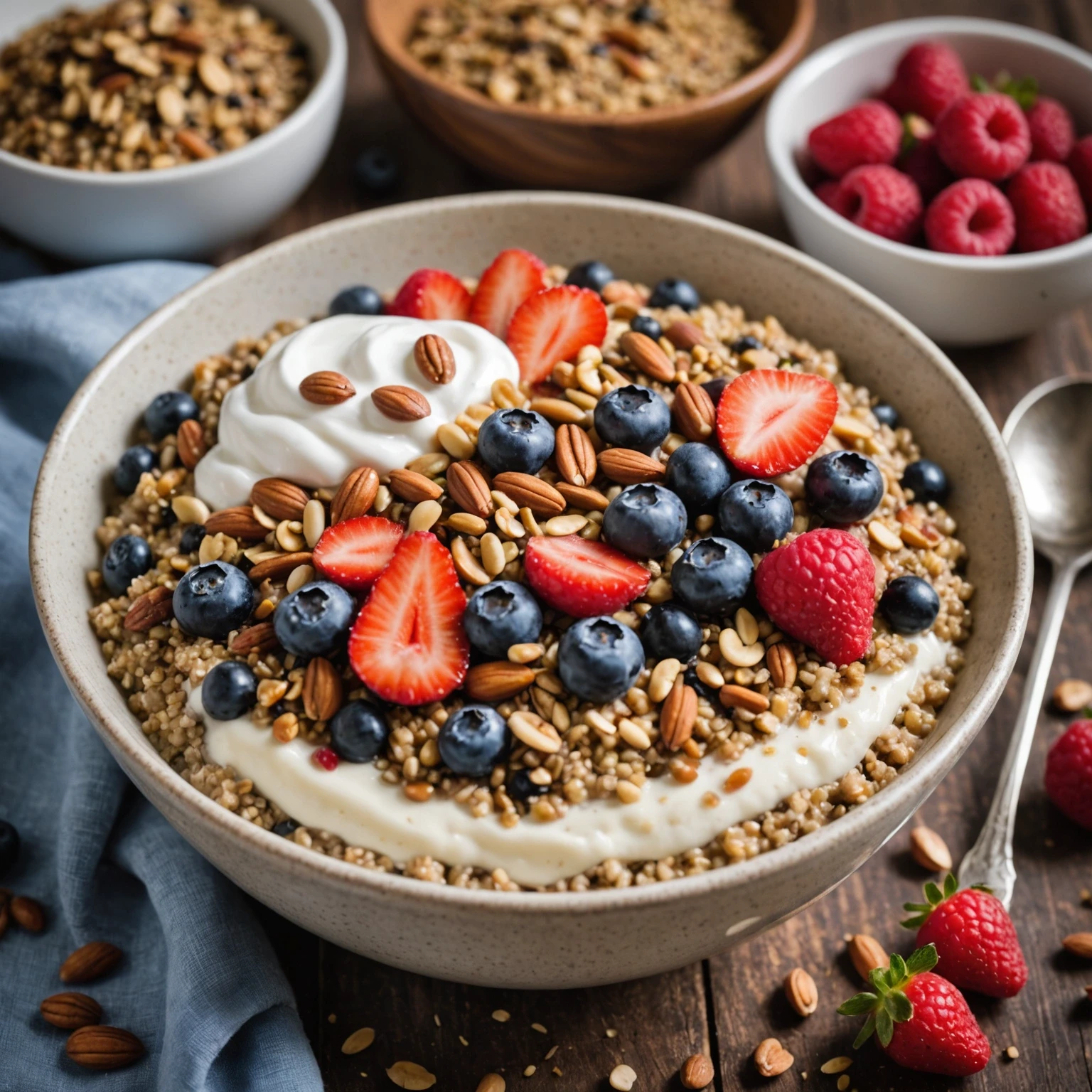
- Boosting Breakfast Nutrition: Blend Greek yogurt or cottage cheese into smoothies, oatmeal, or grain bowls for increased protein content and creamy texture. For example, the High-Fiber Lentil and Quinoa Porridge combines dairy with fiber-rich ingredients to provide a powerful start to the day.
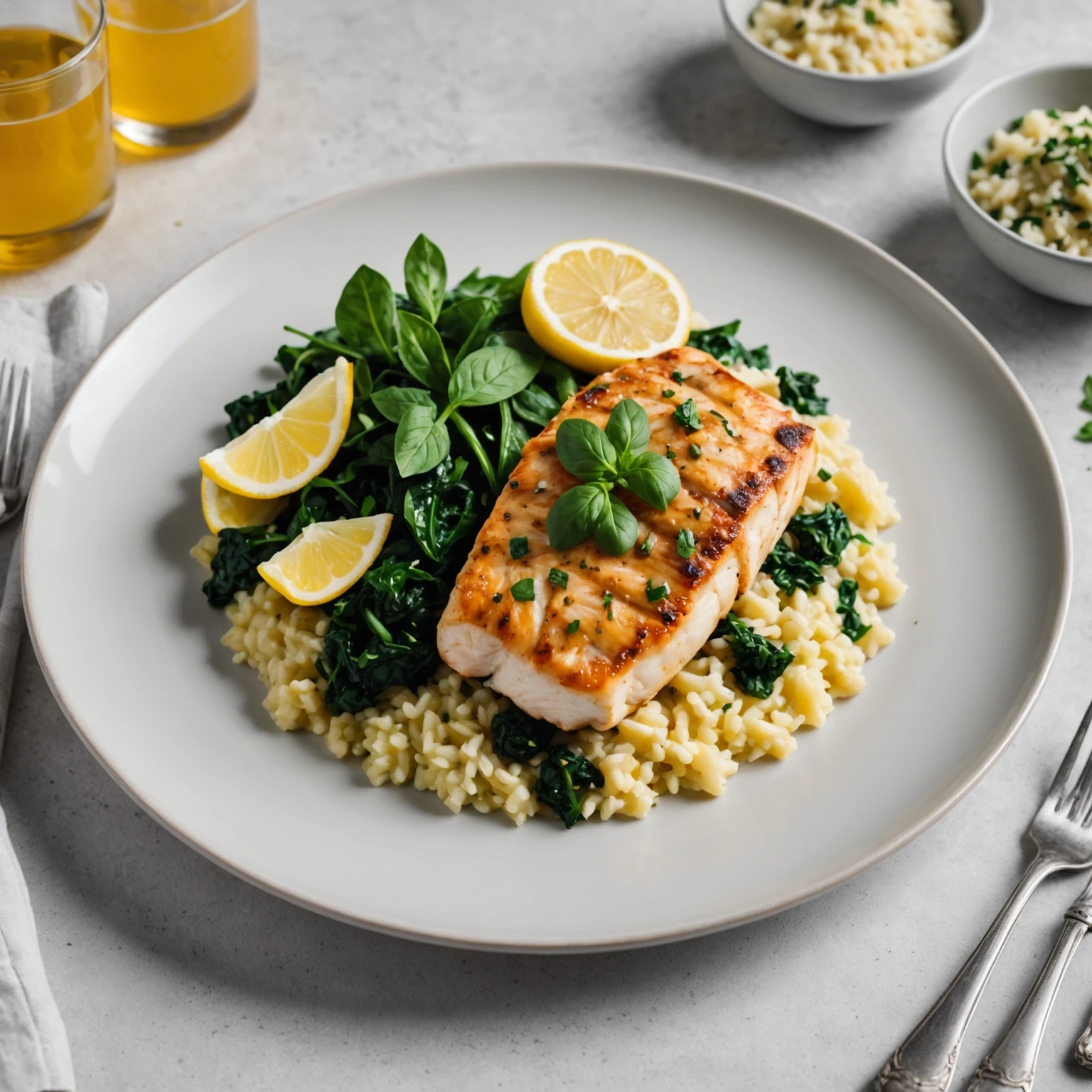
- Enhancing Main Dishes: Use dairy to enrich sauces, dips, or toppings that complement lean proteins and vegetables, adding creaminess and flavor without excessive calories. The Chicken Piccata with Spinach and Cauliflower Risotto is a great example of a practical, dairy-enriched entrée designed for muscle nourishment.
- Protein-Dense Snacks and Sides: Prepare dairy-infused snacks like cheese and herb scones or savory muffins to create convenient, protein-packed options. The practical Savory Cheese and Herb Scones offer a practical, flavorful snack aligned with practical or practical dietary goals.
- Tailoring for Dietary Preferences: Dairy-based meals are flexible and can be adapted for gluten-free, practical, or practical diets without compromising nutrition or flavor.

Dairy's Influence on Digestion and Fullness
Dairy's blend of protein and fat slows digestion, promoting prolonged satiety and appetite control—key for managing calorie intake effectively. Calcium and dairy-derived compounds may further contribute to weight regulation. Fermented dairy products like yogurt and aged cheeses offer probiotics, supporting gut health and improving digestion, particularly beneficial for those with lactose intolerance.
Choosing Quality Dairy for Health and Sustainability
Selecting minimally processed, whole-food dairy products—preferably from grass-fed or organic sources—can provide enhanced levels of beneficial fatty acids such as omega-3s and conjugated linoleic acid (CLA). These components are linked to cardiovascular and metabolic health benefits. Prioritizing quality dairy also promotes more sustainable agriculture practices and food systems.
Featured Recipes to Inspire Nutrient-Rich Meal Planning
Incorporate these fitness-focused dairy recipes to apply the concepts discussed:
- Chicken Piccata with Spinach and Cauliflower Risotto: A gluten-free entrée enriched with dairy for a rich, protein-dense dish.
- High-Fiber Lentil and Quinoa Porridge: A nutrient-packed breakfast combining dairy with fiber and plant proteins.
- Gluten-Free Sweet Potato and Almond Breakfast Bars: Portable bars combining dairy for sustained energy and protein.
- practical Savory Cheese and Herb Scones: Flavorful, nutrient-dense snacks perfect for practical and practical diets.
Conclusion
Dairy is a foundational component for crafting satisfying, high-protein meals that bolster muscle recovery and overall wellness. By thoughtfully incorporating dairy into practical diets, individuals can enjoy diverse, flavorful dishes that support active lifestyles and fitness goals. Leveraging dairy's unique nutritional profile—from delivering complete proteins and micronutrients to enhancing taste and texture—helps sustain both performance and enjoyment in everyday nutrition.
Experiment with combining high-quality dairy with whole, nutrient-dense ingredients to create versatile meals that energize, nourish, and satisfy your body daily.