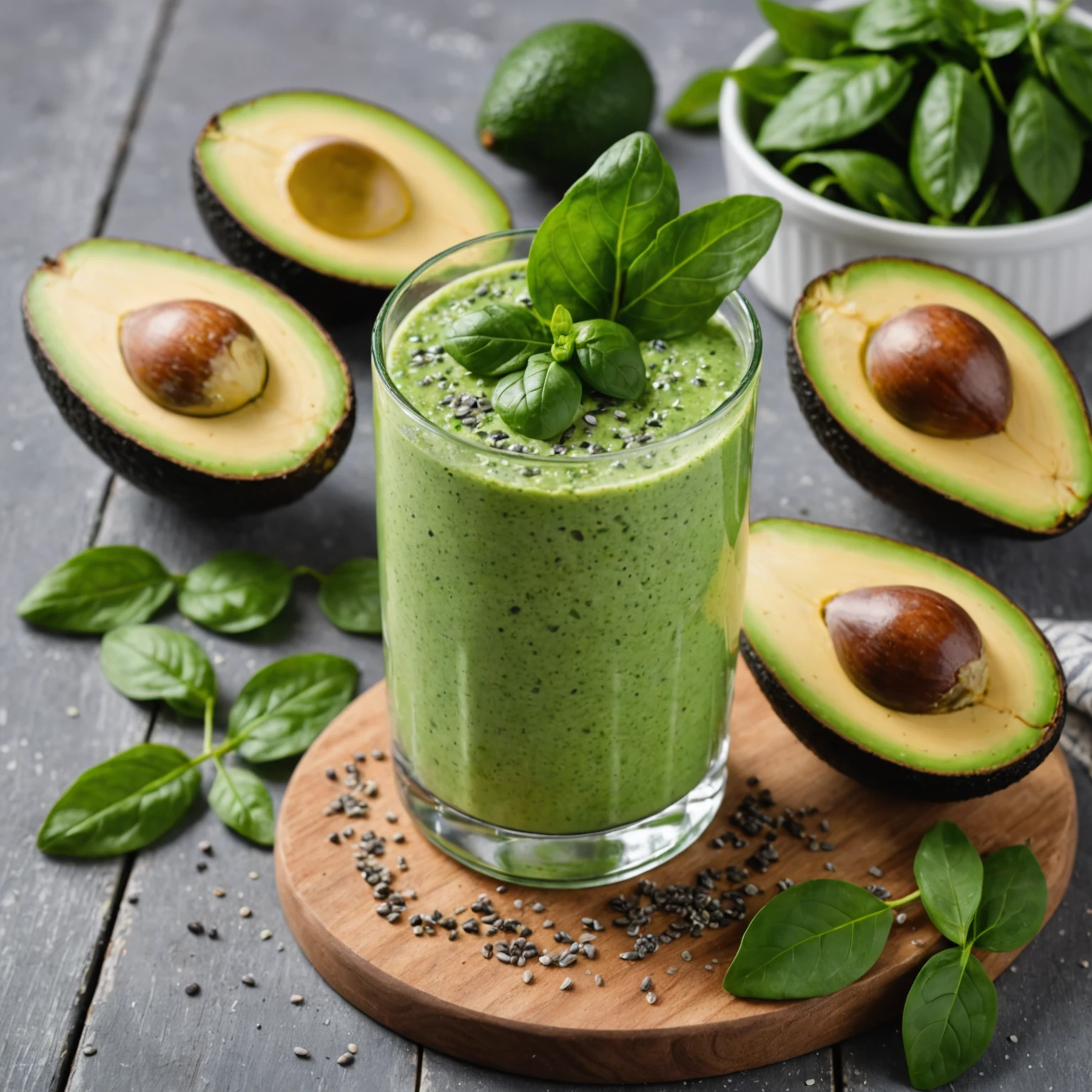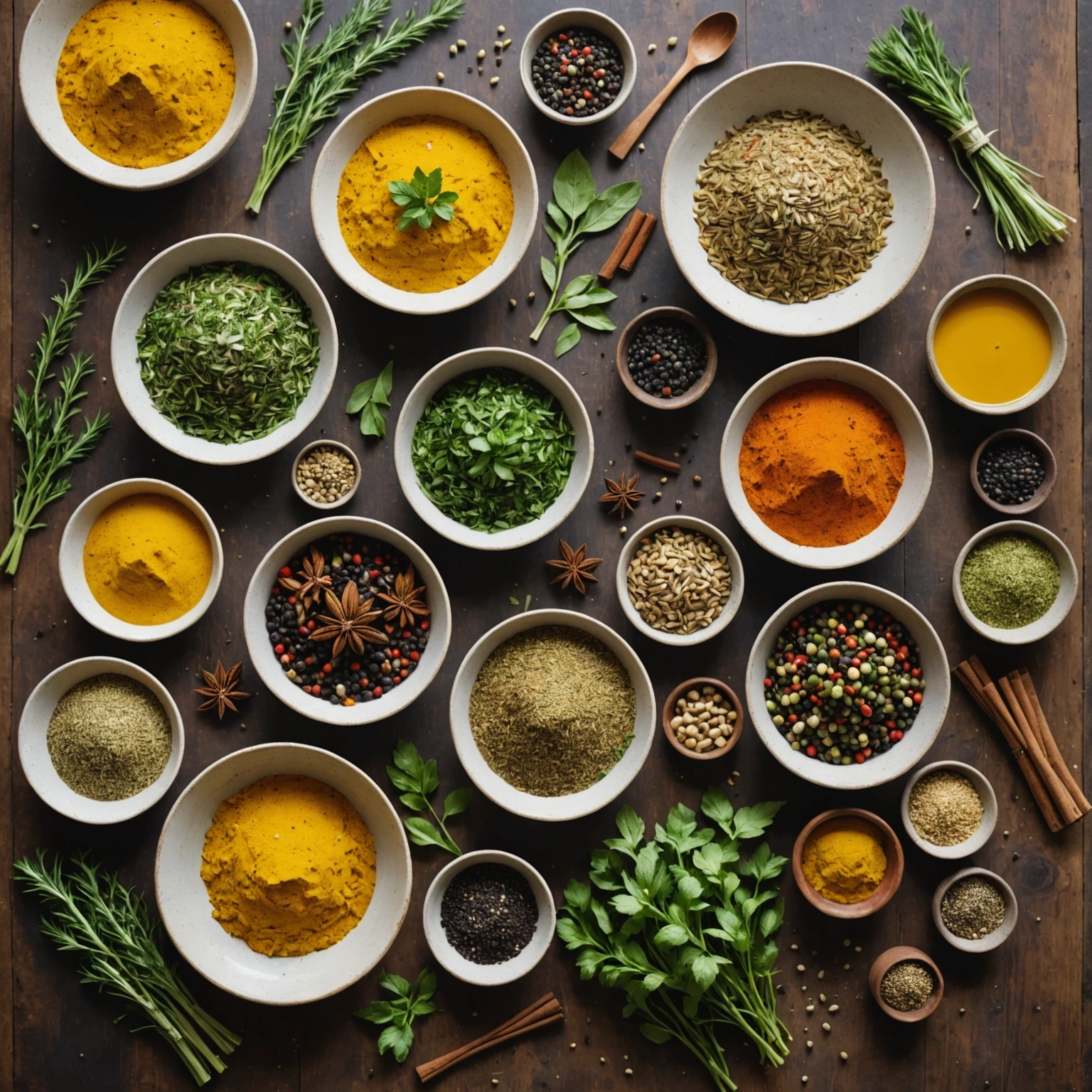
While macronutrients like proteins and carbohydrates often take center stage in nutrition, culinary herbs and spices deliver important digestive and nutrient absorption benefits that frequently go unnoticed. By harnessing their natural bioactive compounds, these ingredients support digestive enzyme activity, promote gut comfort, and improve how effectively nutrients are absorbed, enhancing overall nutritional status.
How Culinary Herbs and Spices Promote Digestive Health

practical wisdom and modern science both recognize the digestive advantages of key herbs and spices. Their bioactive constituents contribute to stimulating digestive secretions, soothing the gastrointestinal tract, and balancing the gut microbiome. Noteworthy examples include:
- Ginger: Contains gingerols that stimulate saliva, bile, and gastric juices, facilitating smoother digestion and relieving nausea.
- Turmeric: Its curcumin content offers effects that maintain the gastrointestinal lining’s health.
- Fennel Seeds: Help relax intestinal muscles, easing gas buildup and abdominal cramping.
- Peppermint: Acts as a muscle relaxant in the digestive tract, reducing indigestion and discomfort.
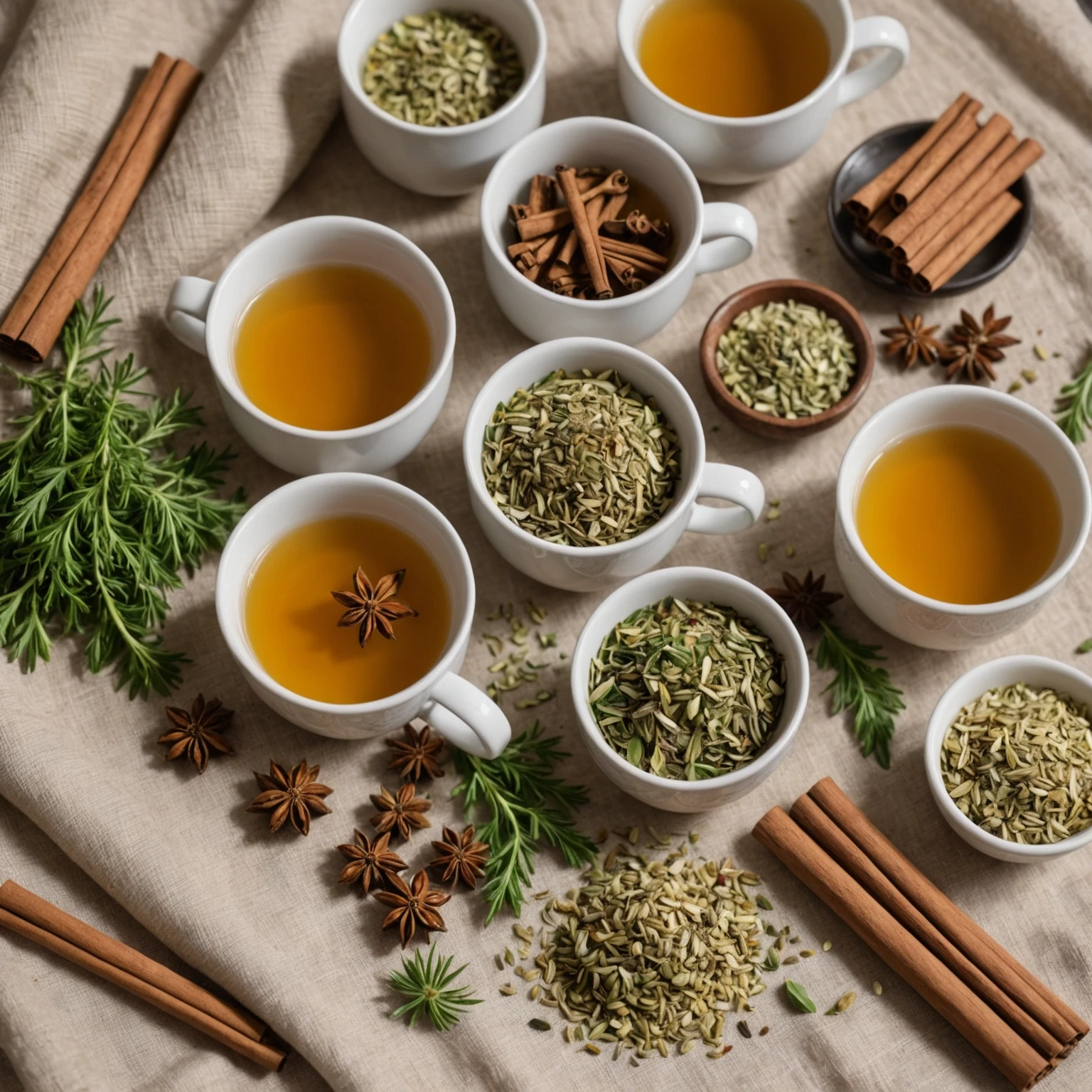
Regular inclusion of these herbs and spices in your meals can help optimize digestion, enabling your body to process and utilize nutrients more efficiently.
Enhancing Nutrient Absorption Through Strategic Herb and Spice Use
Optimal nutrient bioavailability depends on both digestive efficiency and intestinal environment. Certain herbs and spices actively support these conditions:
- Black Pepper: Piperine, its active compound, significantly increases the absorption of curcumin in turmeric—by as much as 2000%—when combined.
- Cinnamon: Helps regulate blood glucose levels post-meal, positively impacting nutrient metabolism.
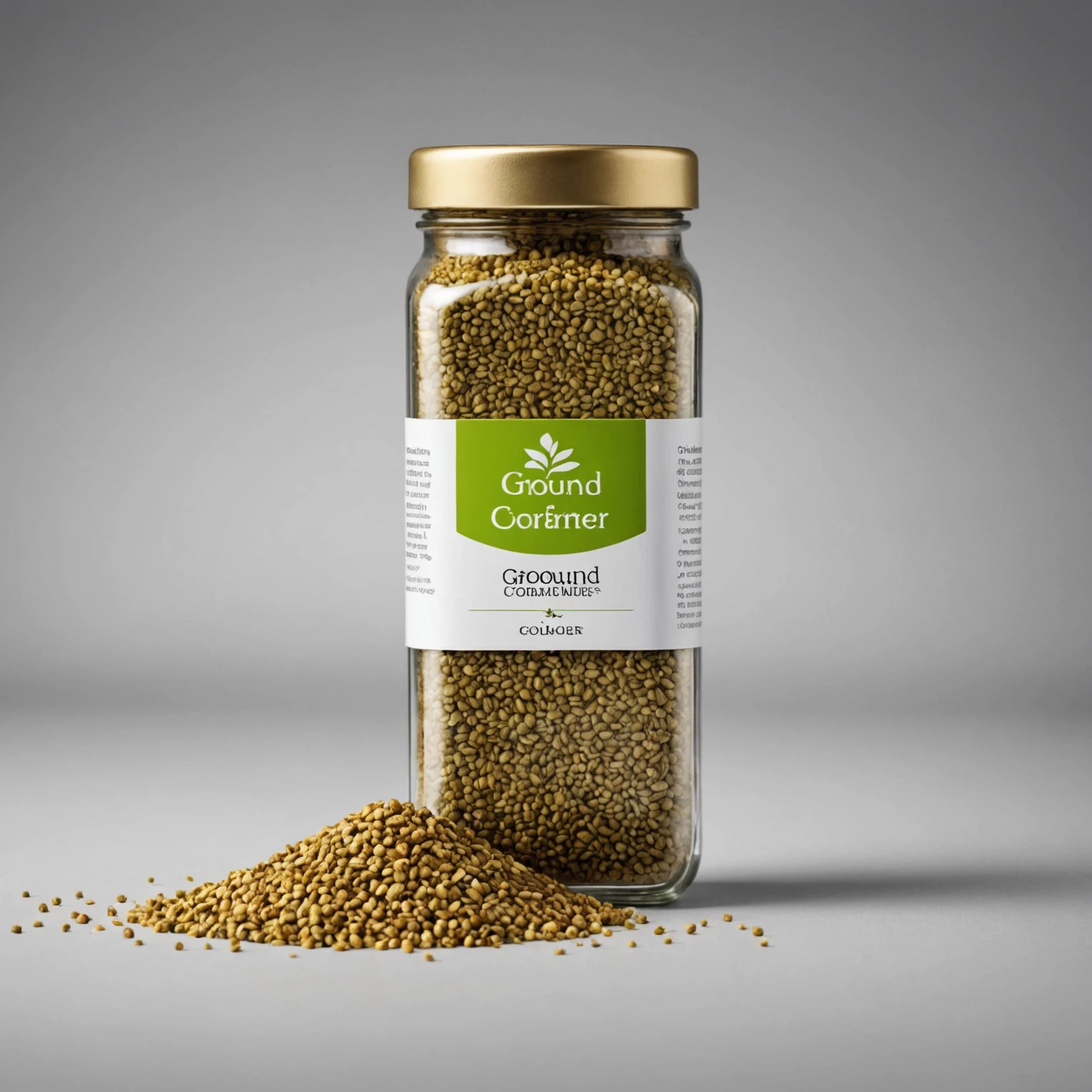
- Coriander: Stimulates digestive secretions, improving mineral absorption.
Incorporating these botanicals strategically maximizes the nutritional impact of meals, which is especially useful for individuals focused on athletic performance, muscle recovery, and overall vitality.
Practical Tips for Integrating Digestive-Enhancing Herbs and Spices
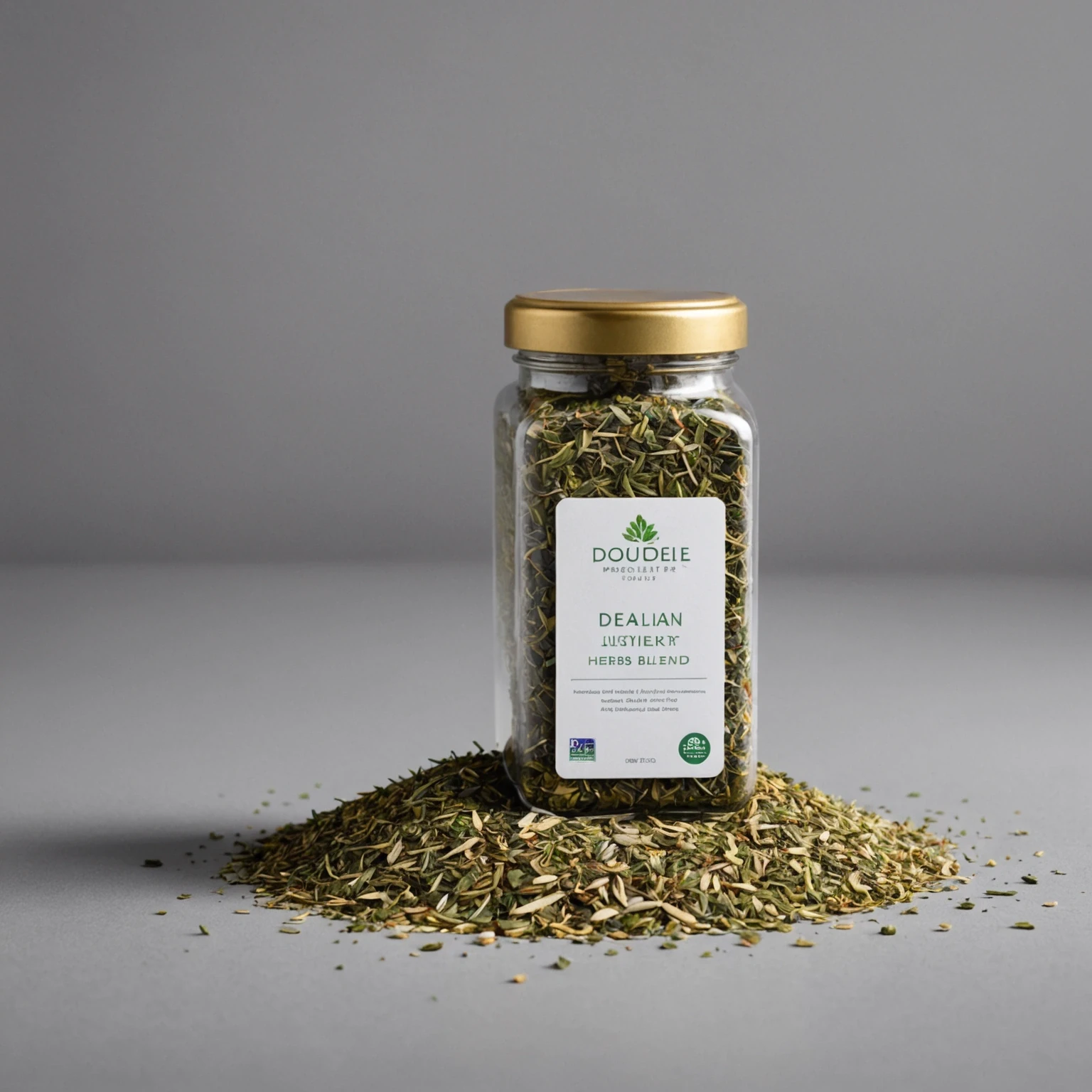
- Add fresh or dried herbs like rosemary, basil, and thyme for digestive support along with antioxidants.
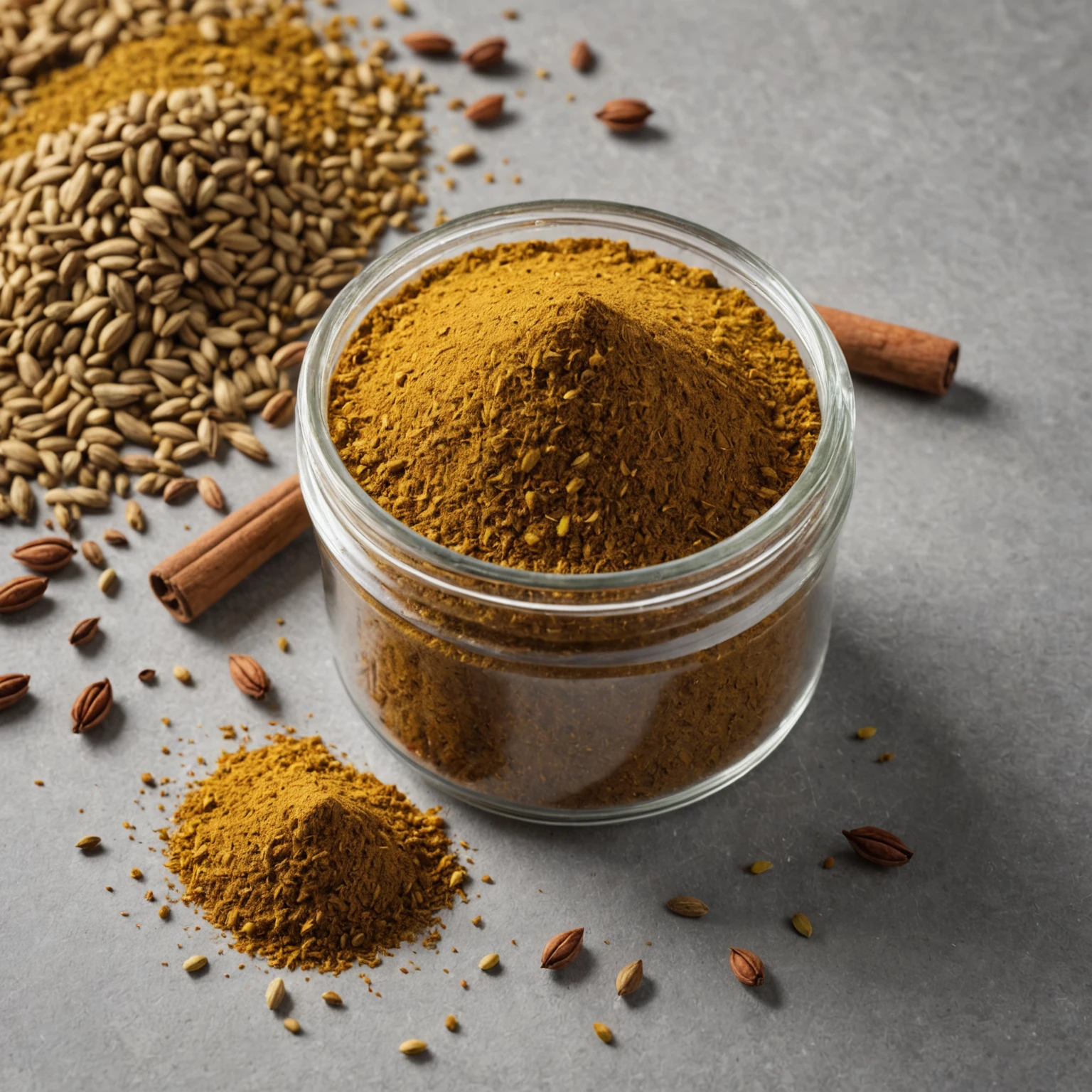
- Use ground spices such as cumin, turmeric, and ginger in savory dishes to take advantage of their digestive properties.
- Combine spices thoughtfully, for example, pairing turmeric with black pepper to boost curcumin absorption.
- Drink herbal teas like chamomile, peppermint, or ginger after meals to naturally soothe digestion.
Complementary Recipe Suggestions for Nutrient-Rich, Digestion-Friendly Meals
Explore recipes that highlight the use of herbs and spices to enhance nutrition and digestion:
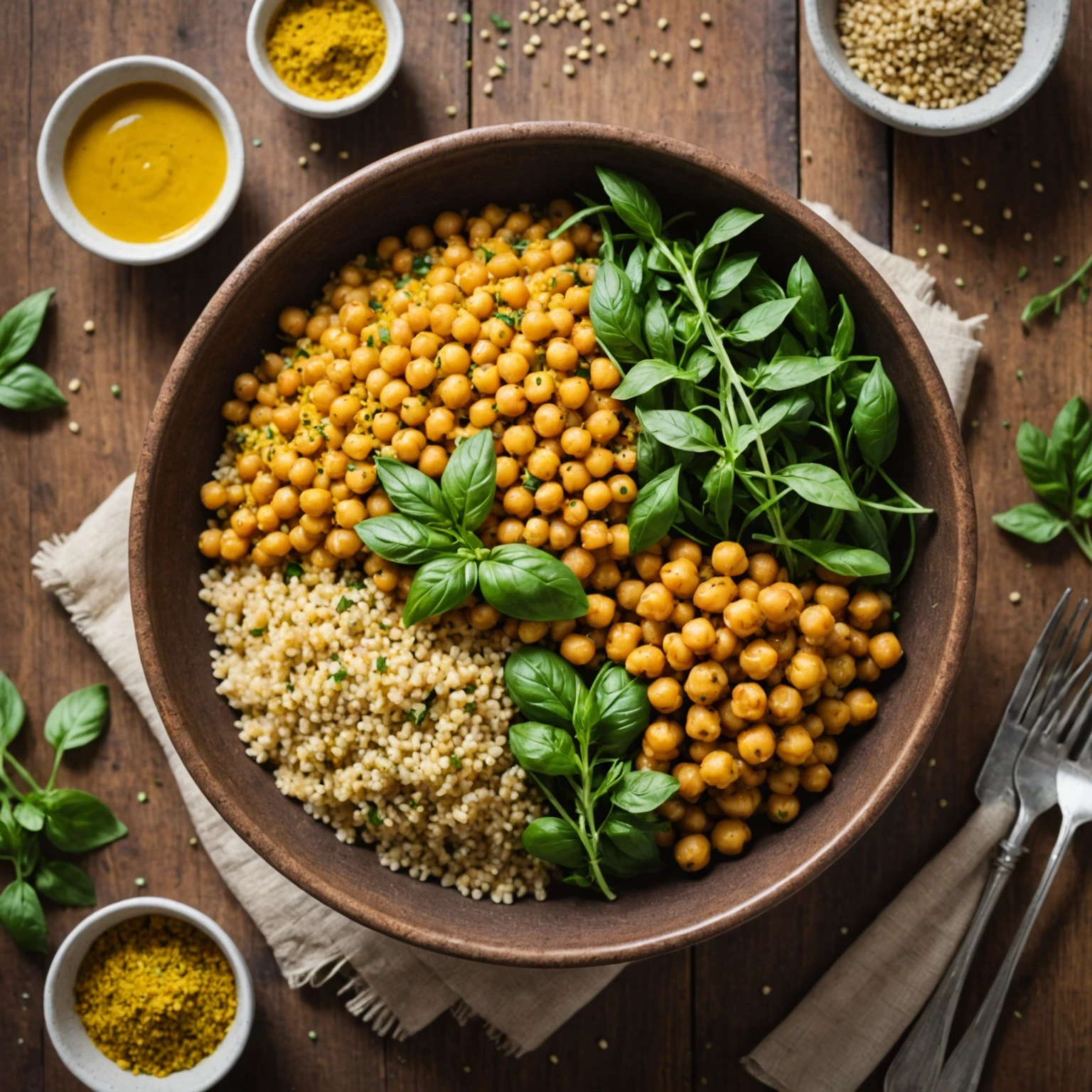
- The Spicy Chickpea and Quinoa Power Bowl blends Mediterranean spices with nutrient-dense ingredients for a digestion-supportive meal.
- The Moroccan Spiced Lentil and Carrot Tagine features warming spices that promote gut health and nutrient uptake.
Conclusion
Culinary herbs and spices are powerful allies in promoting digestive health and improving nutrient bioavailability. Beyond their ability to enhance flavor, these natural ingredients contribute functional benefits that can elevate your overall nutritional well-being. Embracing their regular use fosters a more digestively efficient and nutrient-optimized diet that supports sustained energy and wellness.
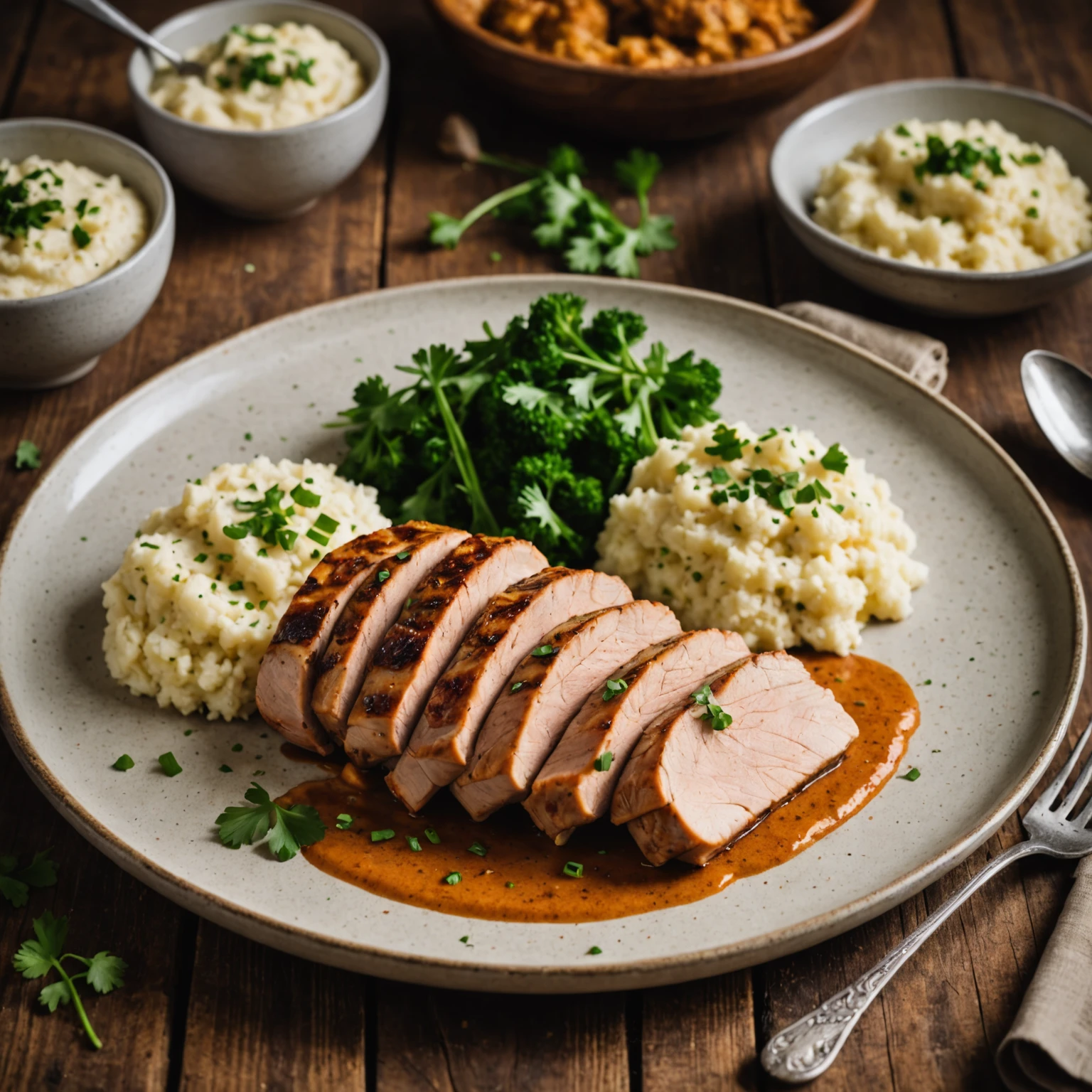
For a spice-forward meal that shows how seasoning can shape both flavor and satisfaction, try Spiced Moroccan Lamb Tagine with Apricots and Almonds. Warm spices, herbs, and sweet-savory accents make the high-protein dish feel layered without relying on heavy sauces.