Maintaining a practical diet often challenges individuals due to the monotony of repetitive, bland meals. Whether for athletes, fitness enthusiasts, or health-conscious individuals, the lack of flavor variety can diminish meal enjoyment and weaken adherence to dietary goals. Integrating diverse and dynamic flavor profiles into practical meals serves as a powerful method to elevate meal satisfaction and sustain consistent practical eating practices.
The Influence of Flavor Variety on Eating Satisfaction and Dietary Adherence
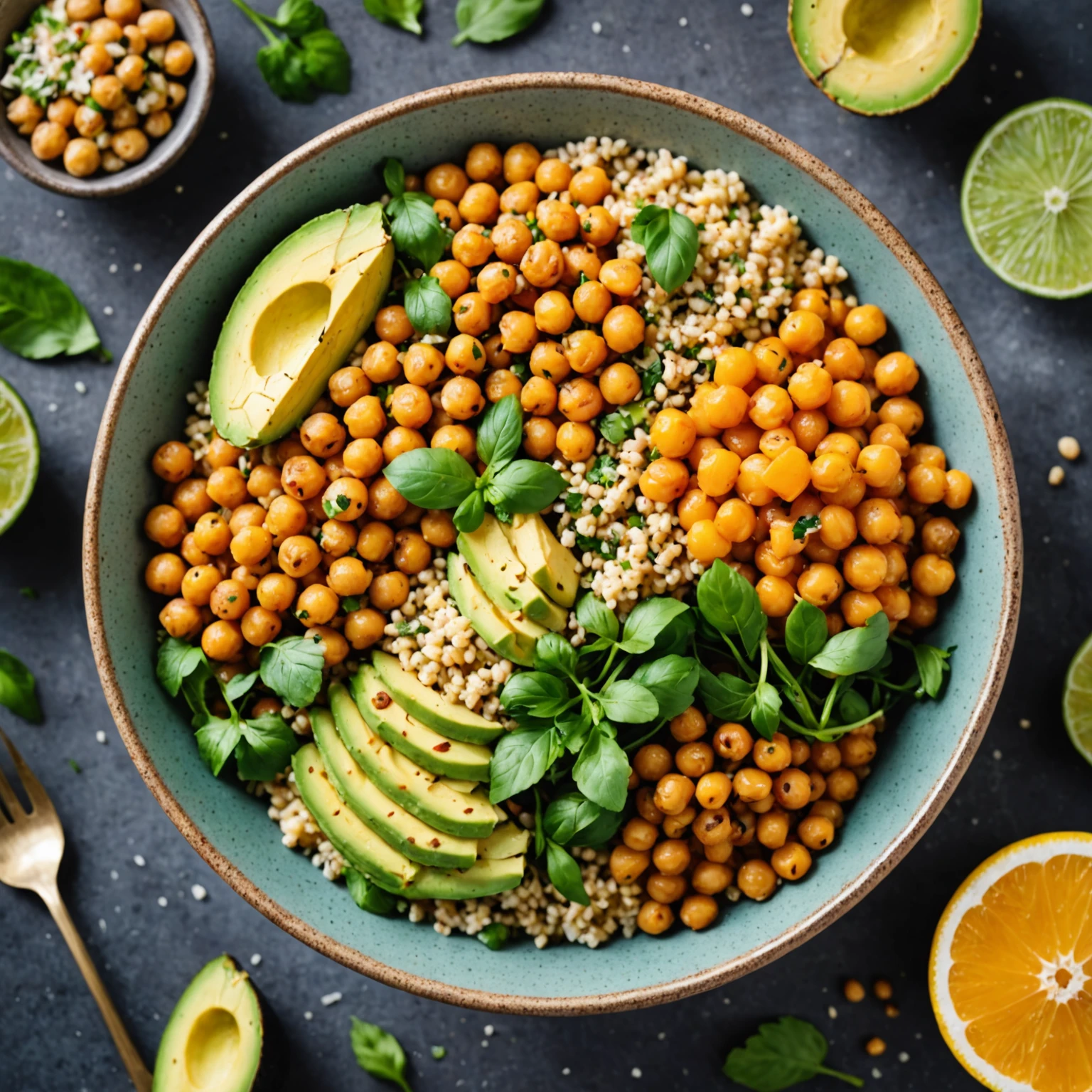
Human taste perception thrives on a practical interplay of salty, sweet, sour, bitter, and umami sensations that create rich and pleasurable eating experiences. Meals lacking in diverse and well-rounded flavor components may feel unsatisfying, even if they meet nutritional requirements, reducing motivation for continued practical eating. This sensory deficit can disrupt appetite regulation and increase the likelihood of turning to less practical, highly palatable foods.
Psychologically, flavorful meals strengthen positive associations with practical foods, reinforcing long-term dietary adherence. In contrast, monotonous meal flavors may decrease enthusiasm for practical eating and encourage lapses.
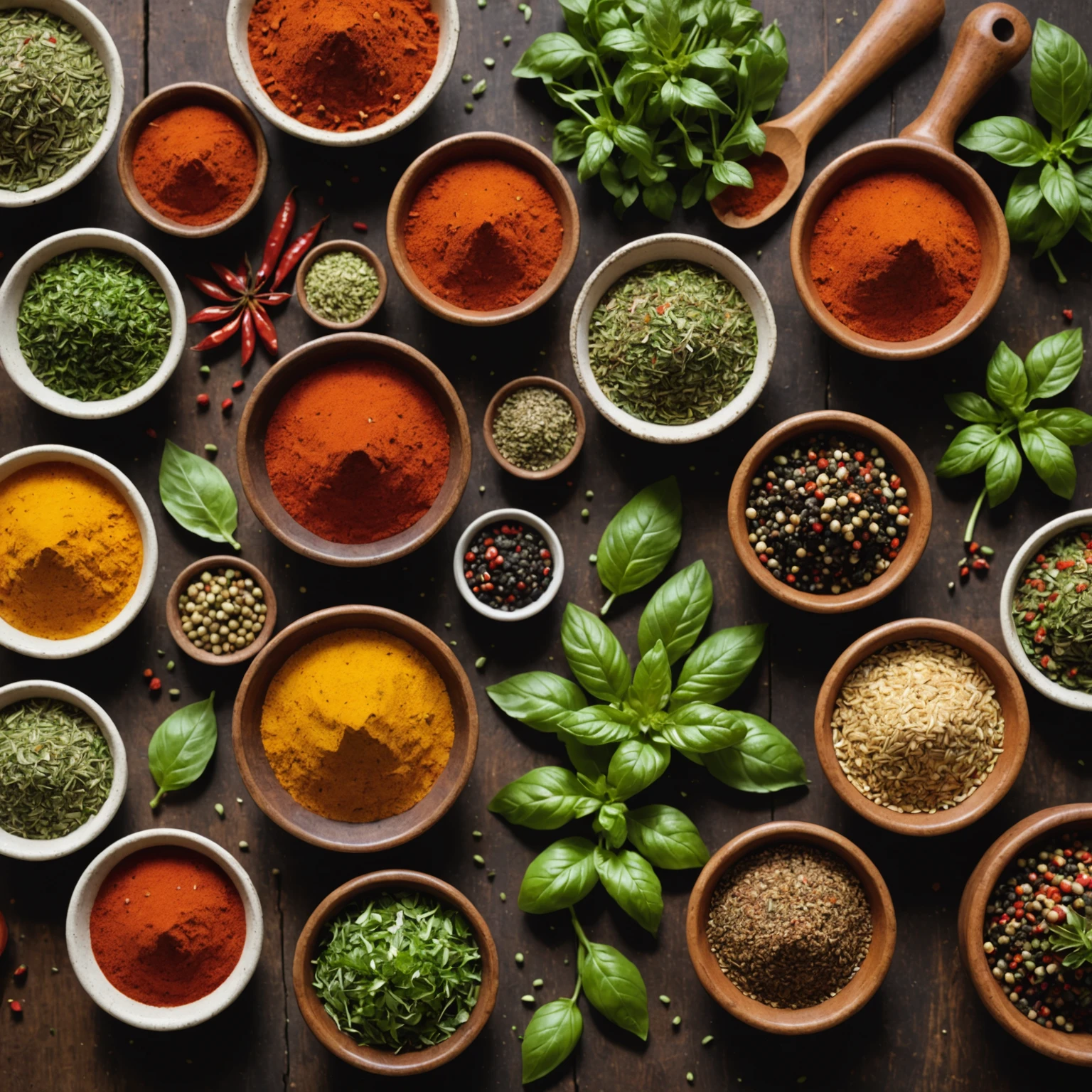
Enhancing practical Meals with Spices and Fresh Herbs
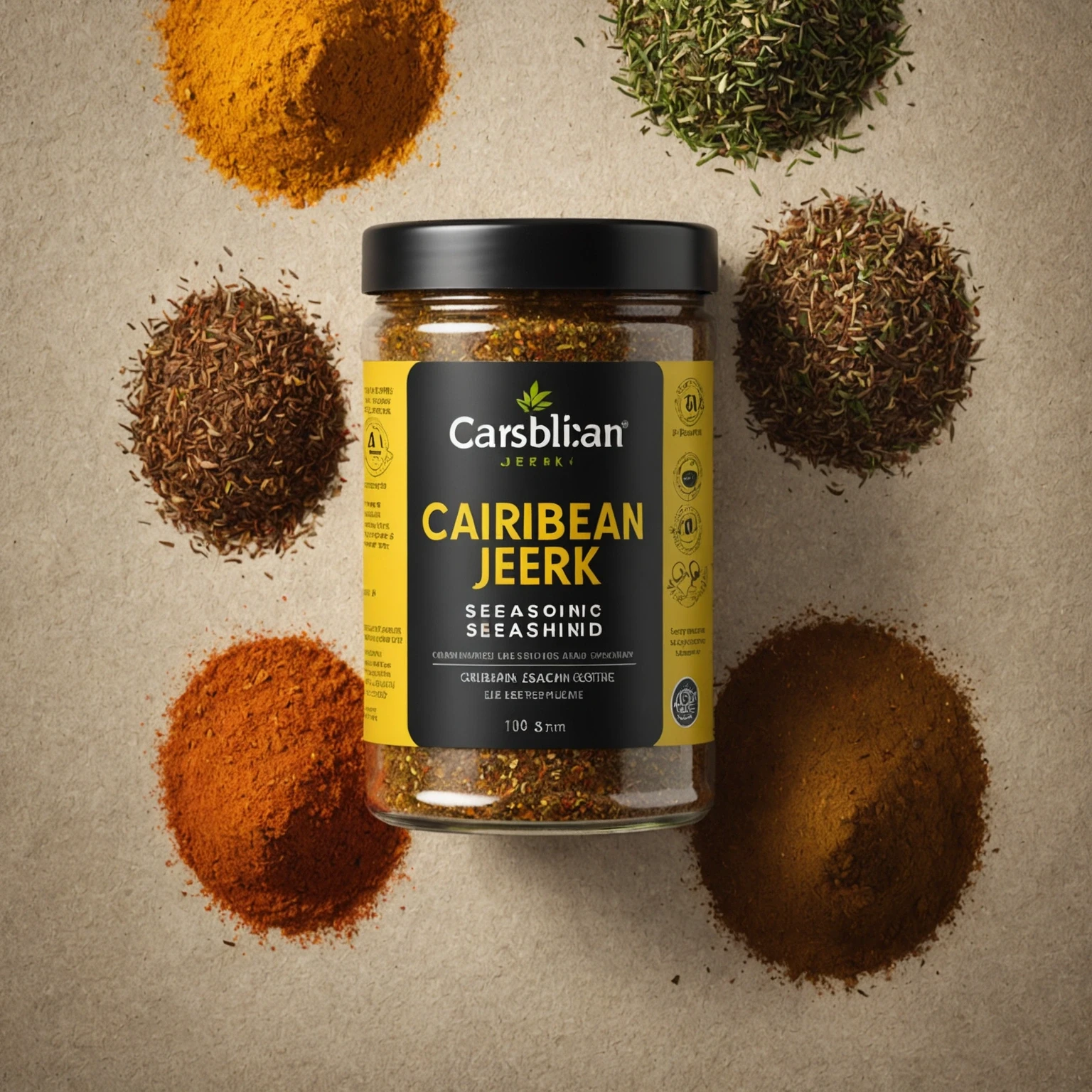
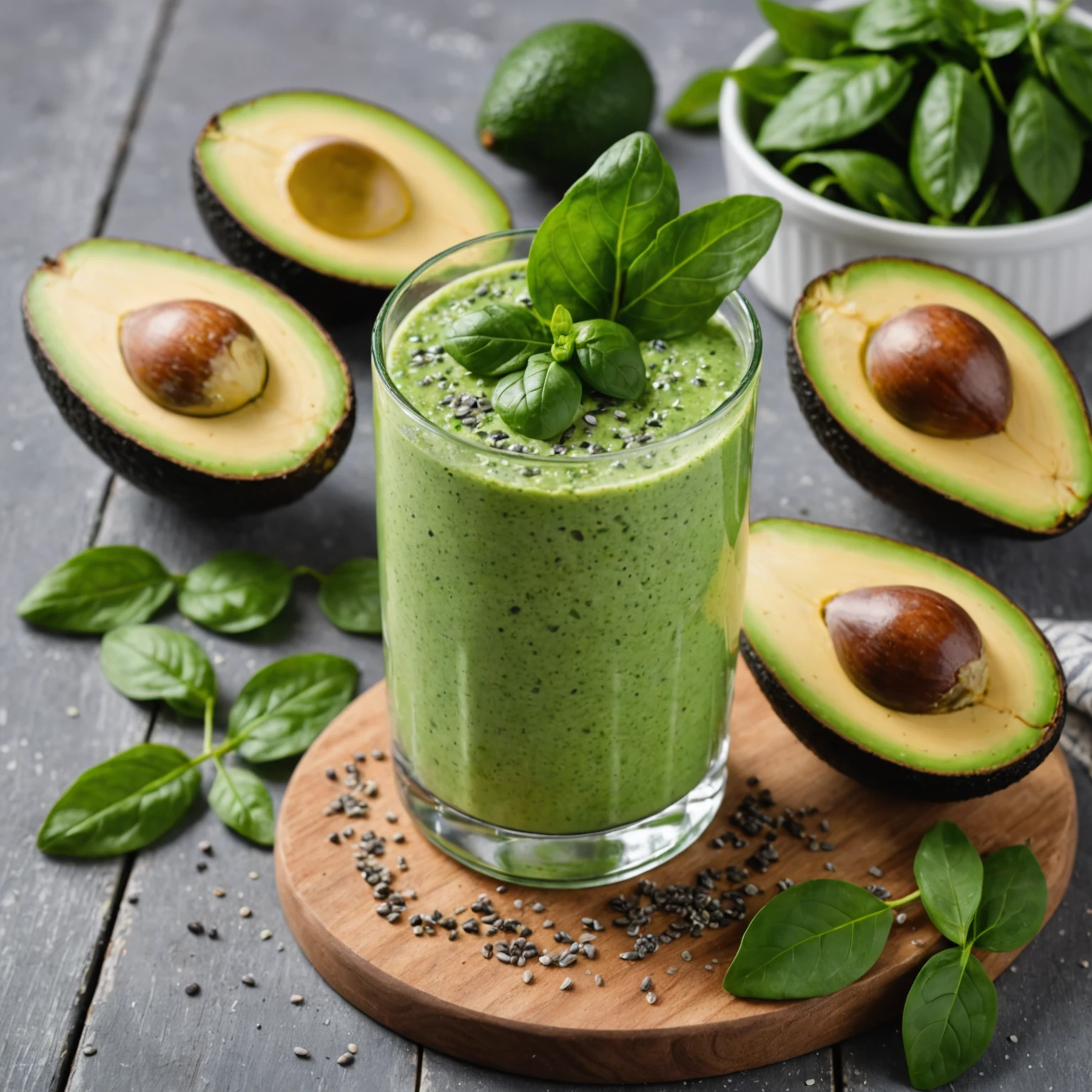
Introducing a wide array of spices and fresh herbs elevates basic ingredients into flavorful, aromatic dishes with complexity. Seasonings such as cumin, smoked paprika, chili flakes, garlic, and ginger, combined with fresh herbs like cilantro, basil, and mint, inject vibrant and memorable notes without adding calories or artificial additives.
Skillful seasoning—for example, blending the brightness of citrus zest with warm spices or counterbalancing smoky flavors with fresh herbs—creates harmonious flavor profiles that amplify meal enjoyment. Beyond taste, many spices possess antioxidant and properties that complement the health benefits of nutrient-dense meals.
The Critical Role of Texture and Temperature in Flavor Perception
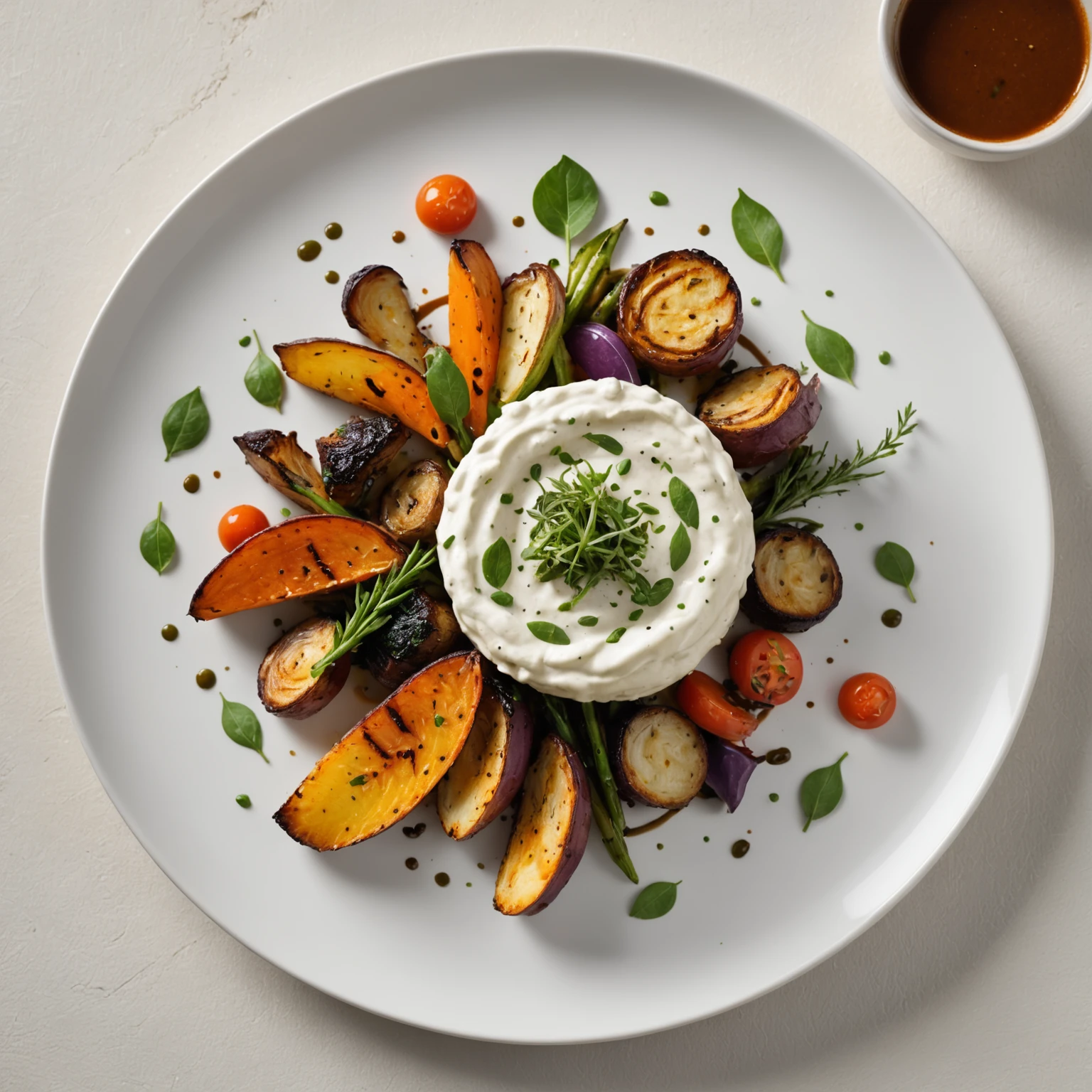
Flavor satisfaction transcends taste alone; texture and temperature contrasts greatly influence overall meal enjoyment. Incorporating a variety of textures—crisp, creamy, crunchy, tender—and combining warm and cool elements engage the palate dynamically.
For example, pairing the crispy texture of roasted vegetables with tender proteins and a refreshing cool herb sauce maintains interest and elevates simple ingredients into a gratifying culinary experience.
Practical Approaches to Boost Flavor While Maintaining Nutrition
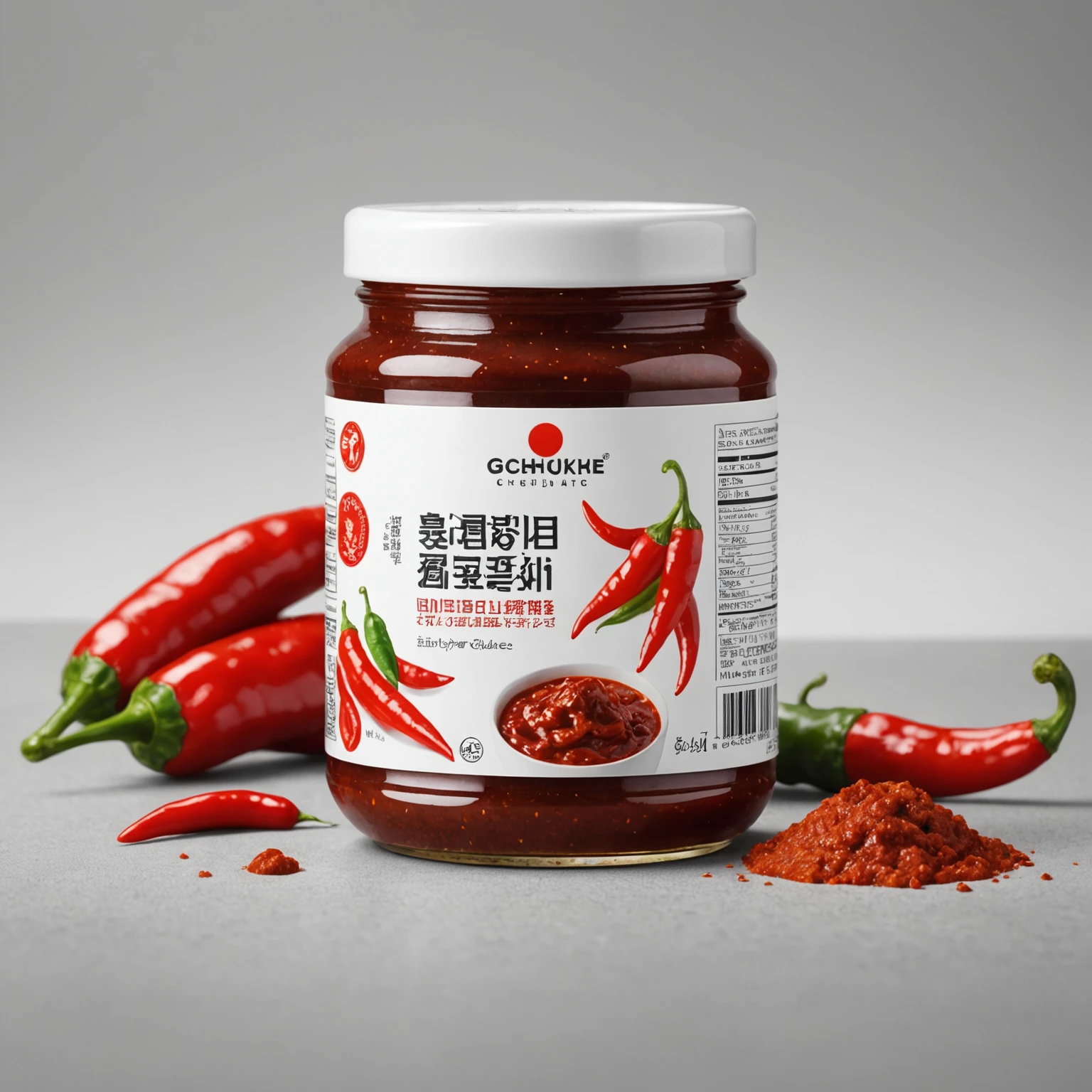
- Experiment with global spice blends such as Moroccan ras el hanout, Indian garam masala, or Korean gochujang to explore new flavor dimensions.
- Use fresh herbs generously to infuse brightness and subtle aromatic complexity.
- Balance acidity from lemon juice or vinegar with natural sweetness from fruits or honey to create nuanced dressings and marinades.
- Combine temperature contrasts by serving hot cooked foods alongside cool, fresh garnishes.
- Mix textures by pairing crunchy nuts or seeds with silky purees or creamy elements to enrich mouthfeel.
Examples of Flavorful, Nutrient-Rich Meal Inspirations
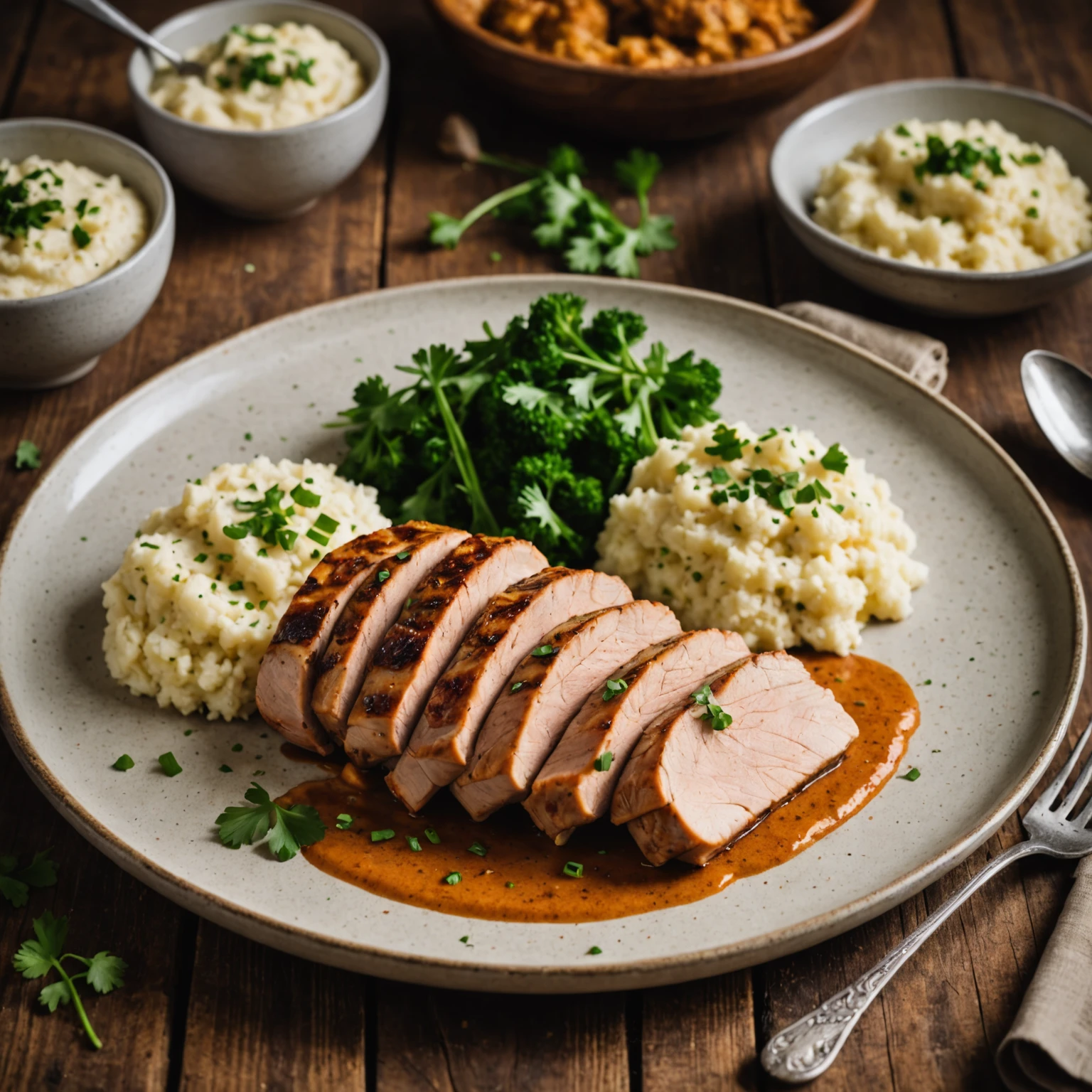
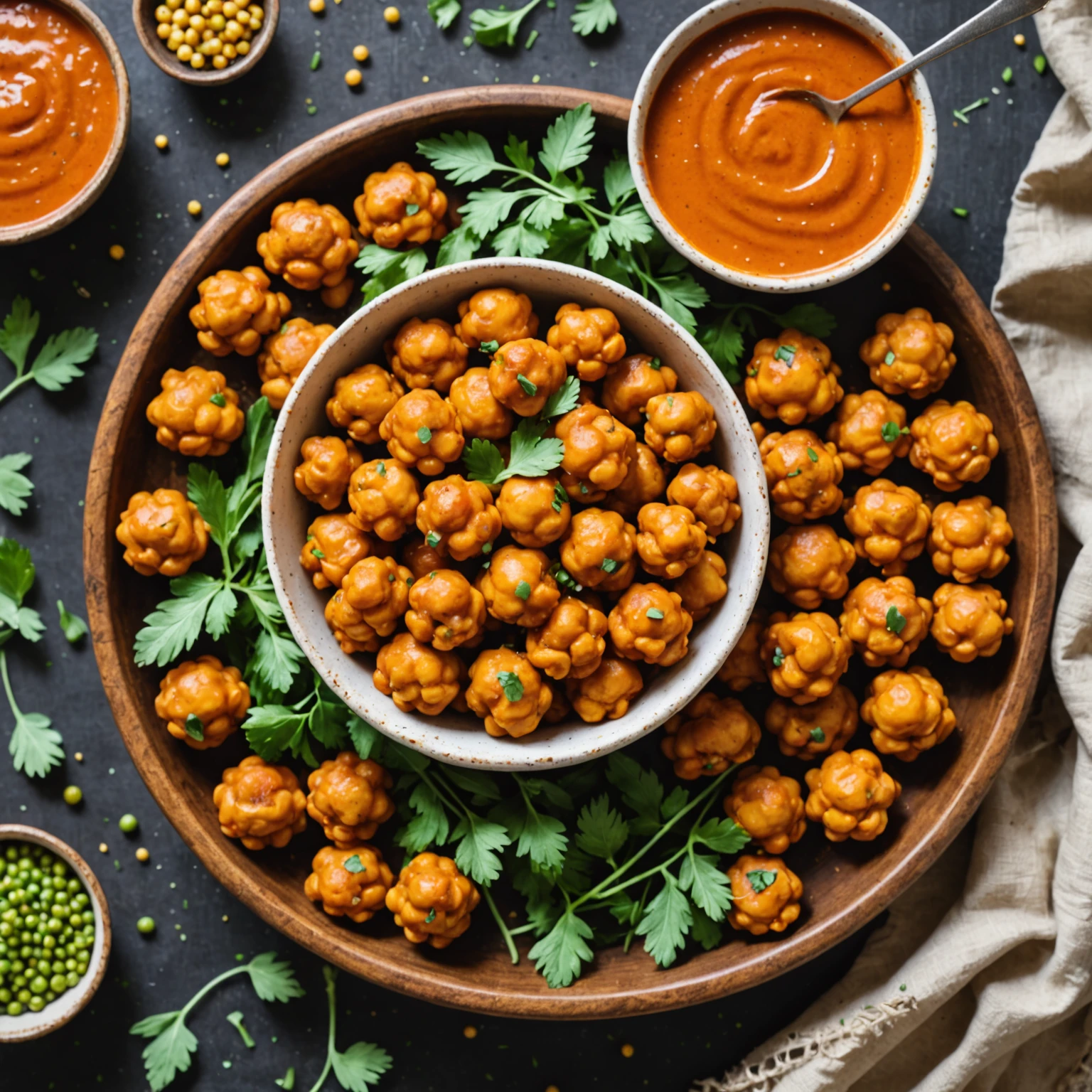
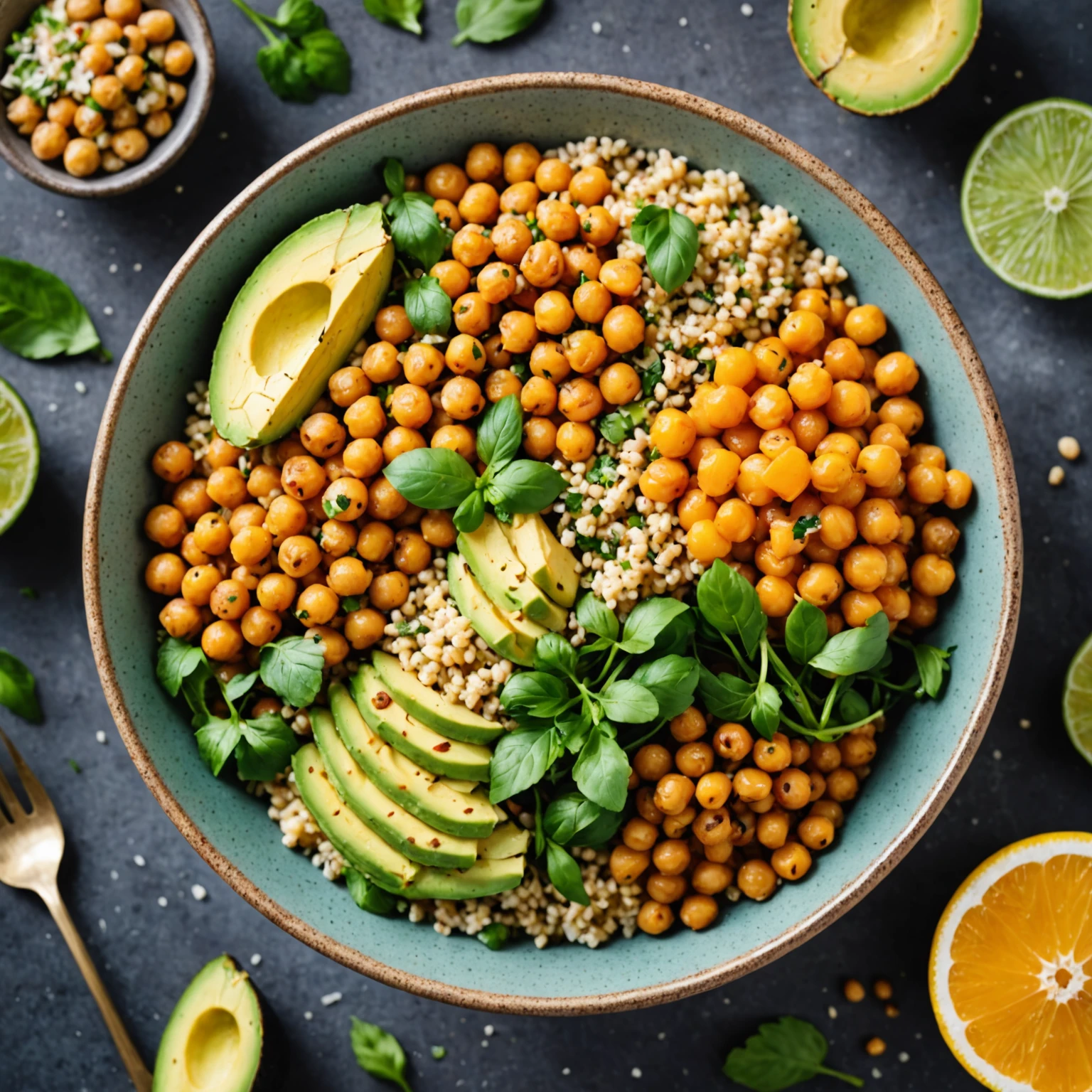
To observe these principles in practice, explore recipes featuring bold flavor profiles paired with wholesome ingredients, such as the Spicy Chickpea and Quinoa Power Bowl, highlighting Mediterranean spices and fresh vegetables. Another great example is the practical Spicy Caribbean Jerk Chicken with Mango Salsa, which combines heat and sweetness in a nutrient-dense meal.
Conclusion
Embracing a variety of complex flavor profiles transforms practical eating from a repetitive routine into an engaging and enjoyable experience. By integrating diverse herbs, spices, textures, and temperature contrasts, you can boost meal satisfaction, reinforce consistent practical habits, and support long-term wellness with enthusiasm and pleasure.
For a high-protein dish that uses contrast to keep meals interesting, try Orange Ginger Glazed Pork Meatballs with Asian Slaw. The sweet citrus glaze, warm ginger, and crisp slaw show how flavor variety can make a practical plate easier to enjoy.