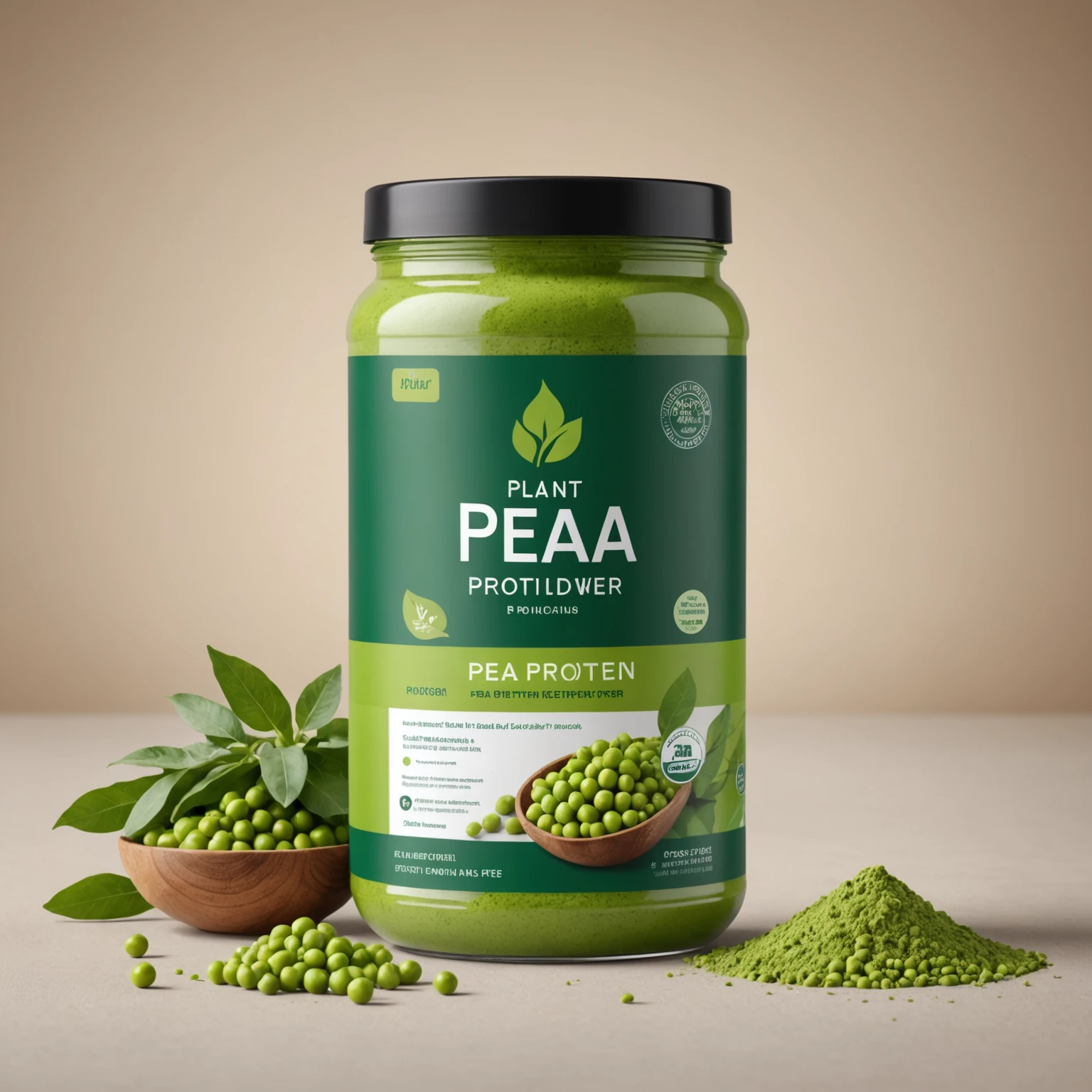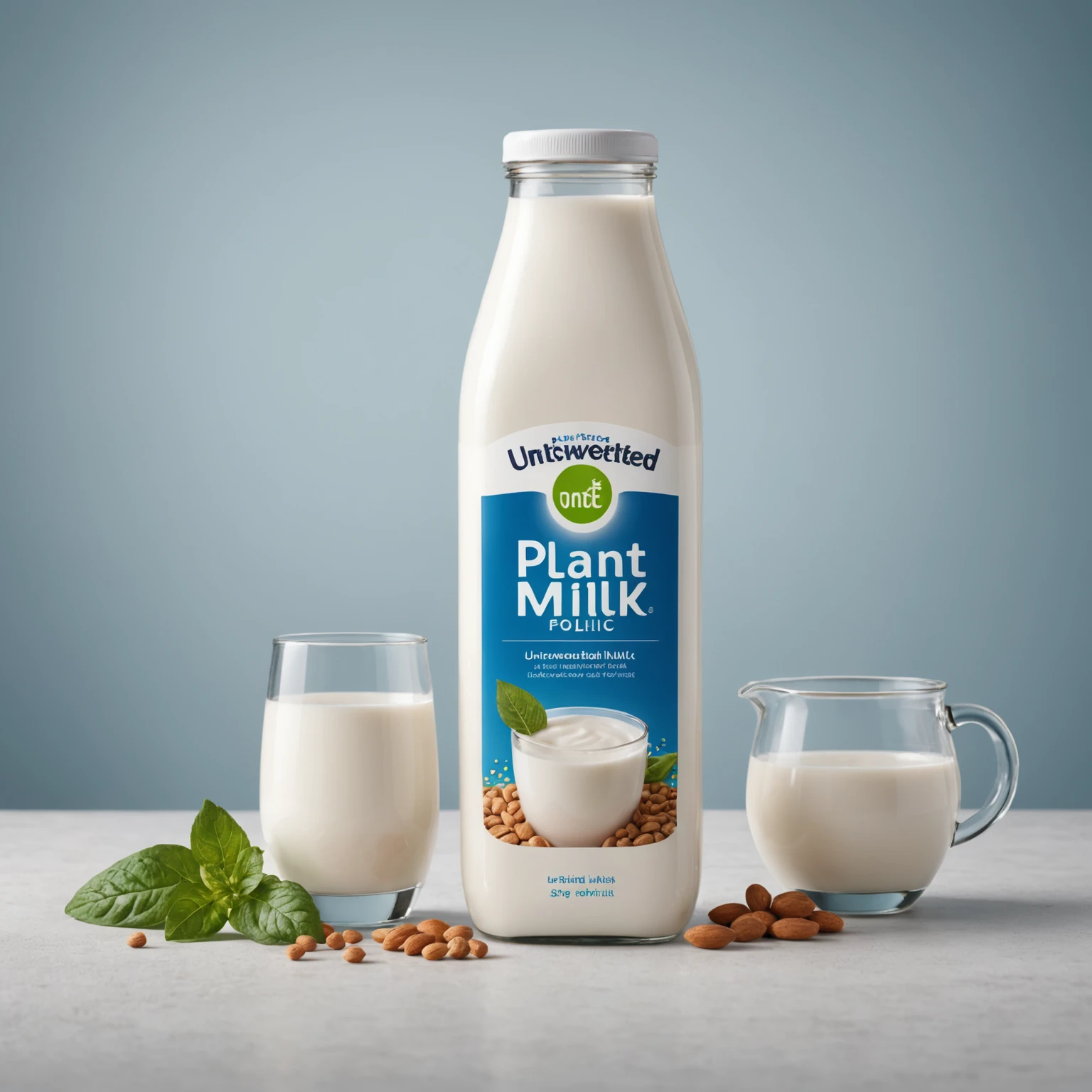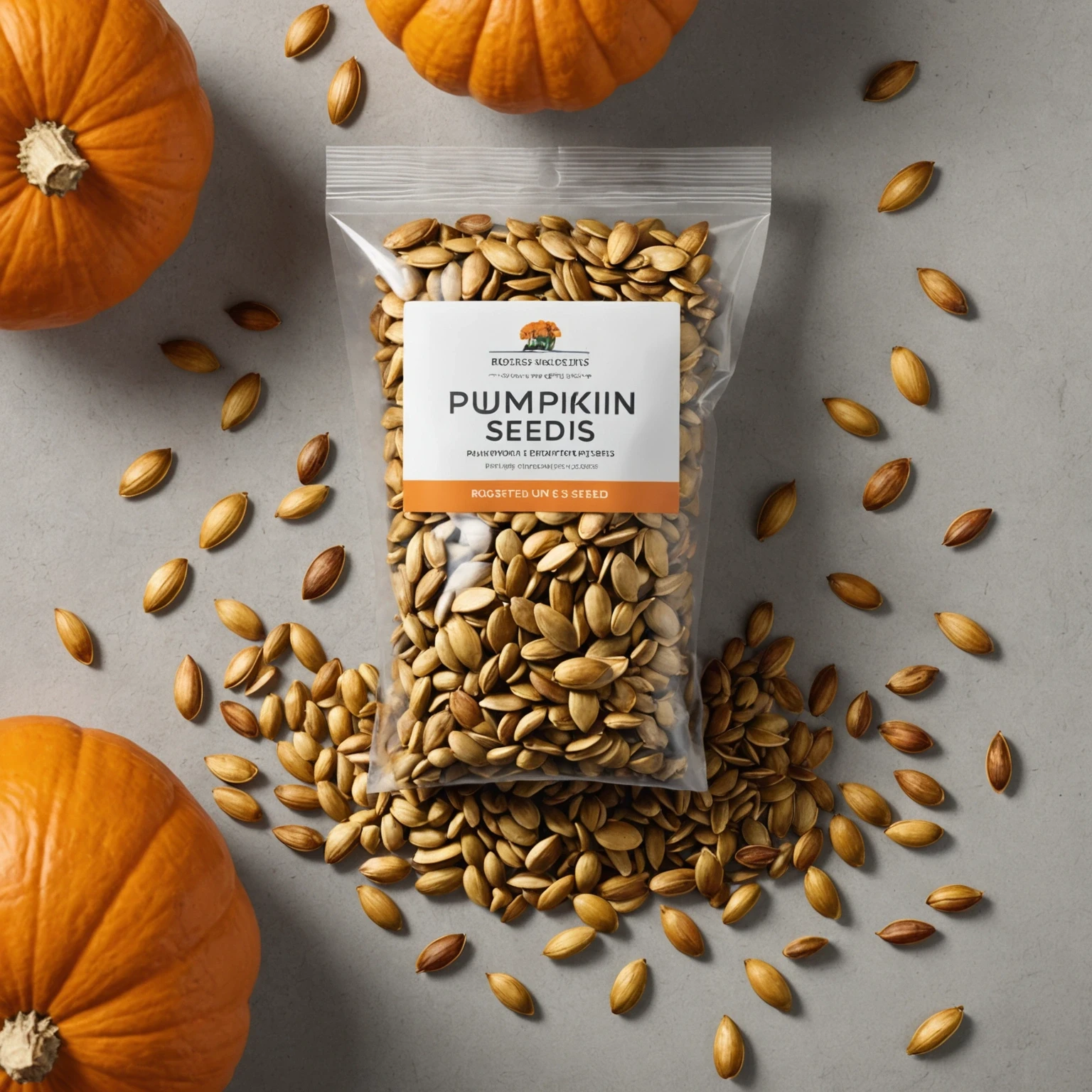
Effective muscle recovery is essential for improving athletic performance and achieving fitness goals. Sufficient protein intake plays a critical role in muscle repair, reducing fatigue, and preparing the body for future training sessions. While animal proteins have traditionally been emphasized, properly combined plant-based proteins offer a powerful and sustainable alternative for muscle recovery.
The Importance of Protein Quality and Amino Acid Balance
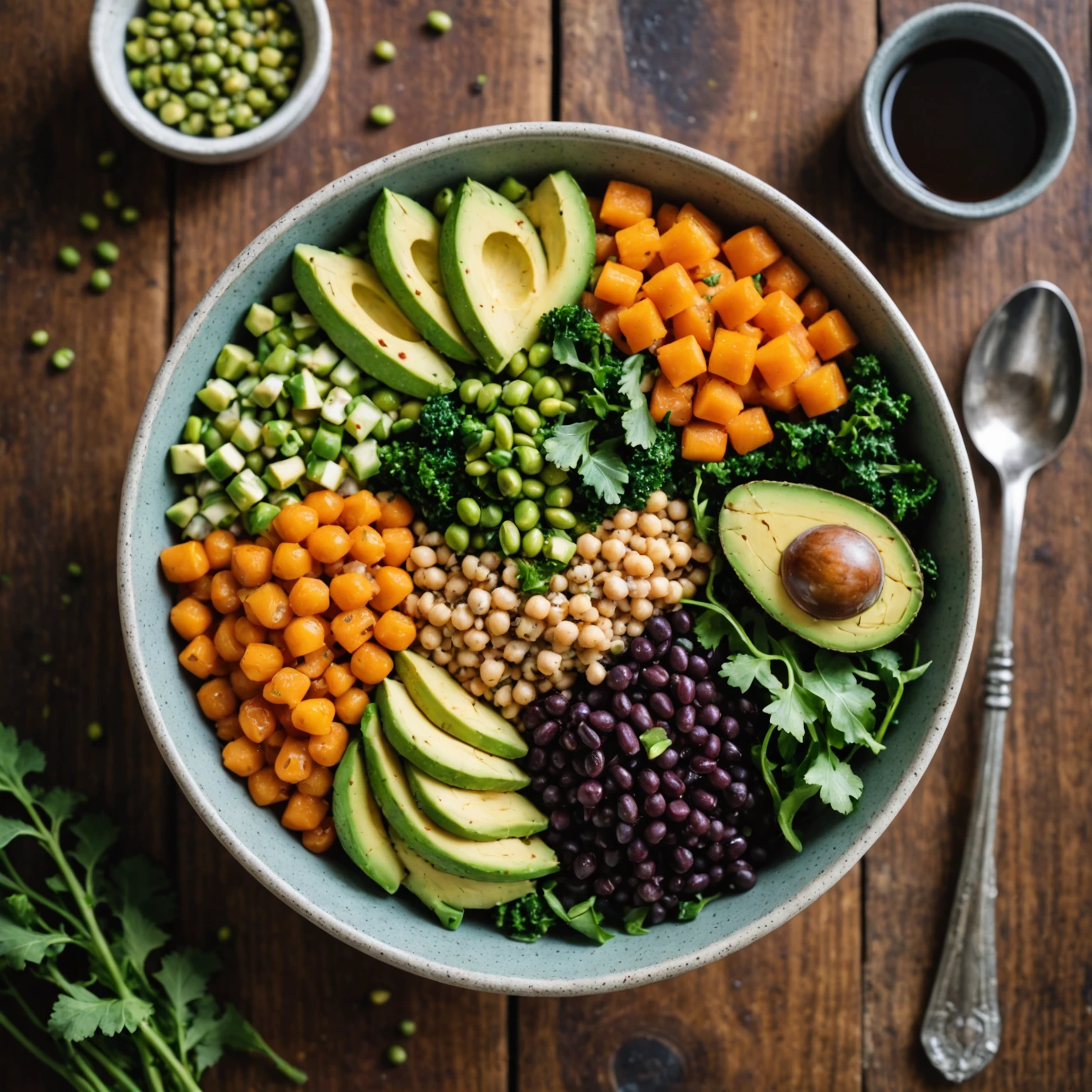
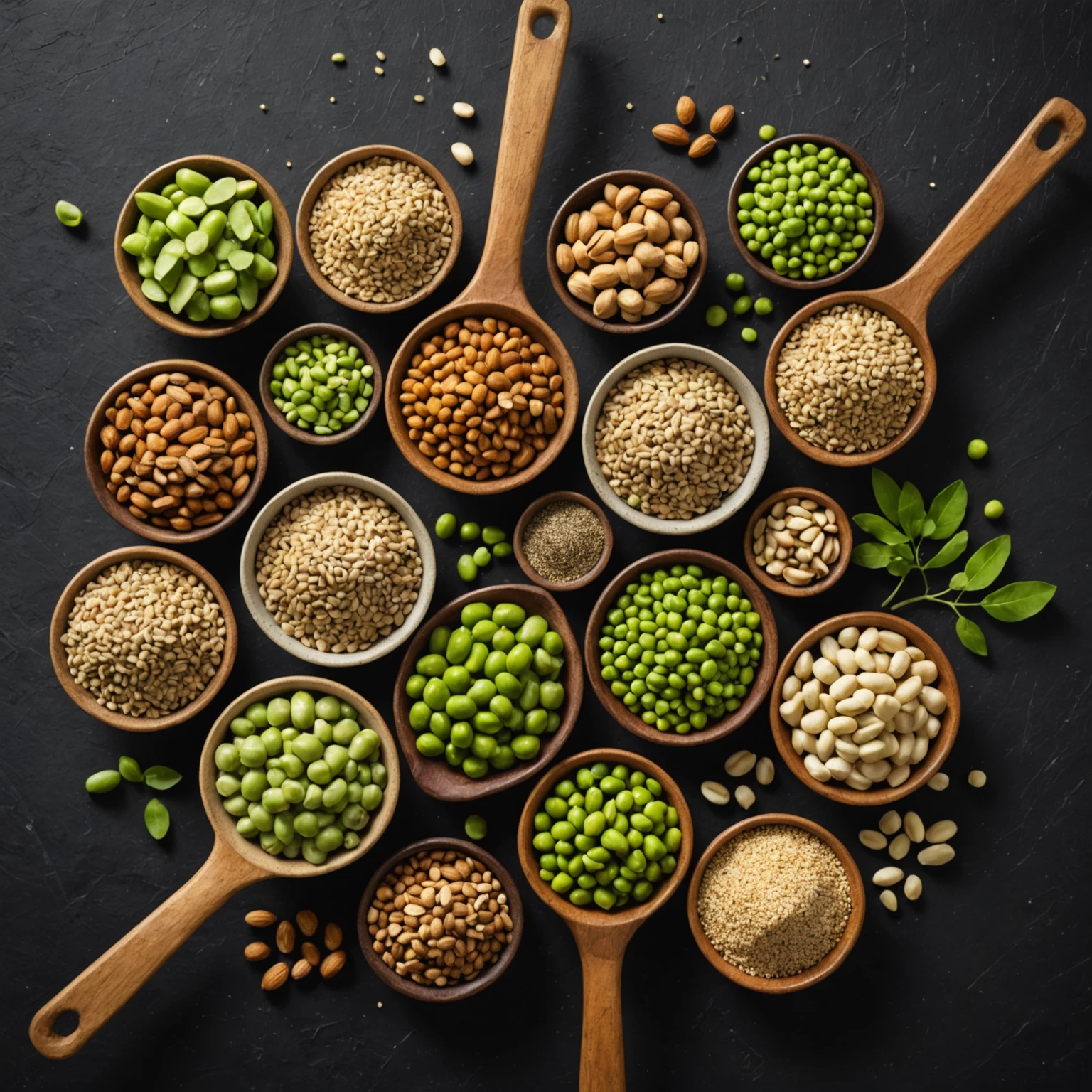
Protein is made up of amino acids, including nine essential ones the body cannot produce on its own. To promote optimal muscle protein synthesis — the process of rebuilding muscle tissue — a complete amino acid profile is necessary. Most individual plant proteins lack one or more essential amino acids or have them in limited amounts, making them incomplete proteins. However, consuming a variety of plant-based proteins throughout the day, such as legumes, grains, seeds, and nuts, effectively creates a complete amino acid profile that supports muscle repair and growth.
Benefits of High-Protein Plant-Based Diets for Muscle Recovery
- Effects: Plant foods are rich in antioxidants and phytonutrients, which help reduce exercise-induced oxidative stress and promote faster recovery.
- Improved Gut Health and Nutrient Absorption: The fiber content in plant proteins supports digestive health, enhancing nutrient uptake and immune function.
- Steady Energy Release: Combining complex carbohydrates with plant proteins ensures sustained energy levels, vital for endurance and metabolic balance.
- Eco-Friendly Nutrition: Choosing plant-based protein sources helps reduce environmental impact, aligning athletic nutrition with sustainability goals.
Strategic Nutritional Recommendations
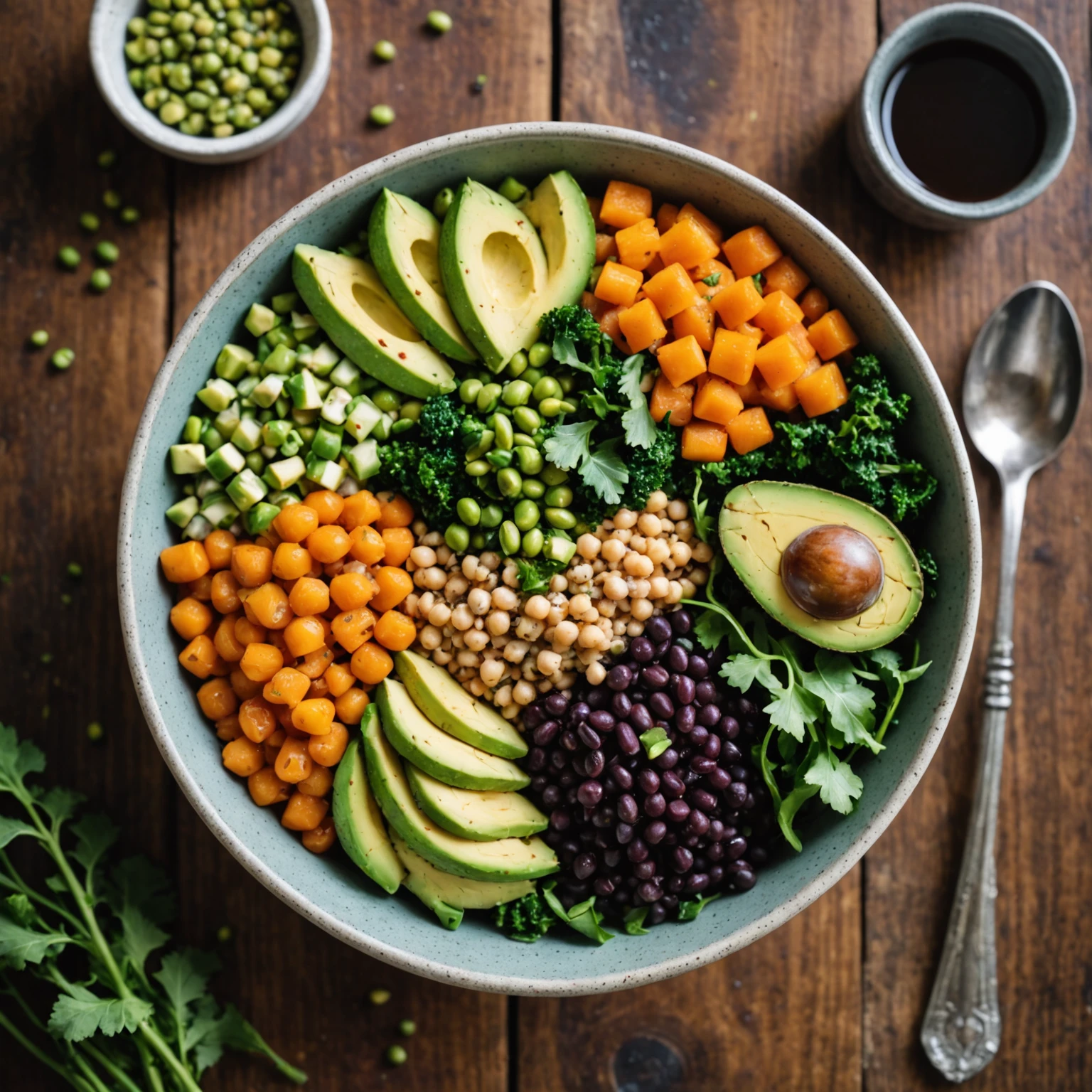
Incorporate protein-rich, nutrient-dense meals, such as the Spicy Chickpea and Quinoa Power Bowl that blends chickpeas and quinoa to deliver a complete amino acid profile complemented by antioxidant-rich vegetables. Including diverse plant proteins like hemp seeds, chia, tofu, tempeh, lentils, and edamame further supports muscle recovery through varied nutrient intake.

Optimizing Recovery Through Smart Dietary Choices
- Diversify Protein Sources: Rotate different plant proteins across meals to ensure a broad spectrum of amino acids.
- Prioritize Timing: Aim to consume 20-30 grams of combined protein and carbohydrates within 1-2 hours after exercise to enhance muscle repair.
- Stay Hydrated: Adequate hydration facilitates muscle function and effective nutrient transport.
- Adjust Caloric Intake: Recognize that plant proteins often have fiber and lower caloric density; increase portion sizes as needed to meet energy demands for recovery.
Conclusion
Adopting a high-protein plant-based nutrition strategy effectively supports muscle recovery and boosts athletic performance. By understanding the importance of amino acid complementation and focusing on nutrient-rich meal combinations, athletes can meet their recovery objectives in a sustainable and enjoyable way. Integrate practical plant protein sources and recipes like the Spicy Chickpea and Quinoa Power Bowl into your routine to fuel recovery and maintain consistent energy levels.
For a plant-based recovery-friendly option, add Herbed Quinoa and Edamame Salad with Citrus Vinaigrette to your rotation. Quinoa and edamame provide complementary plant protein, while the citrus vinaigrette keeps the salad bright and meal-prep friendly.
Related High-Protein Recipes to Try
These plant-forward recipes give readers practical ways to turn the recovery principles above into protein-rich meals.