Understanding Dietary Fiber’s Impact on Active Lifestyles
Dietary fiber, a type of carbohydrate found only in plant-based foods, plays an essential role in supporting the health and performance of those with active lifestyles. Beyond basic nutrition, fiber contributes significantly to digestive wellness, energy regulation, and immune system strength—critical factors for athletes and fitness enthusiasts.
Soluble vs. Insoluble Fiber: Distinct Benefits for Athletes
There are two primary forms of dietary fiber, each delivering unique advantages:

- Soluble Fiber: This fiber dissolves in water, forming a gel that slows digestion. It helps stabilize blood sugar levels by moderating carbohydrate absorption, which supports sustained energy during exercise. Additionally, it helps reduce LDL cholesterol, enhancing cardiovascular health, an important factor in endurance and physical performance.
- Insoluble Fiber: Adding bulk to stool, insoluble fiber accelerates waste transit through the digestive system, preventing constipation and fostering regular gut function. A practical digestive system is vital for optimal nutrient uptake and recovery throughout athletic training.
Balancing both types of fiber supports gut health and maximizes overall benefits for active individuals.
How Fiber Enhances Physical Performance and Overall Wellness
- Improved Digestive Health: Fiber feeds beneficial gut bacteria, promoting a robust microbiome that enhances nutrient absorption and reduces gastrointestinal distress during physical activity.
- Steady Energy Supply: By slowing carbohydrate digestion, fiber helps maintain even blood glucose levels, avoiding energy spikes and drops that can impair workout performance.
- Appetite Regulation: Fiber increases feelings of fullness, aiding in practical weight management and the preservation of lean muscle mass indispensable for athletic achievement.
- Boosted Immune Defense: A fiber-rich diet enhances gut microbiome diversity, strengthening immunity and decreasing illness-related interruptions.
Implementing Fiber into Your Active Nutrition Strategy
- Increase fiber intake gradually to prevent discomfort.
- Ensure adequate hydration to maximize fiber’s digestive benefits.
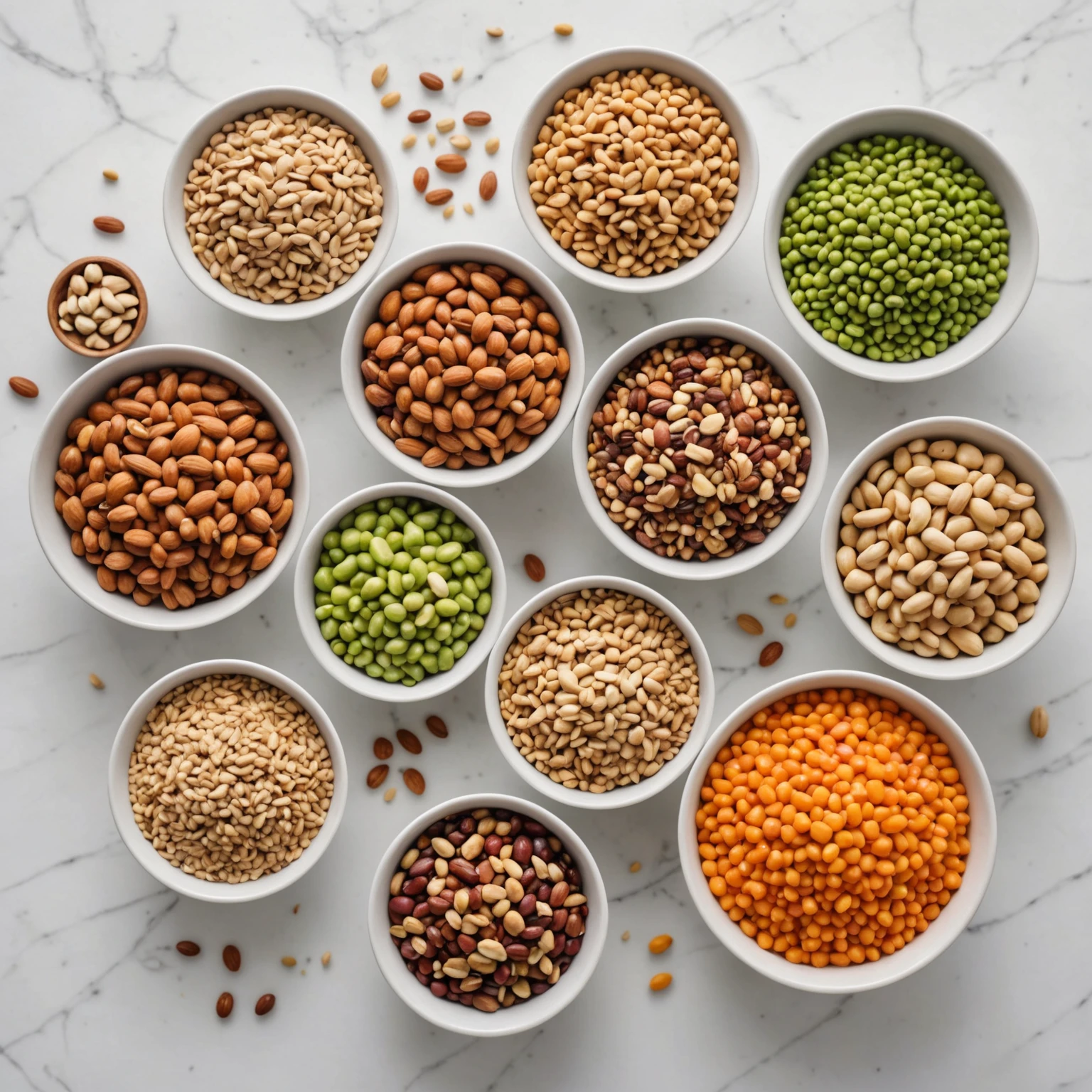
- Focus on whole, unprocessed foods rich in fiber, including legumes, whole grains, vegetables, nuts, and seeds.
- Pair fiber-containing foods with high-quality proteins to support muscle repair and regeneration.
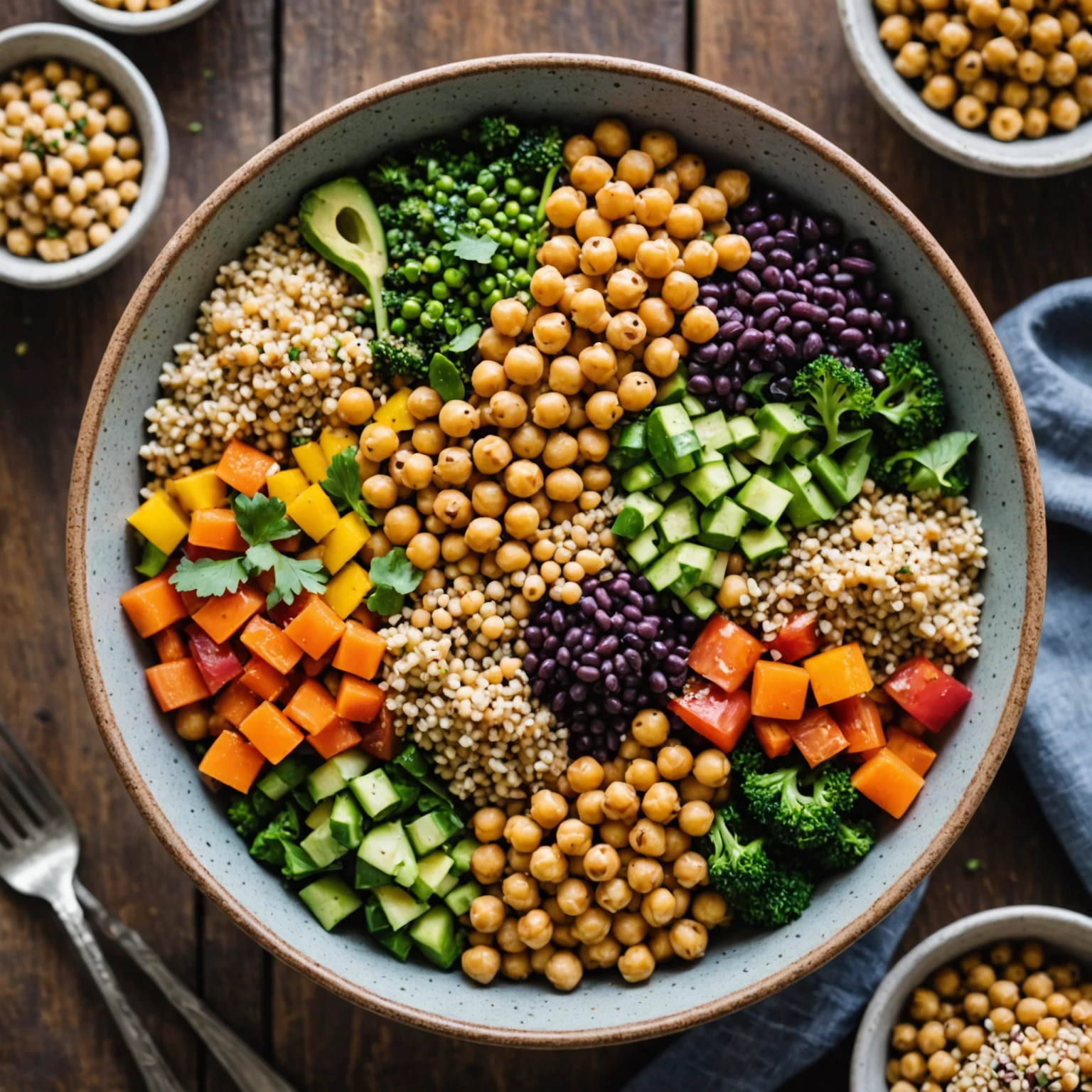
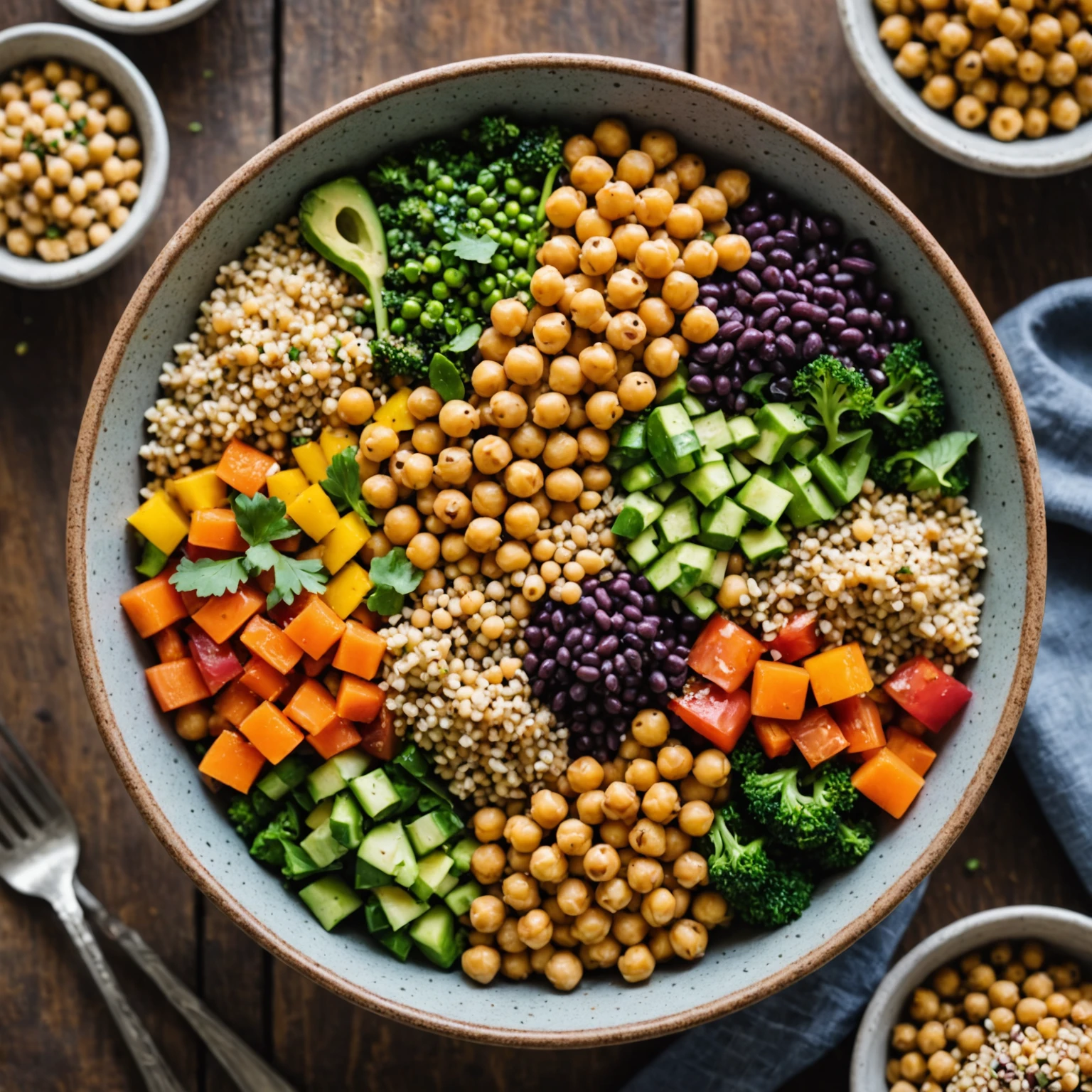
For an example of a fiber-forward, nutrient-rich dish that pairs fiber with protein effectively, explore the Spicy Chickpea and Quinoa Power Bowl.
Final Thoughts
Incorporating sufficient dietary fiber into the nutrition plan of active individuals supports key aspects of health, from digestive efficiency and energy stability to immune resilience. Combined with practical protein intake, fiber strengthens the foundation for enhanced endurance, recovery, and sustained well-being. Discover fiber-rich nutrition options at Protein Power Kitchen to elevate your active lifestyle today.
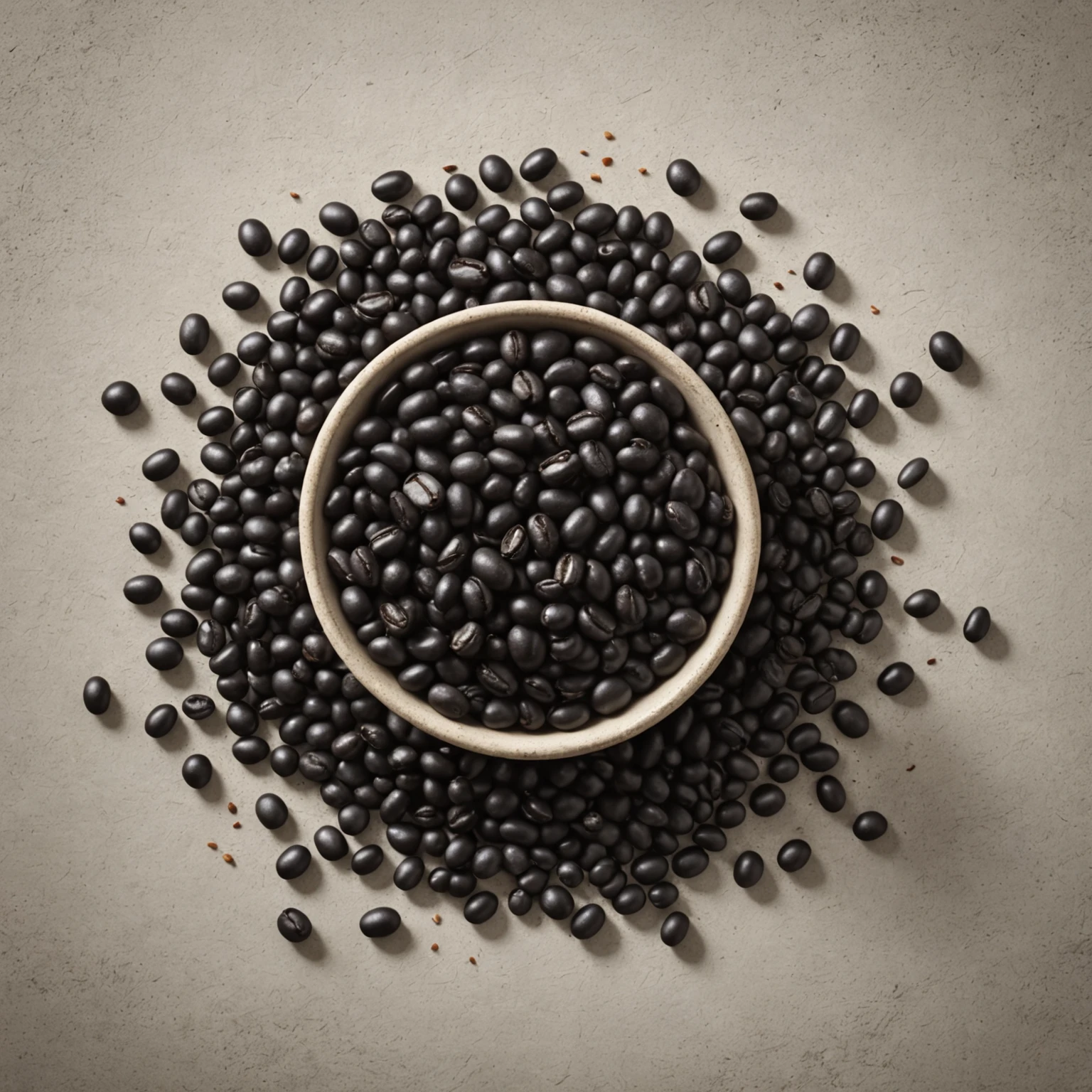
For a fiber-rich plate that also supports protein balance, try Quinoa and Black Bean Stuffed Acorn Squash. The mix of quinoa, beans, and squash adds legumes, whole-food carbohydrates, and satisfying volume.
Related High-Protein Recipes to Try
These legume recipes add fiber-rich protein options that fit the digestive and energy benefits discussed above.