Introduction
With growing interest in protein-rich diets among athletes, fitness enthusiasts, and health-conscious individuals, it is vital to understand the environmental implications of protein choices. Beyond nutritional benefits, adopting sustainable eating habits supports ecosystem health and personal wellness. This article examines key protein sources—legumes, seafood, and poultry—to highlight how you can balance optimal nutrition with environmental responsibility.
Assessing the Environmental Impact of Protein Sources
Legumes: Nutrient-Dense and Environmentally Sustainable
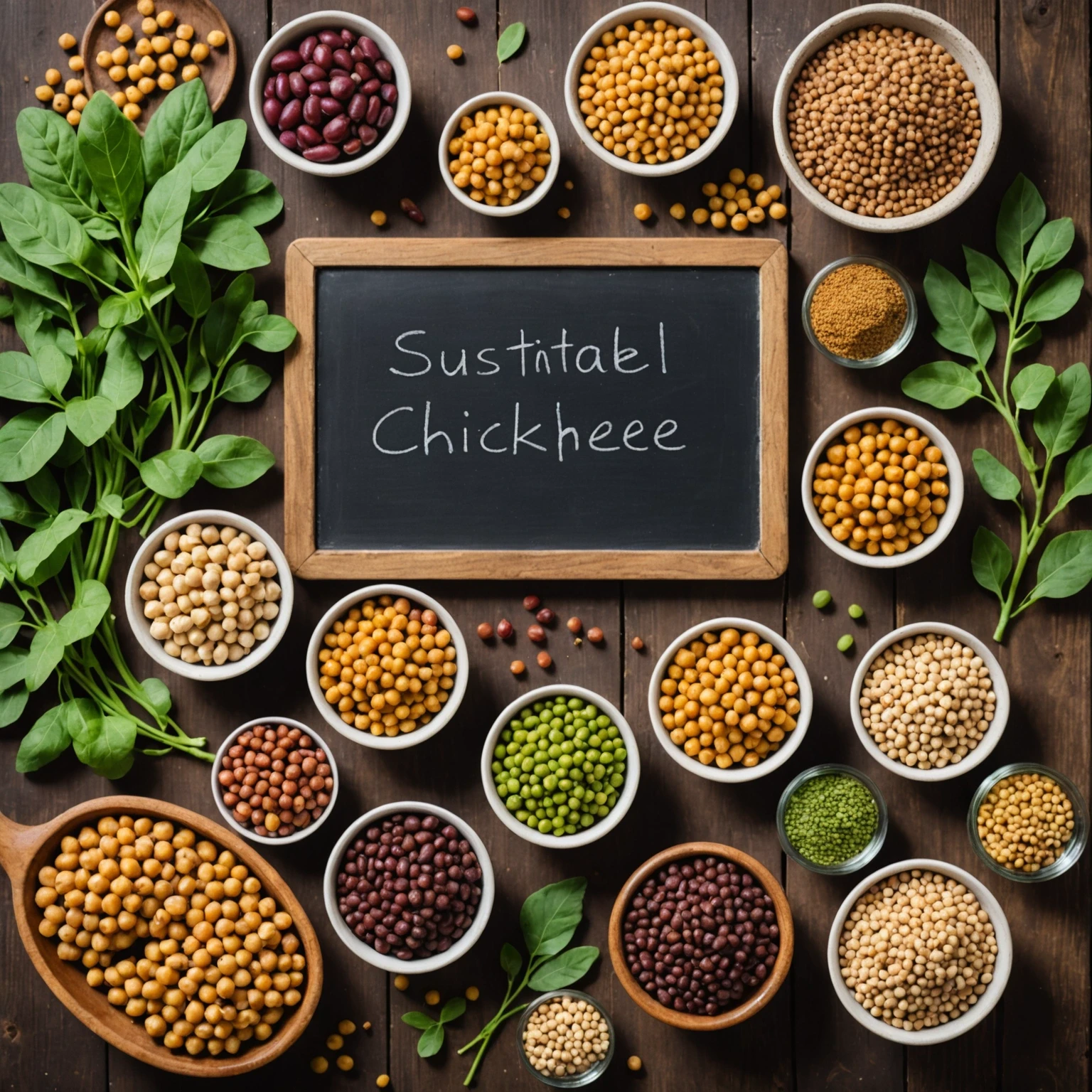
Legumes, including lentils, chickpeas, and beans, offer some of the lowest environmental footprints among protein options. Their growth demands minimal water and land compared to animal proteins. Crucially, their nitrogen-fixing properties enhance soil health, reducing the need for synthetic fertilizers and lowering carbon emissions associated with cultivation.
For an example of integrating legumes into a sustainable diet, consider the Spicy Chickpea and Quinoa Power Bowl, which combines plant proteins to provide a complete amino acid profile with eco-conscious ingredients.
Seafood: Nutritional Excellence practical with Ecological Considerations

Seafood is an excellent source of high-quality protein and omega-3 fatty acids, essential for cardiovascular and cognitive health. However, its environmental impact is highly variable and depends on fishing or aquaculture practices. Sustainable harvesting methods mitigate depletion risks, reduce bycatch, and protect marine habitats, making responsible seafood consumption critical for ocean health.
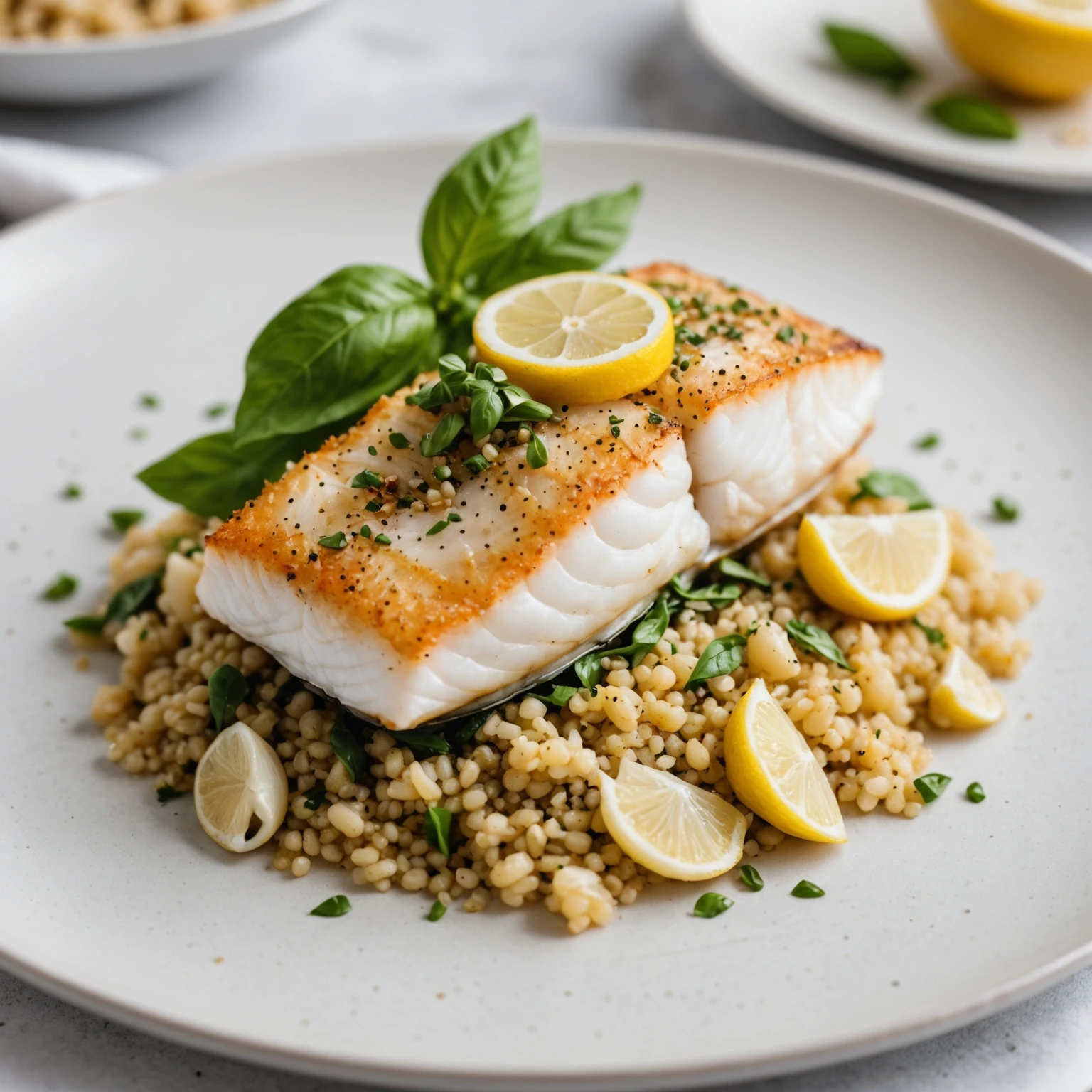
Items like Lemon Basil Baked Cod with Garlic Quinoa demonstrate how to enjoy seafood as part of an environmentally thoughtful diet while benefiting from its nutritional profile.
Poultry: Efficient Animal Protein with Moderate Environmental Effects
Compared to red meats, poultry requires fewer natural resources, such as feed, water, and land, translating into a smaller ecological footprint. Lean poultry options, including chicken and turkey, provide essential amino acids with reduced saturated fat, supporting muscle recovery and overall health. Choosing ethically raised, pasture-raised poultry can further improve sustainability outcomes.
Beyond Protein Quantity: Exploring Comprehensive Health Benefits
Optimal nutrition involves considering protein quality and complementary nutrients. Legumes contribute dietary fiber, antioxidants, and micronutrients beneficial for digestion and prevention of chronic illnesses. Seafood supplies omega-3 fats and micronutrients like selenium and vitamin D, enhancing cardiovascular and immune function. Poultry offers complete amino acid profiles with lower saturated fats, supporting metabolic health and muscle maintenance.
Practical Approaches to Sustainable Protein Consumption
- Diversify Protein Sources: Rotate between plant-based options and sustainably sourced animal proteins to fulfill nutritional requirements while minimizing environmental impact.
- Choose Ethical and Local Sourcing: Prioritize locally produced, seasonal, and ethically raised foods, such as wild-caught fish and pasture-raised poultry, to support sustainable agriculture and biodiversity.
- Plan Nutrient-Complementary Meals: Select recipes combining complementary proteins and aim to minimize food waste. Meals like the chickpea-quinoa bowl or baked cod with quinoa are examples of nutrition and sustainability working together.
Conclusion
Incorporating sustainable protein sources into your diet not only enhances personal health but also contributes to environmental stewardship. By recognizing the interconnectedness of nutrition and ecological impact, you can make mindful choices that nourish your body and protect the planet for future generations. Adopting this practical approach empowers you to achieve wellness goals while supporting global sustainability.
---.
For inspiration on sustainable and practical meals, explore the Spicy Chickpea and Quinoa Power Bowl and Lemon Basil Baked Cod with Garlic Quinoa, designed to satisfy both health and environmental priorities.
Related High-Protein Recipes to Try
These seafood recipes offer protein-rich options that fit a more varied and sustainability-aware plate.