Understanding Inflammation and Its Impact on Health
Inflammation is a critical biological process that helps the body respond to injury and infection. While acute inflammation is protective, chronic inflammation can impair recovery and contribute to many health issues, including cardiovascular diseases and metabolic disorders. Although medications are commonly used to manage inflammation, adopting dietary strategies with ingredients offers a natural, enduring approach to support recovery and overall health.
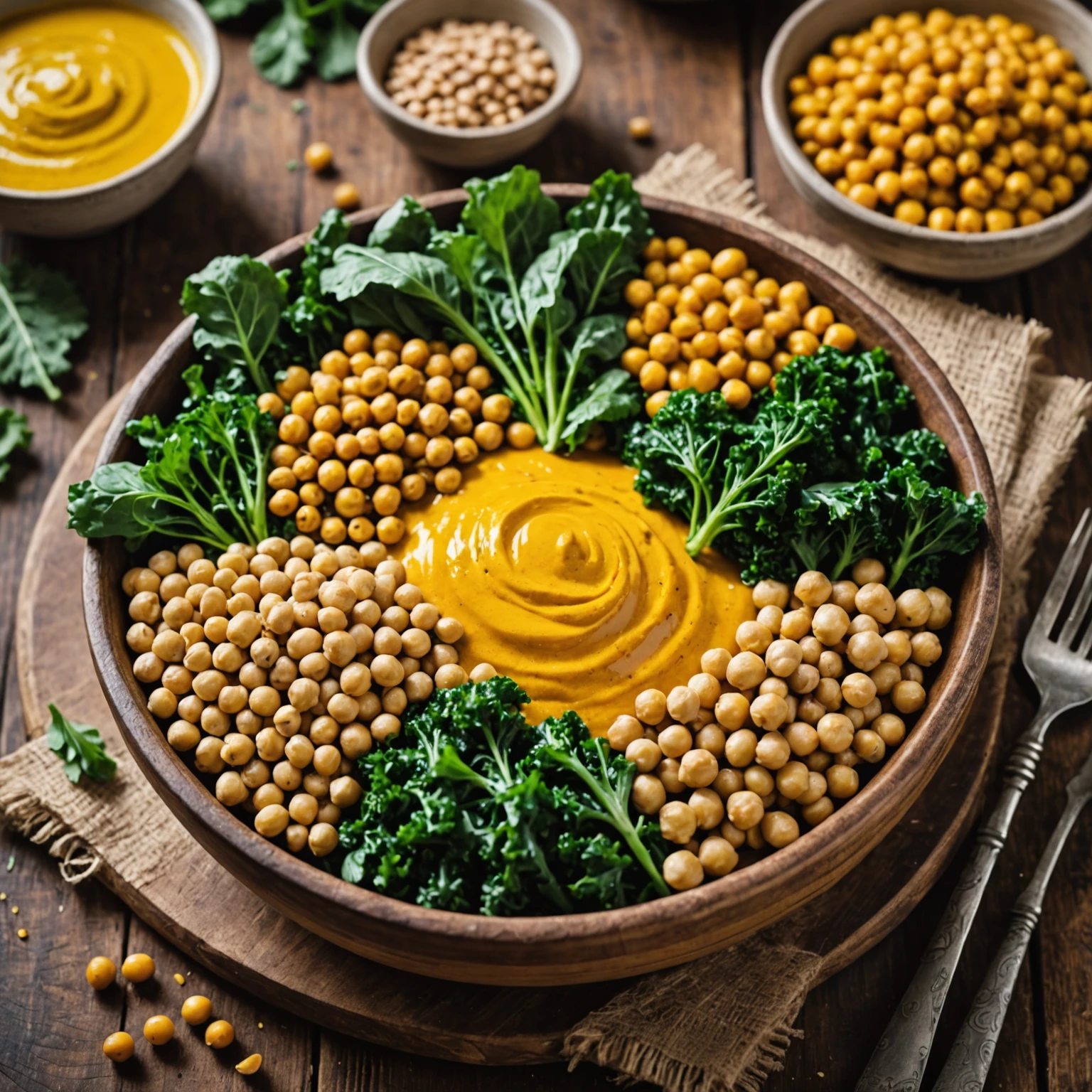
Key Ingredients to Include in Your Diet
Incorporating nutrient-dense, foods into protein-rich meals can significantly influence your health:
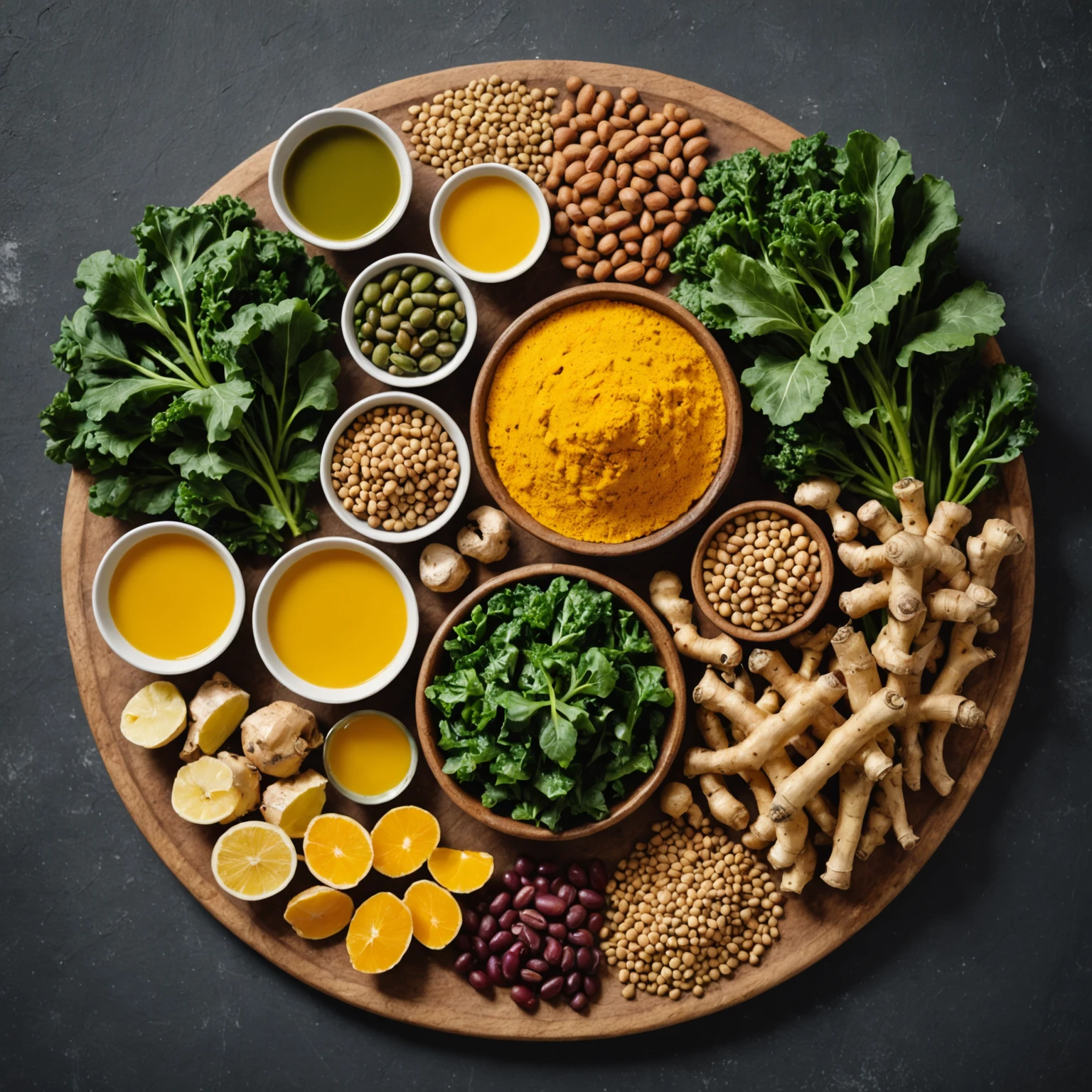
- Turmeric: Rich in curcumin, turmeric has potent and antioxidant properties. Regular consumption may help lower markers of inflammation and support joint and muscle health.
- Ginger: Containing gingerol, ginger acts to inhibit inflammatory pathways and soothe digestive discomfort, making it a valuable addition to practical meals.
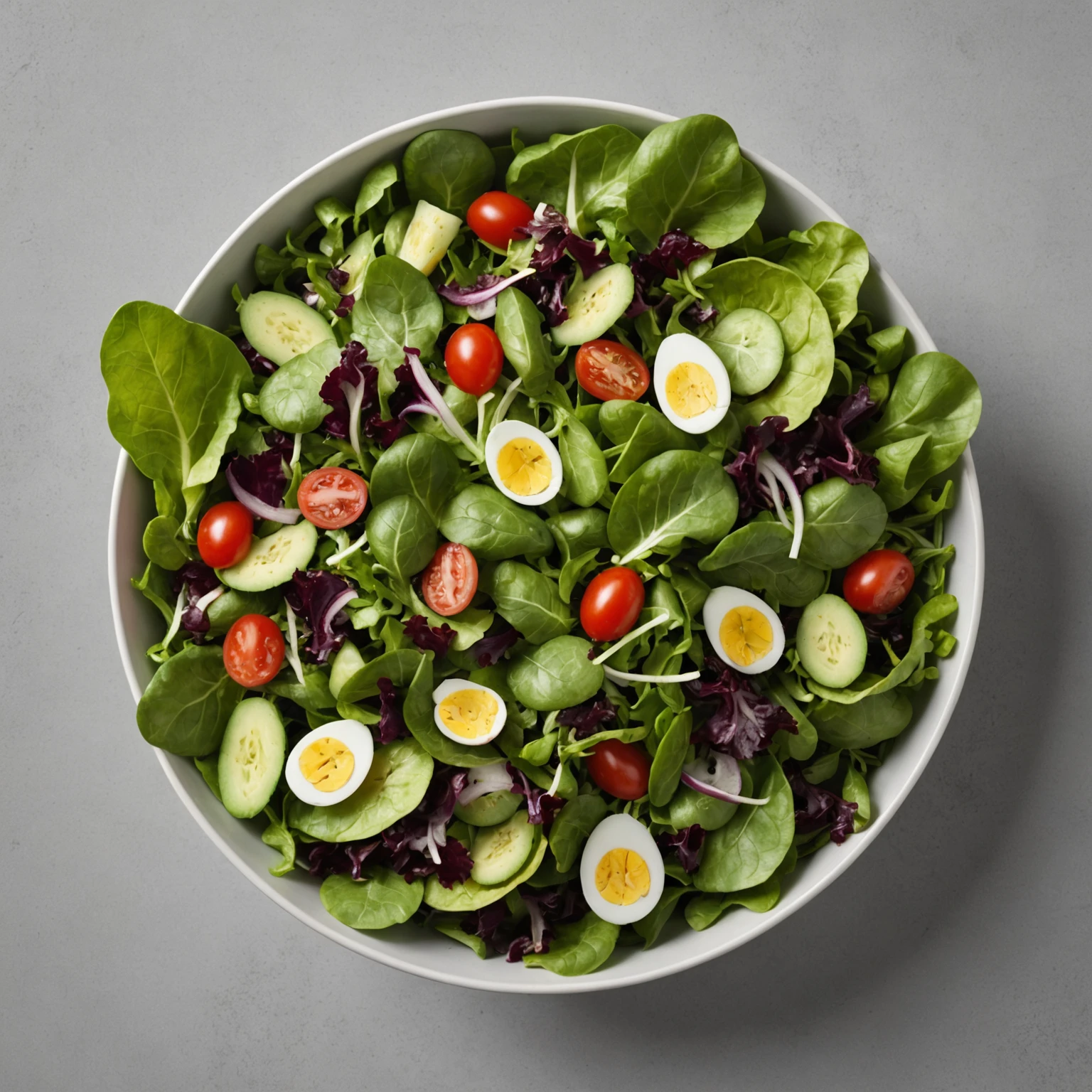
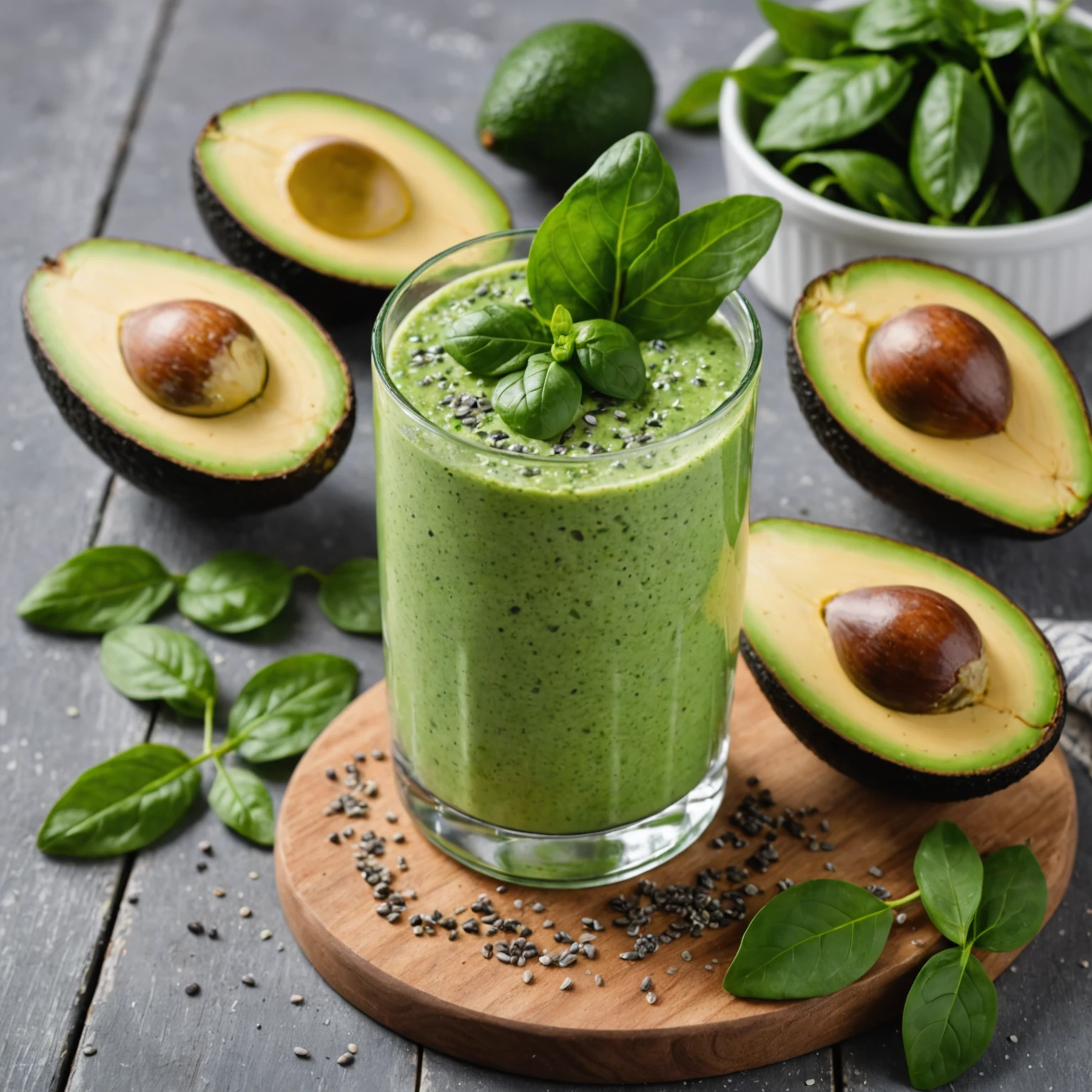
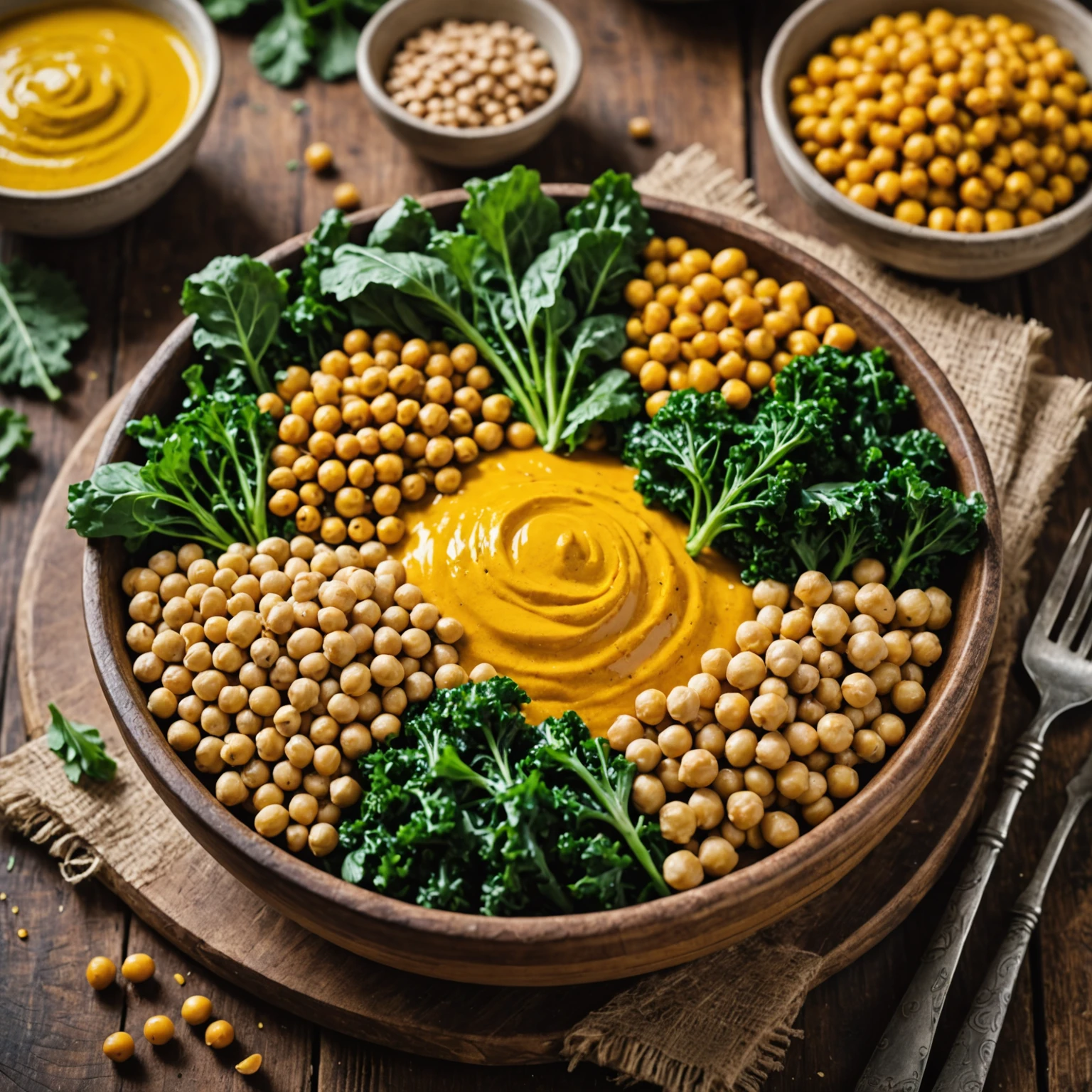
- Leafy Greens: Vegetables like kale, spinach, and Swiss chard are abundant in antioxidants such as flavonoids and carotenoids, which combat oxidative stress and decrease inflammation.
- Legumes: Beans, lentils, and chickpeas provide both fiber and plant-based protein, alongside compounds that foster gut health and reduce systemic inflammation.
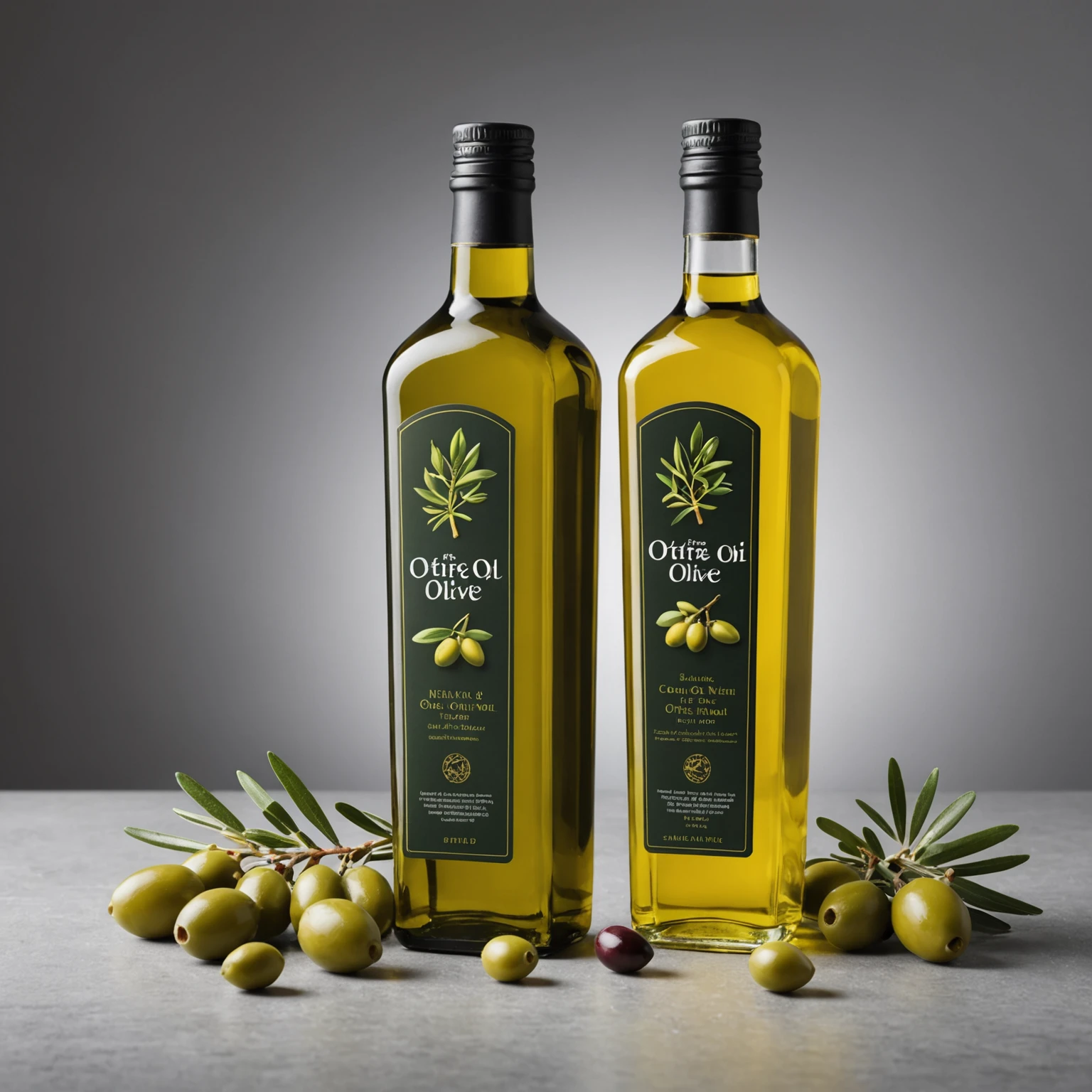
- fats: Foods such as extra virgin olive oil, avocados, and nuts deliver monounsaturated and polyunsaturated fats that contribute to lowering inflammation and improving heart health.
Broader Health Benefits Beyond Muscle Recovery
ingredients influence multiple aspects of health beyond muscle function:

- Immune Support: They help regulate immune responses to prevent excessive inflammation that can damage tissues.
- Gut Health: High-fiber legumes and leafy greens nourish beneficial gut microbiota, essential for maintaining a practical inflammatory state.
- Cognitive Function: Chronic inflammation is linked to cognitive decline; diets may improve mental clarity and reduce neurodegenerative risks.
Practical Tips for Adding Foods to Your Meals
Integrating these ingredients into your daily diet can be straightforward and flavorful:
- Use turmeric and ginger to enhance the taste and health profile of soups, stews, and stir-fries.
- Include leafy greens as sides, in salads, or blended into smoothies for a nutrient-rich boost.
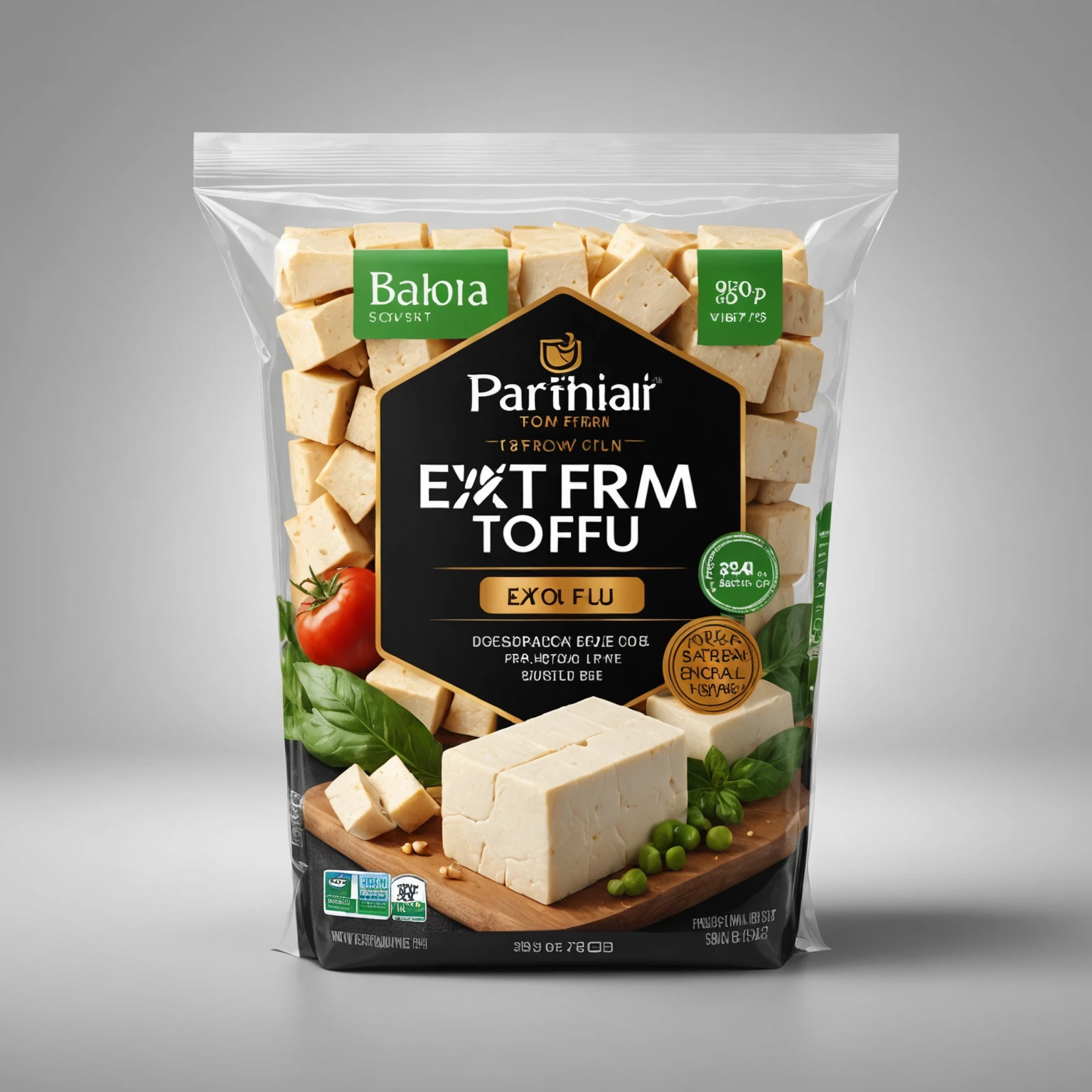
- Try legume-based dishes like the Zesty Ginger and Turmeric Tofu Stir-Fry or Moroccan Spiced Lentil and Carrot Tagine for satisfying meals that support inflammation balance.
- Incorporate fats through olive oil dressings or as a finishing touch on dishes to maximize nutrient absorption and flavor complexity.
Conclusion: Elevate Your Health with Nutrition
Emphasizing ingredients in protein-focused meals enriches your diet's nutritional value and fosters comprehensive wellness. Recognizing their multi-dimensional health effects empowers you to enhance vitality, support immune and digestive systems, and nurture long-term wellbeing through mindful nutrition. By choosing these foods regularly, you transform everyday meals into powerful contributors to your health journey, promoting vibrant, lasting energy and resilience.