Effective strength training requires more than sufficient proteins and carbohydrates—it depends on the strategic inclusion of essential micronutrients that support performance and recovery at a cellular level. Vitamins and minerals serve as vital cofactors in key metabolic processes, muscle function, immune defense, and tissue repair, all of which contribute to sustainable strength gains and vitality.
The Vital Role of Micronutrients in Strength and Recovery

Micronutrients, though non-caloric, are indispensable in various enzymatic reactions critical for energy production and muscular health. B vitamins such as B6, B12, and folate facilitate the conversion of food into usable energy and play a major role in red blood cell synthesis, enhancing oxygen delivery to muscles. Essential minerals like magnesium and calcium regulate muscle contractions and relaxation, directly impacting performance and endurance.
Powerful antioxidants like vitamins C and E protect muscle tissues from oxidative damage caused by intense workouts, reducing fatigue and supporting faster recovery. Trace elements including zinc and selenium bolster immune function, helping maintain training consistency by preventing illness.
Key Micronutrients to Prioritize for Strength Training
- Vitamin D: Crucial for muscle strength and injury prevention, vitamin D also supports bone health. Supplementation through sensible sun exposure and foods like fatty fish combats common deficiencies.
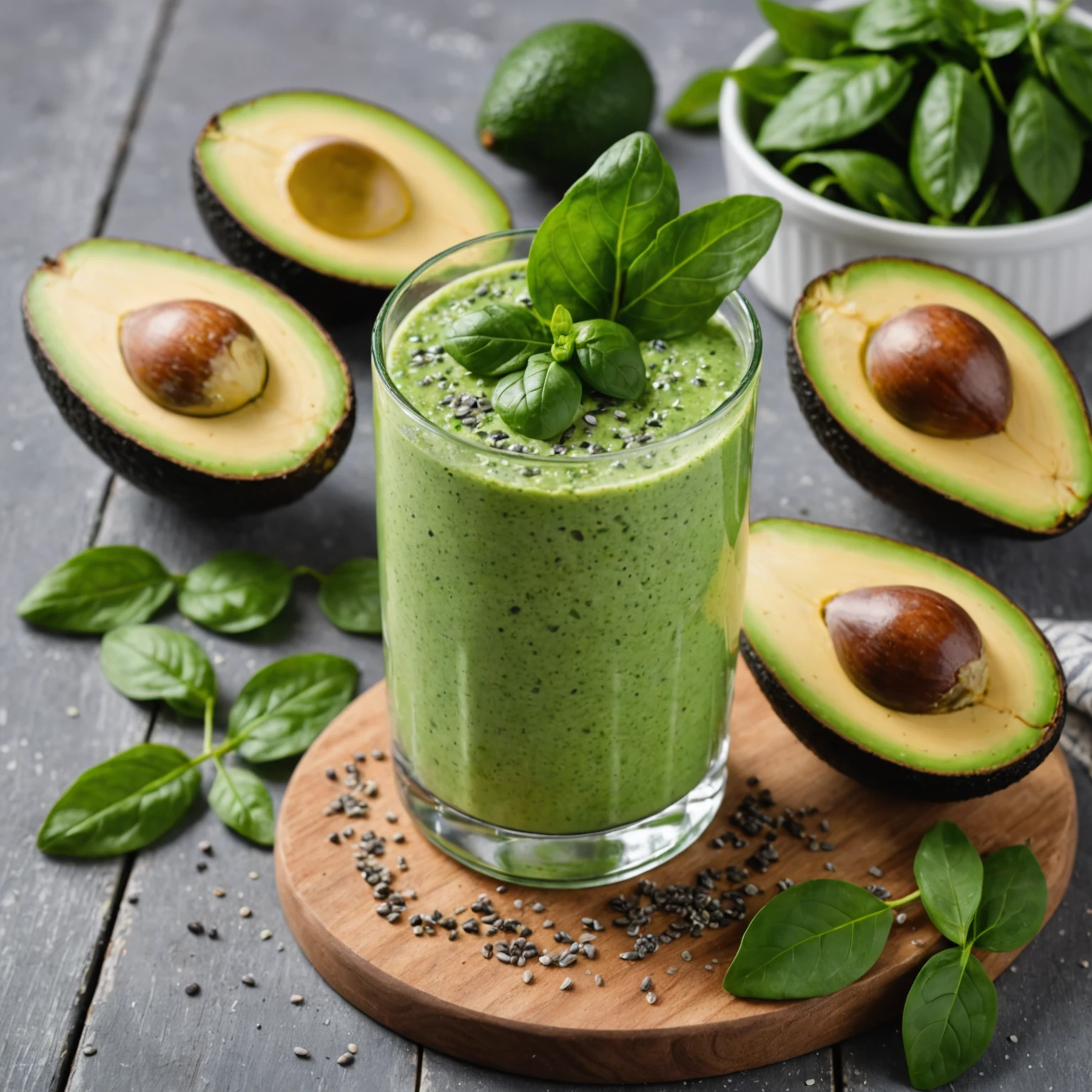
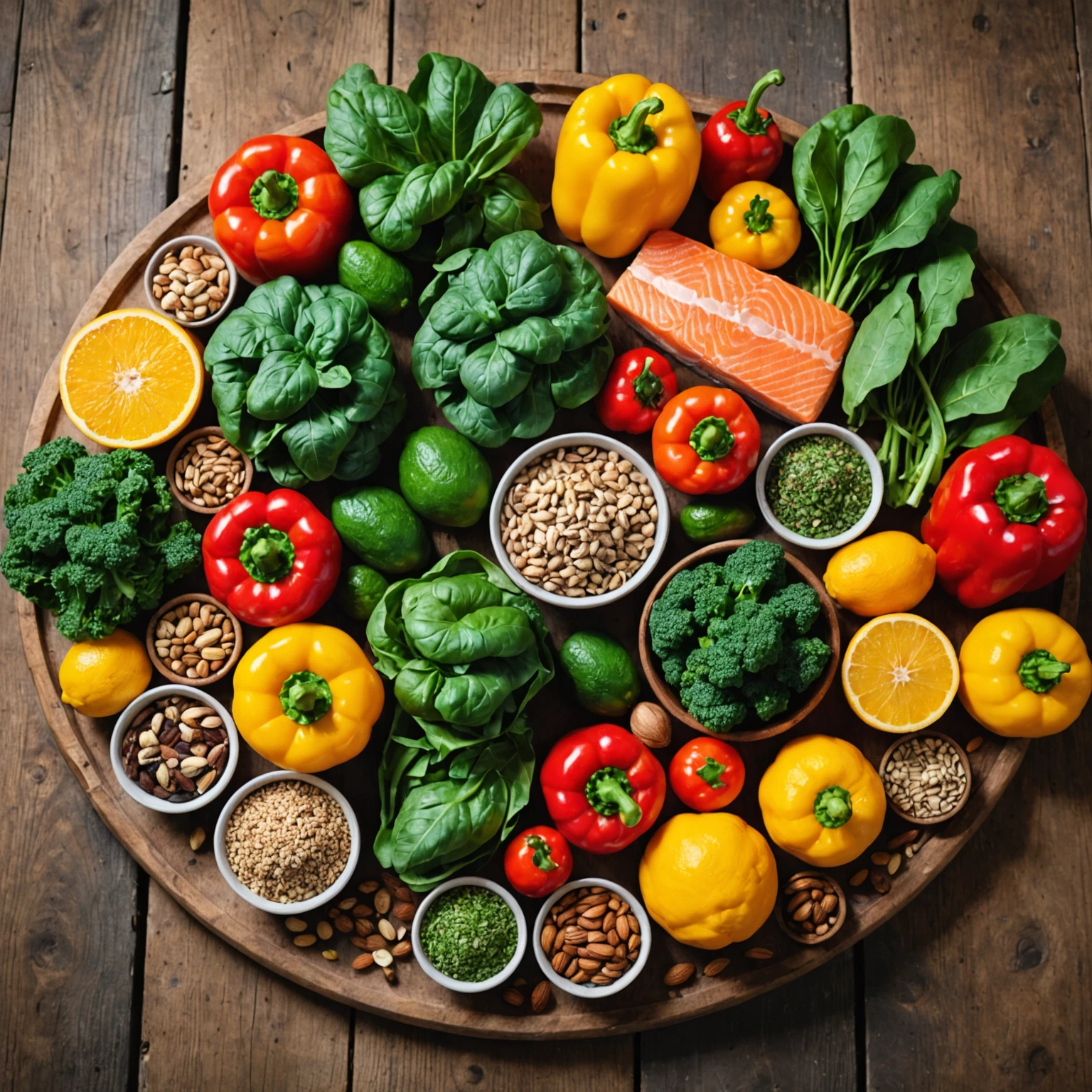
- Magnesium: Supports over 300 enzymatic reactions involved in energy production and muscle relaxation. Rich sources include nuts, seeds, and leafy green vegetables.
- Iron: Necessary for oxygen transport within the blood, iron deficiency can compromise strength and endurance, notably in female and endurance athletes.
- Calcium: Essential for muscle contraction and neural signaling, ensuring smooth and coordinated movements.
- B Vitamins: Central to energy metabolism and red blood cell formation.
- Vitamins C and E: Function as antioxidants guarding cells against exercise-induced oxidative stress and maintaining immune resilience.
How to Incorporate Micronutrient-Rich Foods Effectively

An abundant intake of varied, minimally processed colorful practical naturally meets micronutrient needs. Combining nutrient-dense plant and animal sources optimizes absorption and nutrient diversity—for example, pairing leafy greens with salmon delivers magnesium, calcium, vitamin D, and omega-3 fatty acids together.
Simple habits such as adding steamed spinach or kale to meals, snacking on nuts or pumpkin seeds, and including vitamin C-rich fruits like citrus and bell peppers enhance antioxidant intake and overall nutritional quality.
Explore nutrient-focused meal ideas like Creamy Tuscan Garlic Salmon with Spinach, which combines omega-3 rich fish with vitamin-packed greens.
For comforting nourishment rich in micronutrients, try Beef and Barley Soup with Root Vegetables that delivers a practical array of minerals, vitamins, protein, and fiber—ideal for recovery and satiety.
Beyond Nutrition: Supplementation and Nutrient Timing Insights
While a practical diet can supply most micronutrient needs, athletes with intense training regimes or dietary restrictions might find targeted supplementation helpful after consulting healthcare professionals.
Timing micronutrient intake plays a role in maximizing benefits; for example, antioxidants can enhance recovery when consumed but may blunt beneficial training adaptations if taken excessively before exercise.
Understanding these subtleties allows tailored nutritional approaches that enhance adaptation, recovery, and overall performance.
Conclusion
A comprehensive strength training nutrition strategy extends beyond macronutrients by incorporating essential micronutrients that fuel energy metabolism, muscle function, recovery, and immune health. Prioritizing micronutrient-rich foods nurtures endurance, resilience, and sustained vitality.
Deliberate dietary variety with vitamins and minerals as cornerstones establishes a robust foundation for continuous progress and well-being.
Discover practical recipe ideas focusing on micronutrient-dense ingredients such as Creamy Tuscan Garlic Salmon with Spinach and Beef and Barley Soup with Root Vegetables to naturally empower your strength training and health journey.