Understanding Macronutrients and Their Vital Functions
A comprehensive grasp of proteins, carbohydrates, and fats is essential for crafting meals that elevate athletic performance and general wellness. Each macronutrient serves unique but complementary roles:
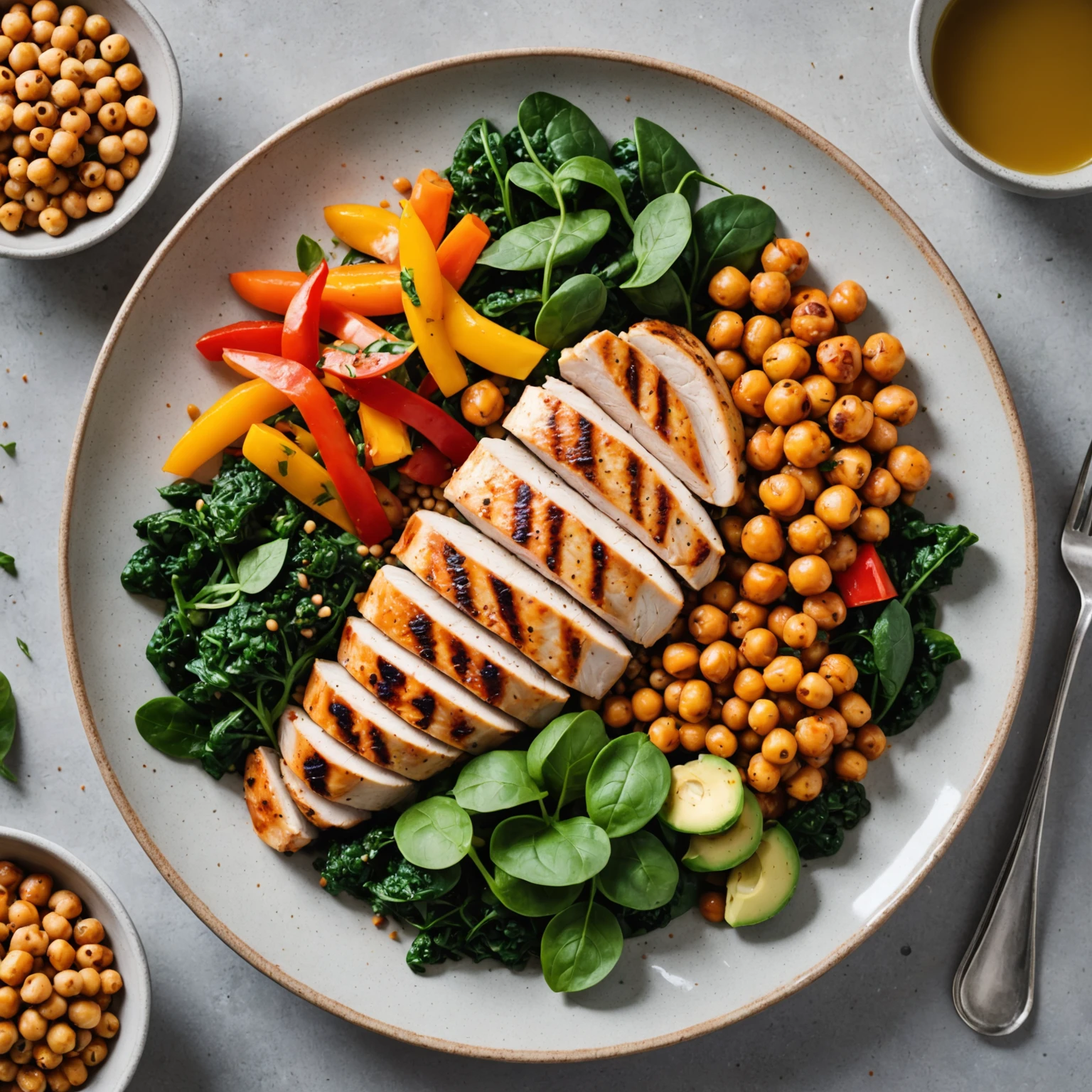
- Proteins: Fundamental for muscle repair, synthesis, and supporting immune health.
- Carbohydrates: Primary energy source that restores glycogen stores, sustaining both aerobic and anaerobic physical activity.
- Fats: Critical for hormone production, brain function, cellular integrity, and delivering long-lasting energy.
Focusing solely on protein intake without adequate carbohydrates and fats can lead to decreased energy levels and hindered recovery.

Why practical Macronutrients Matter Alongside High-Protein Meals
While protein supports muscle growth and repair, carbohydrates and fats ensure energy availability and maintain physiological functions. Post-exercise carbohydrates quickly replenish glycogen reserves, aiding endurance and mitigating fatigue. fats regulate hormones influential in recovery and joint health, which are vital for consistent training.
Ignoring these macronutrients may cause imbalances, resulting in reduced performance, delayed recovery, or metabolic issues.
Practical Strategies for practical High-Protein Nutrition
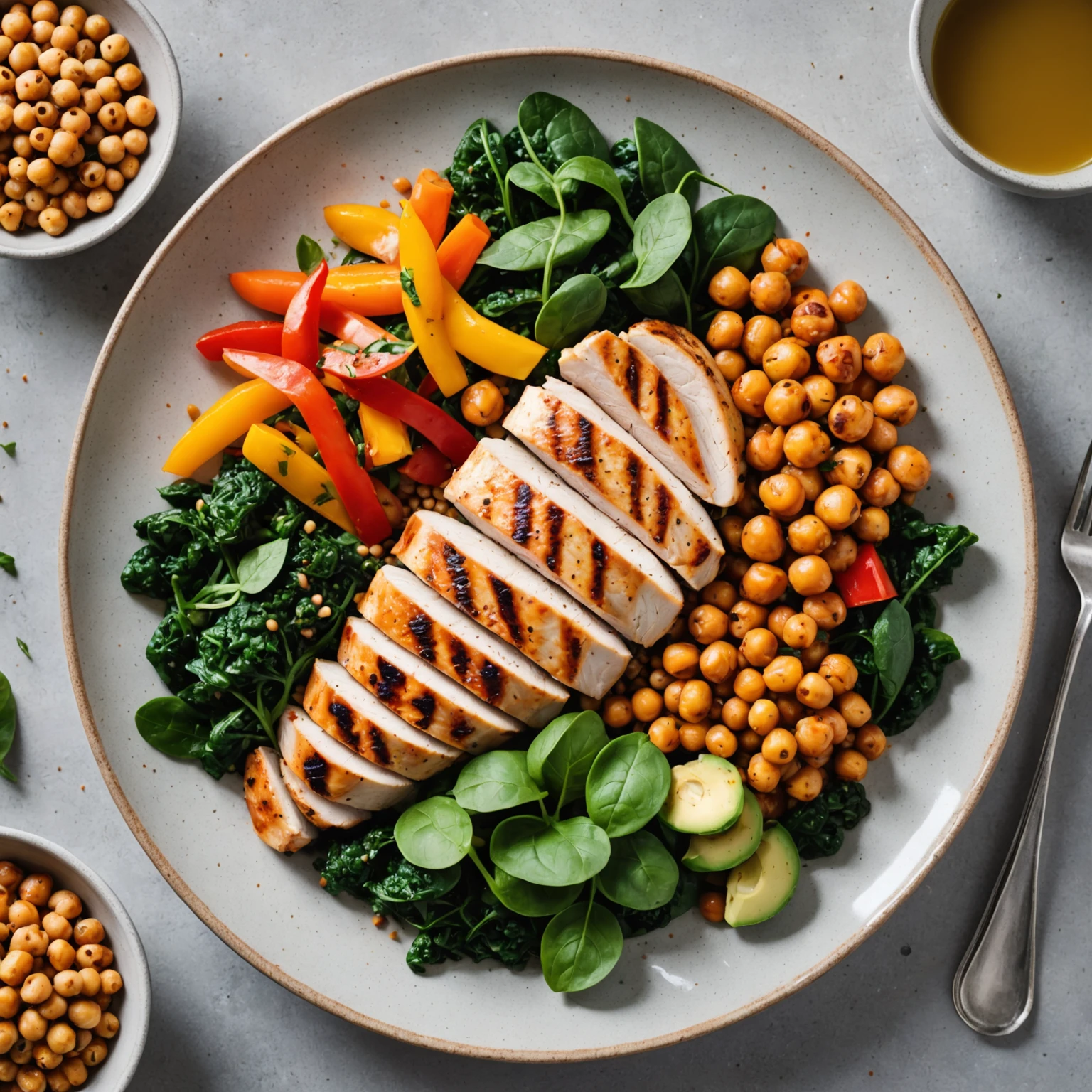
- Incorporate Complex Carbohydrates: Opt for whole grains, legumes, and fiber-rich vegetables paired with protein sources. The Spicy Chickpea and Quinoa Power Bowl is an excellent example integrating protein with nutrient-dense carbohydrates and fiber.
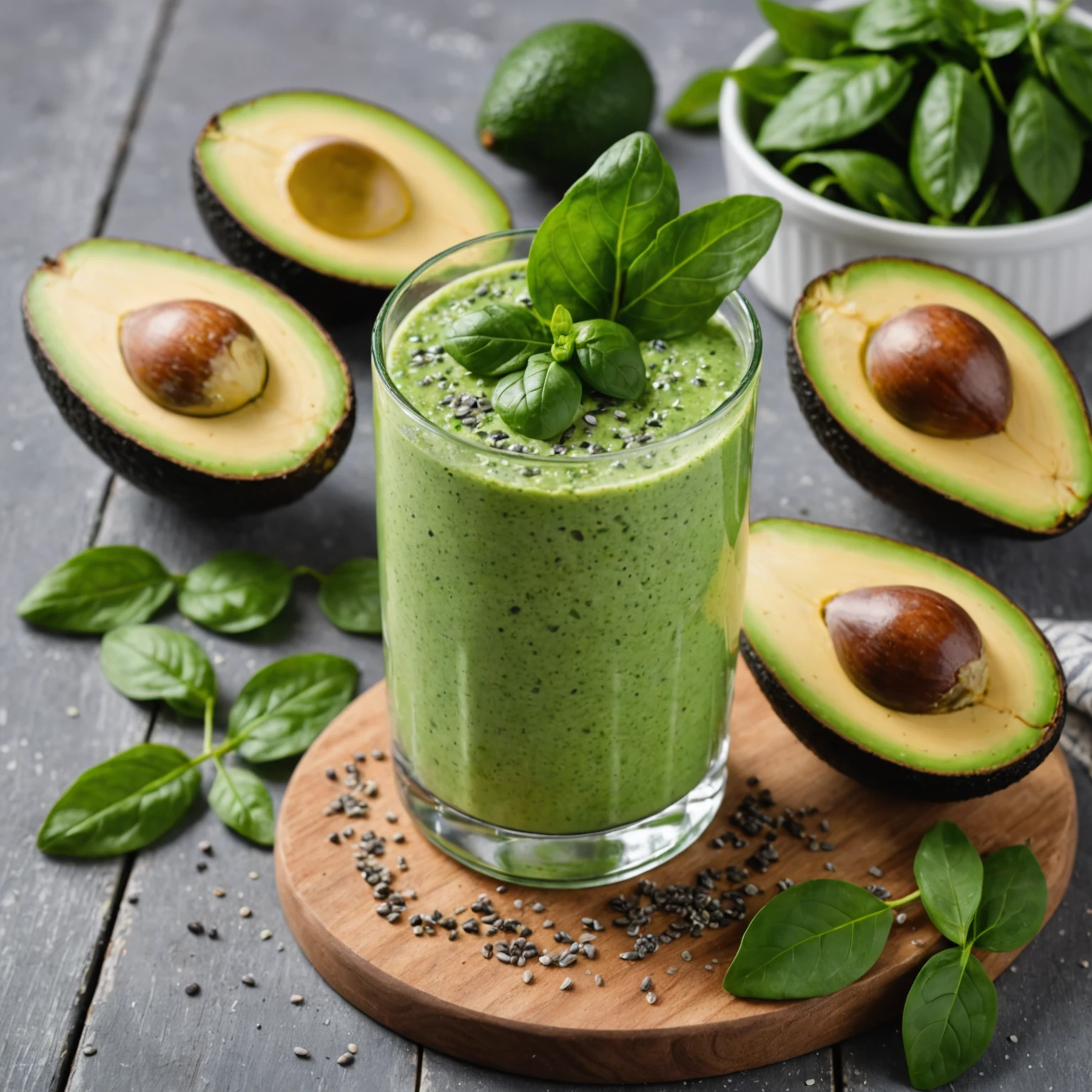
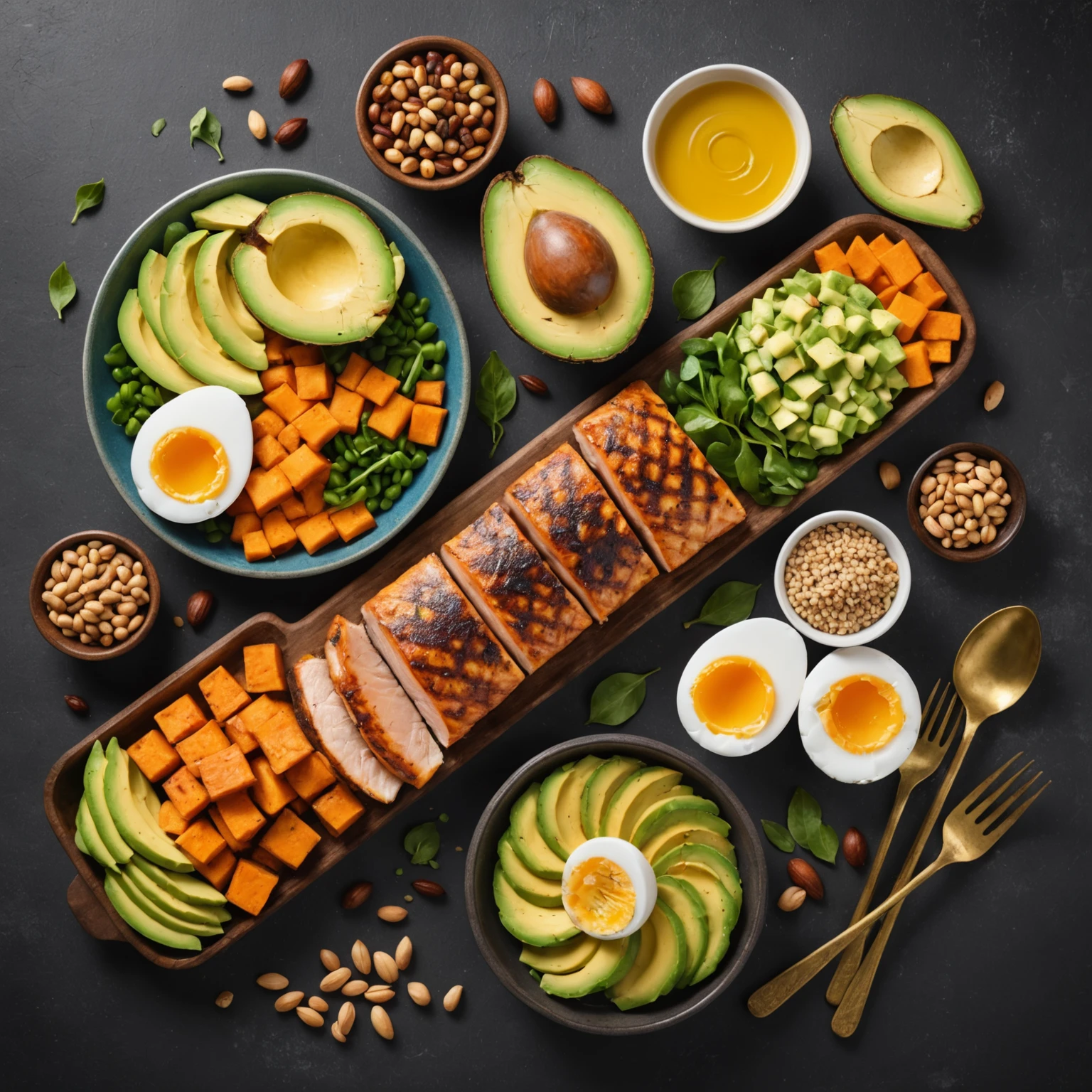
- Add fats: Include practical fats such as avocados, nuts, seeds, or extra virgin olive oil. These improve fat-soluble vitamin absorption, increase satiety, and support metabolic health.
- Tailor Macronutrient Ratios to Your Goals: Adjust according to your athletic focus:
Endurance: Prioritize carbohydrates for sustained energy. Muscle Growth: Balance protein intake with sufficient carbs and fats. Weight Management: Emphasize protein and fats while moderating carbohydrates.
- Optimize Nutrient Timing: Consume practical meals within 1–2 hours to maximize glycogen replenishment and stimulate muscle recovery.
Building a practical High-Protein Meal
- Choose quality protein sources such as legumes, lean poultry, tofu, or fish.
- Include a variety of colorful vegetables to deliver antioxidants, vitamins, and fiber.
- Add whole grains or starchy vegetables as complex carbohydrates.
- Incorporate measured portions of fats to complete macronutrient needs.
This combination promotes sustained energy, faster recovery, and nutritional completeness.
Personalizing Nutrition: Track, Evaluate, and Adapt
Individual responses to macronutrient balances vary. Maintaining a nutrition and performance log allows you to monitor energy levels, recovery quality, and overall progress—supporting data-driven adjustments to your diet.
Final Thoughts
Elevating athletic performance involves more than increasing protein intake. Balancing carbohydrates and fats with proteins lays the foundation for energy optimization, efficient recovery, and overall health. Embrace diverse, nutrient-rich foods to compose practical meals. For a practical example embodying these principles, try the Spicy Chickpea and Quinoa Power Bowl—a well-rounded, nutrient-packed power meal.
Refine your nutrition by mastering macronutrient harmony and fuel both your training and your life.
Related High-Protein Recipes to Try
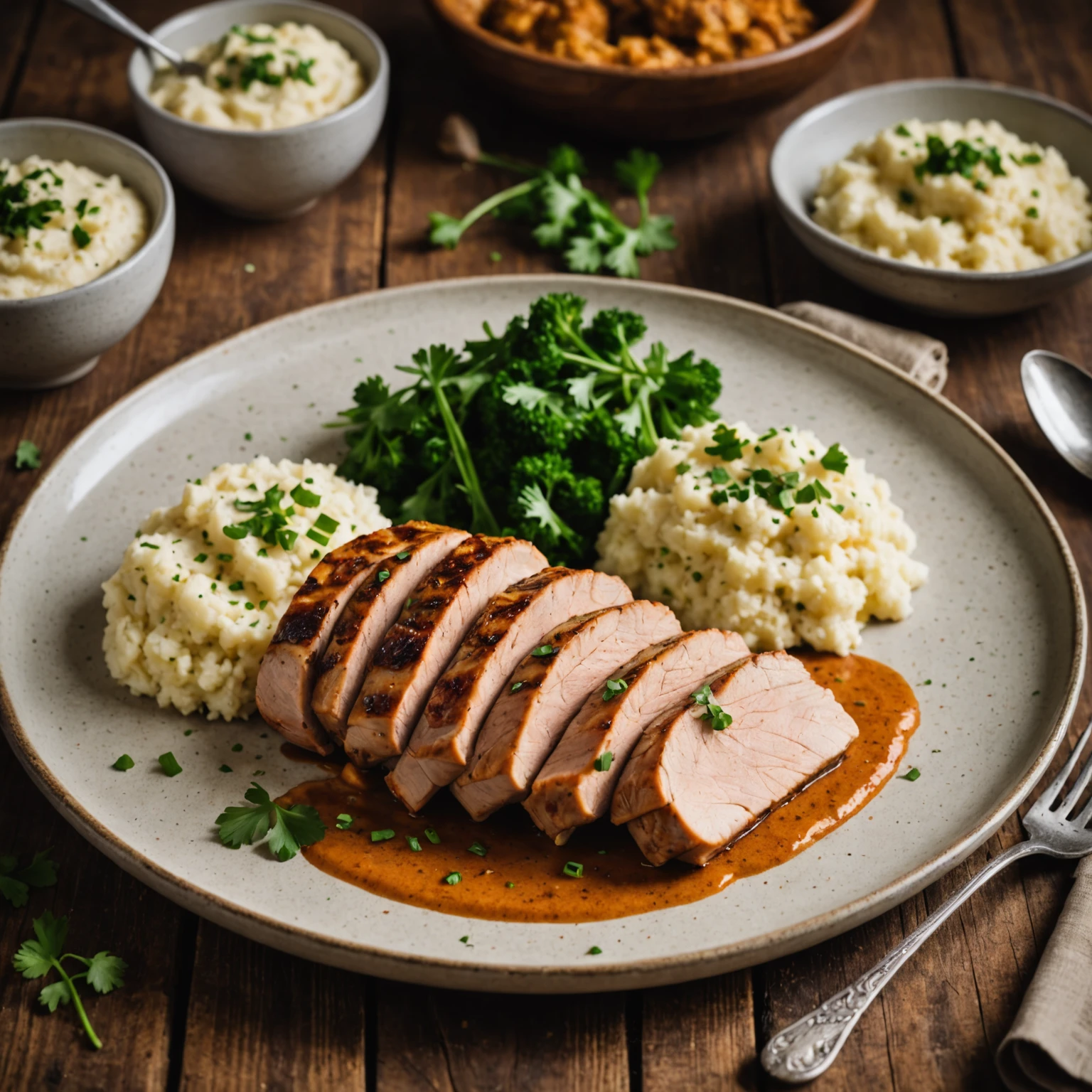
These pork recipes give readers more ways to balance protein, fats, vegetables, and carbohydrates.