 Powerproteinplates
Overview
Introduction.
Key Insights
Culinary traditions represent a convergence of culture, flavor, and nutrition, offering time-tested dietary frameworks that support balanced and wholesome eating. Mediterranean, Indian, and Southwest cuisines exemplify how diverse cultural approaches can harmonize rich flavor profiles with nutrient-dense ingredients, resulting in meals that are as nourishing as they are flavorful. This article explores the unique nutritional elements and culinary philosophies of these cuisines, illustrating how they contribute to dietary variety, nutrient balance, and long-term wellness.
Practical Tips
Mediterranean Cuisine: Emphasizing Whole Foods and Heart-Healthy Nutrition.
Common Pitfalls
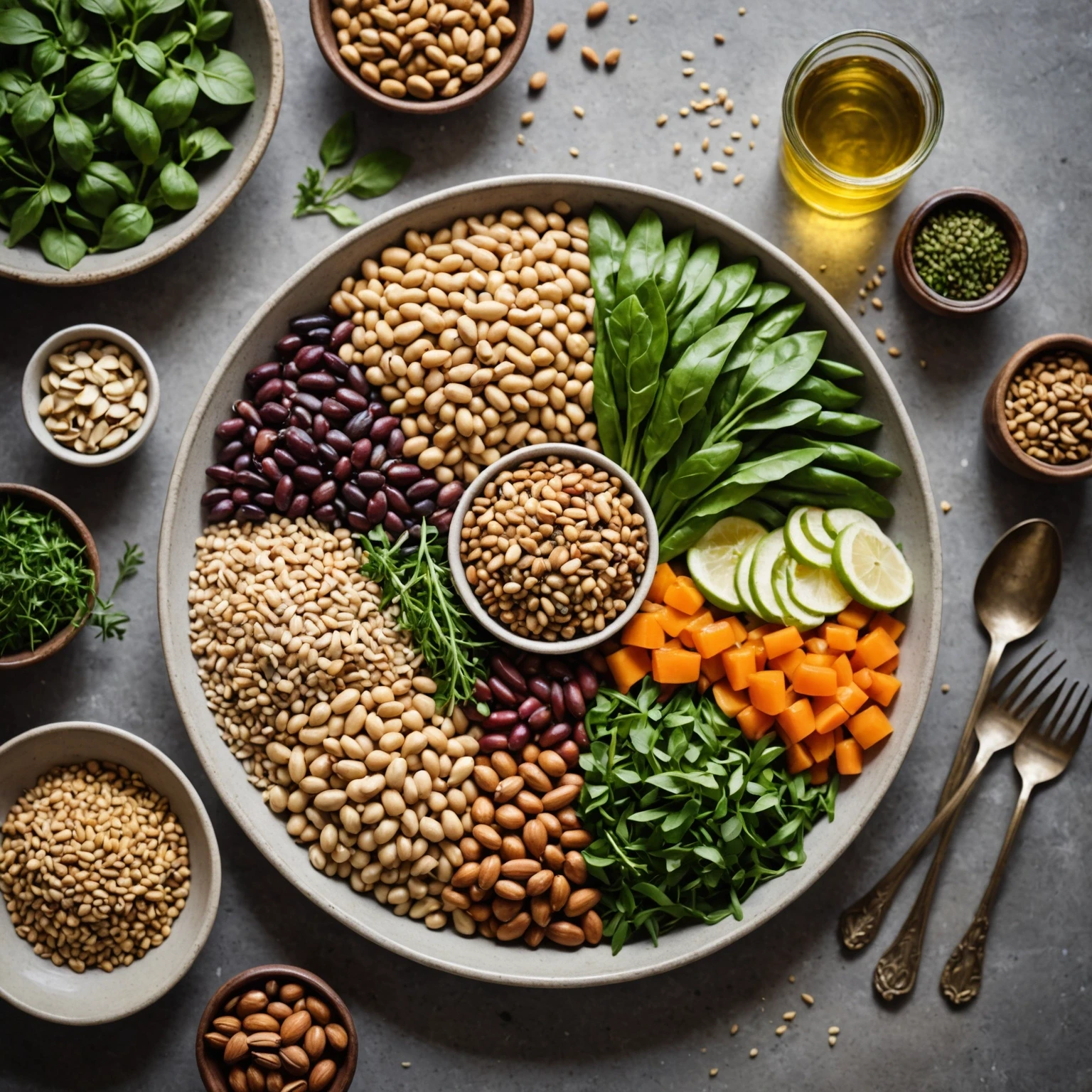
Mediterranean eating patterns prioritize whole grains, legumes, fresh vegetables, nuts, aromatic herbs, and heart-healthy olive oil, complemented by lean proteins such as fish and poultry. These meals incorporate antioxidants and anti-inflammatory compounds naturally present in herbs and citrus, which enhance flavor complexity while supporting cardiovascular health.
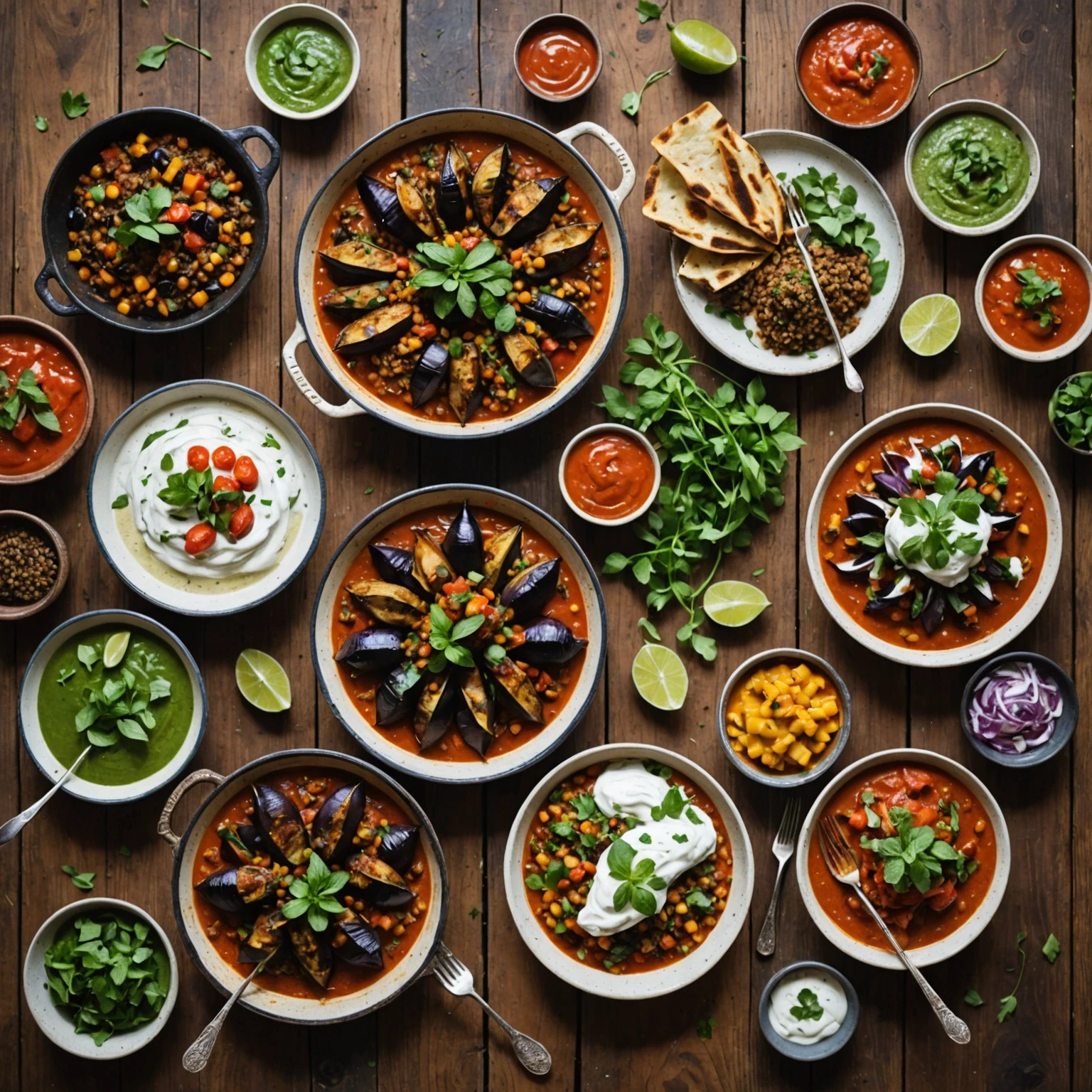
For a Mediterranean example built from legumes, vegetables, and a flavorful cheese finish, try Mediterranean Chickpea and Eggplant Stew with Feta Cheese. It shows how chickpeas, eggplant, and feta can create a balanced vegetarian protein plate.
For an Asian-inspired example of bold flavor in a protein-rich plate, try Szechuan Beef and Broccoli Stir-Fry. It pairs beef, broccoli, and a spicy sauce profile for a nutrient-dense meal that still feels lively and satisfying.
Related High-Protein Recipes to Try
These vegetarian recipes connect global flavors with balanced, nutrient-rich plates.
- Crispy Baked Zucchini Fries with Garlic Parmesan Dip
- Paleo Spiced Cauliflower and Walnut Patties with Tahini Drizzle
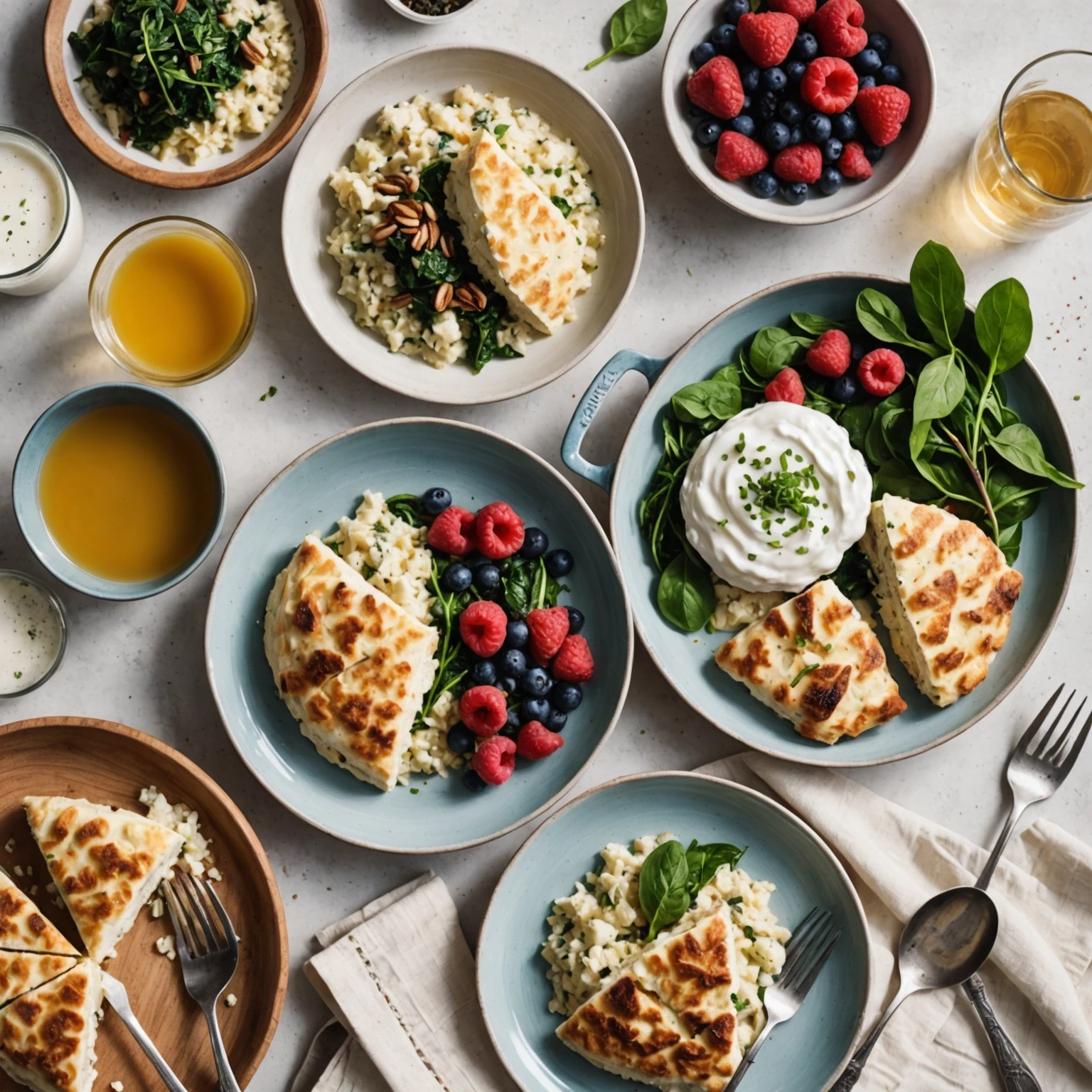
- Mediterranean Chickpea and Feta Savory Scones
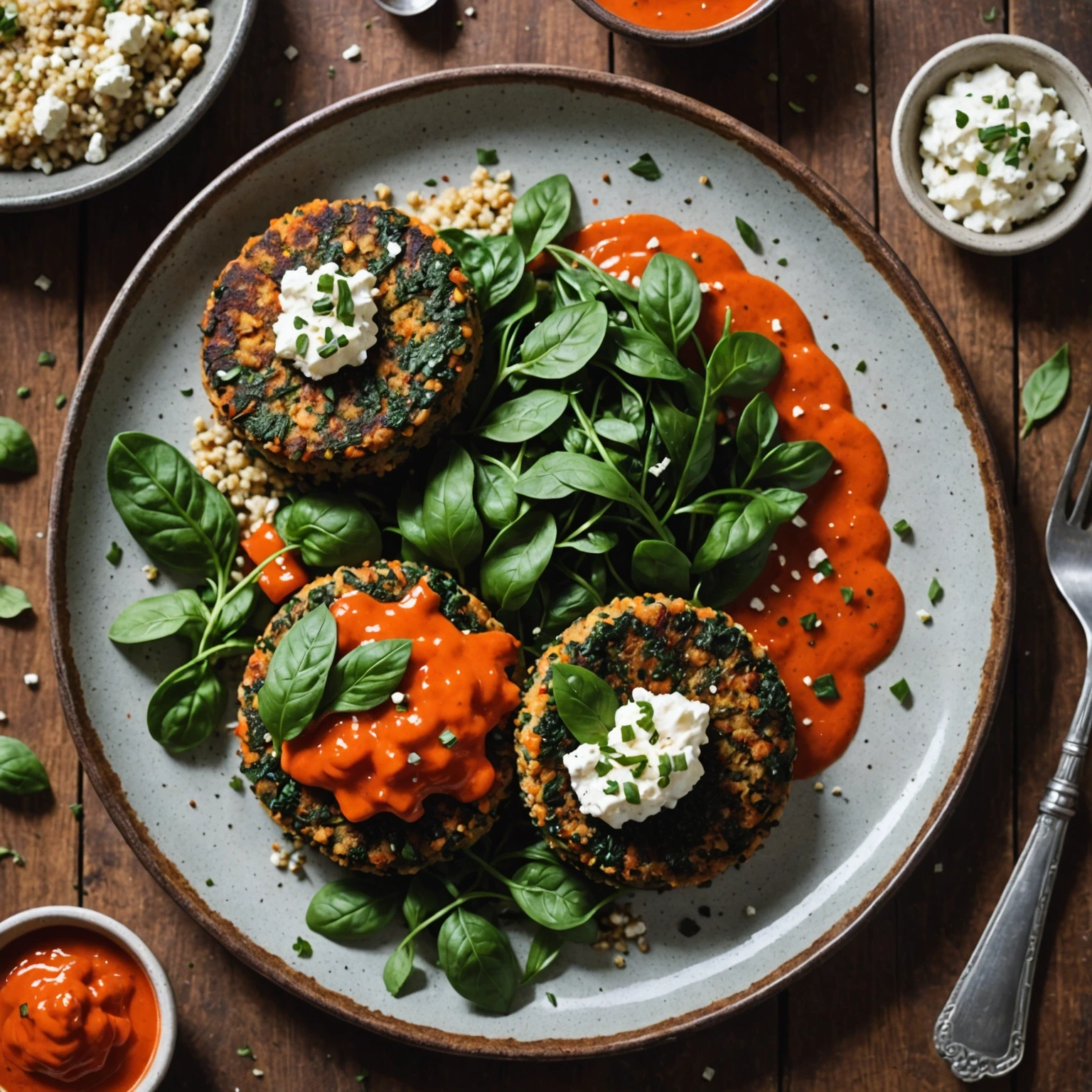
- Mediterranean Chickpea and Spinach Savory Protein Pancakes with Tahini Drizzle
- Moroccan Chickpea and Carrot Tagine Meatless Burgers
- Low-Carb Mediterranean Stuffed Portobello Mushrooms
- Pumpkin and Black Bean Chili Pot Pie Recipe
- Savory Mediterranean Herb Baked Quinoa and Feta Biscuits
- Low-Carb Mediterranean Stuffed Artichoke Hearts
- Stuffed Zucchini Boats with Spiced Quinoa and Chickpeas