The Role of Visual Presentation in Enhancing Protein Meal Satisfaction
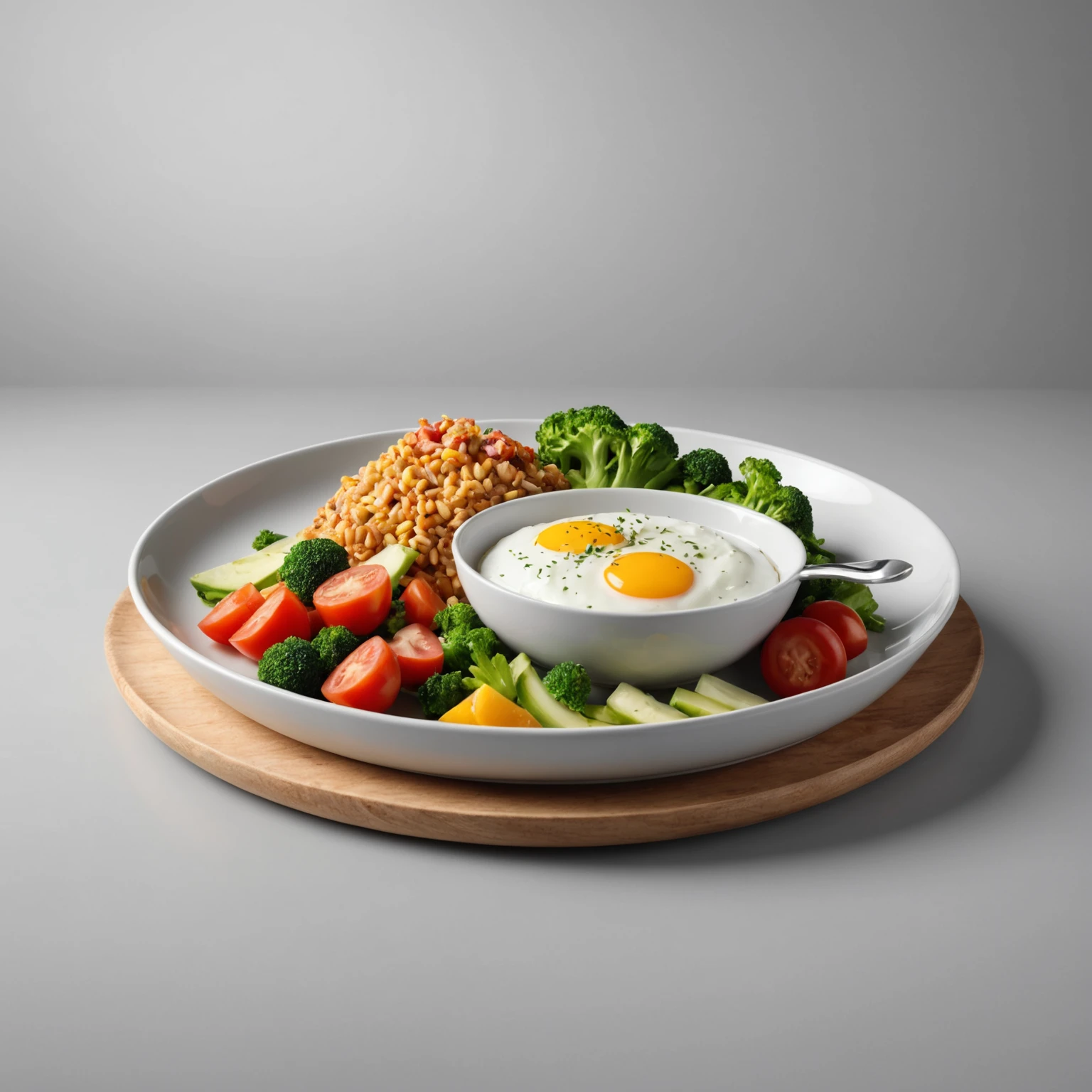
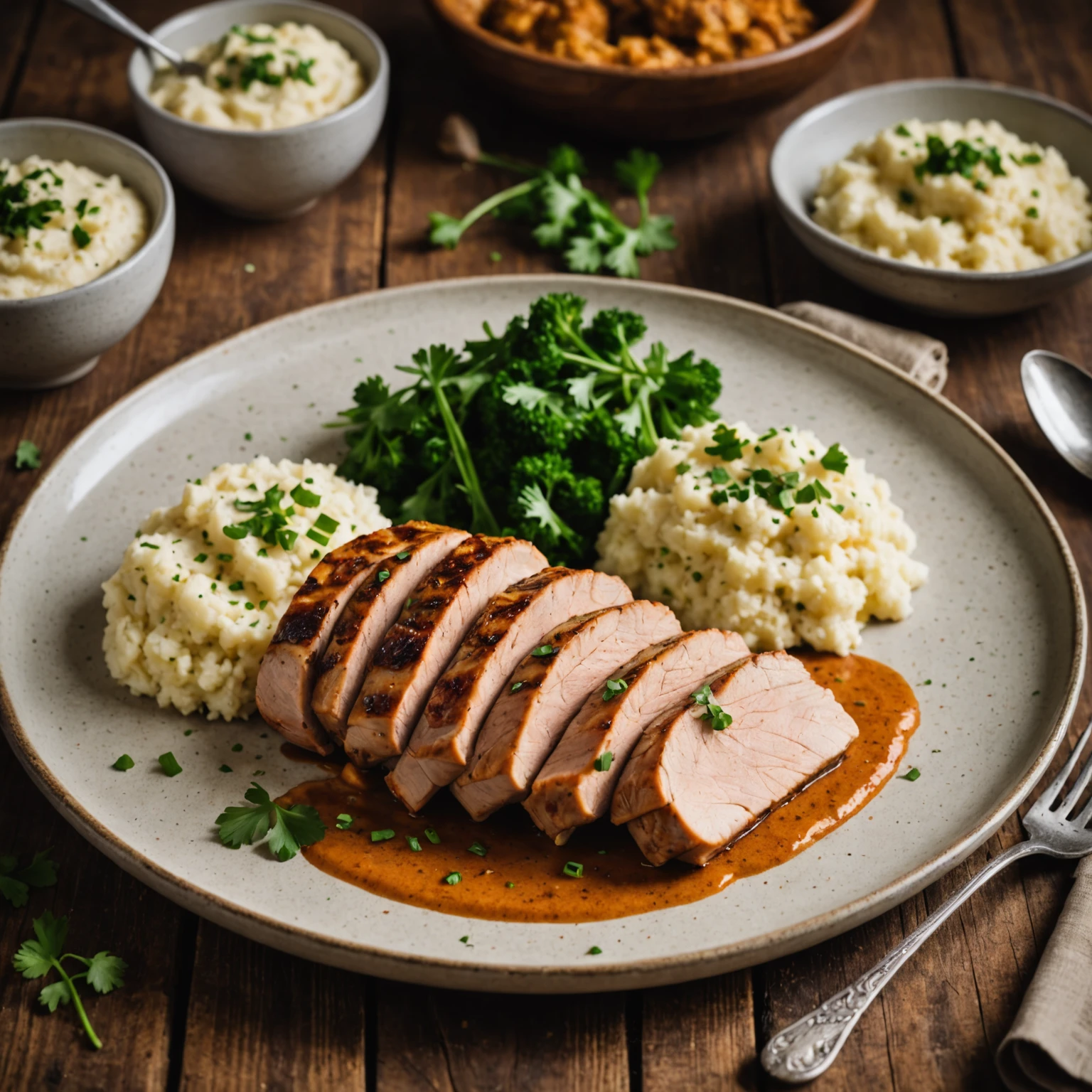
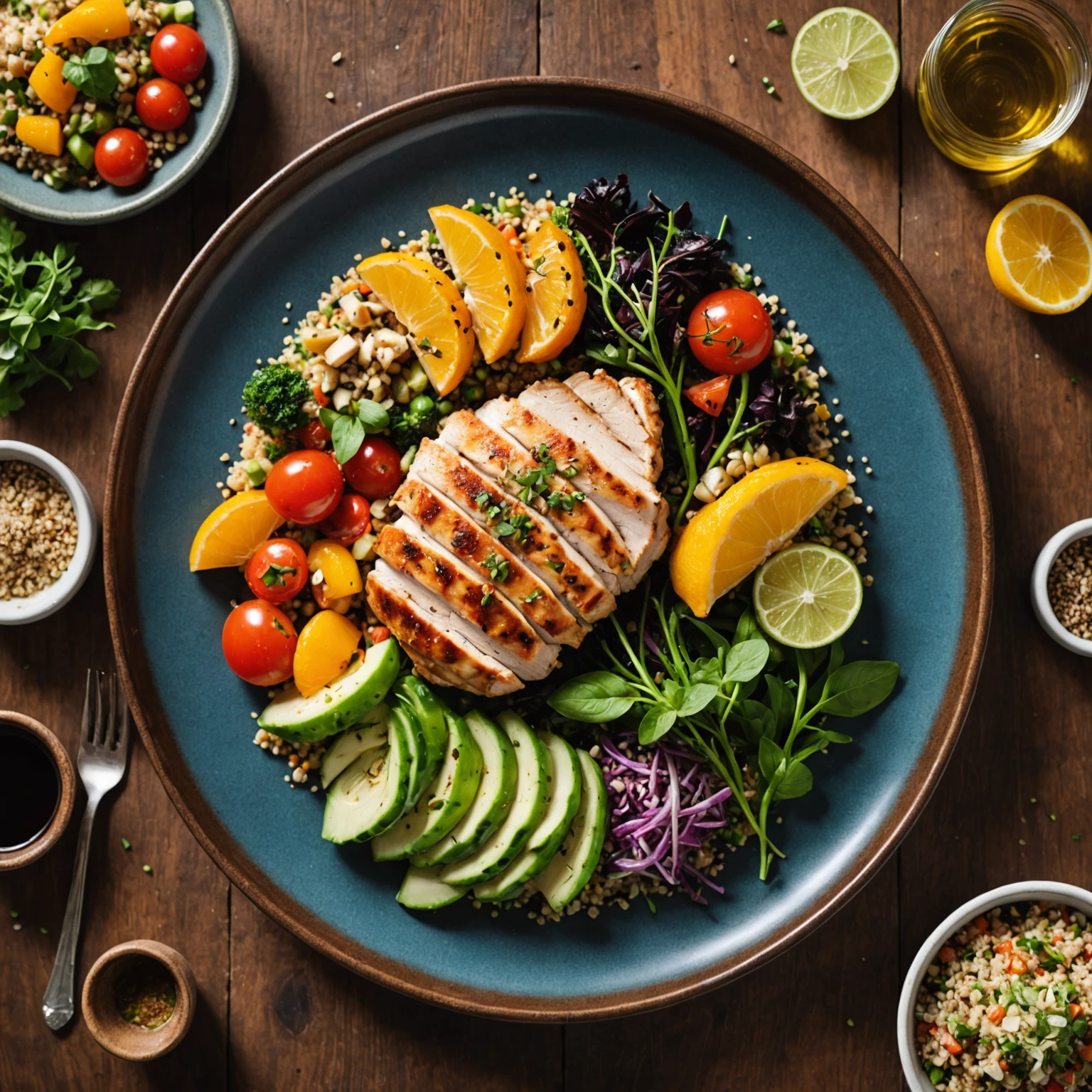
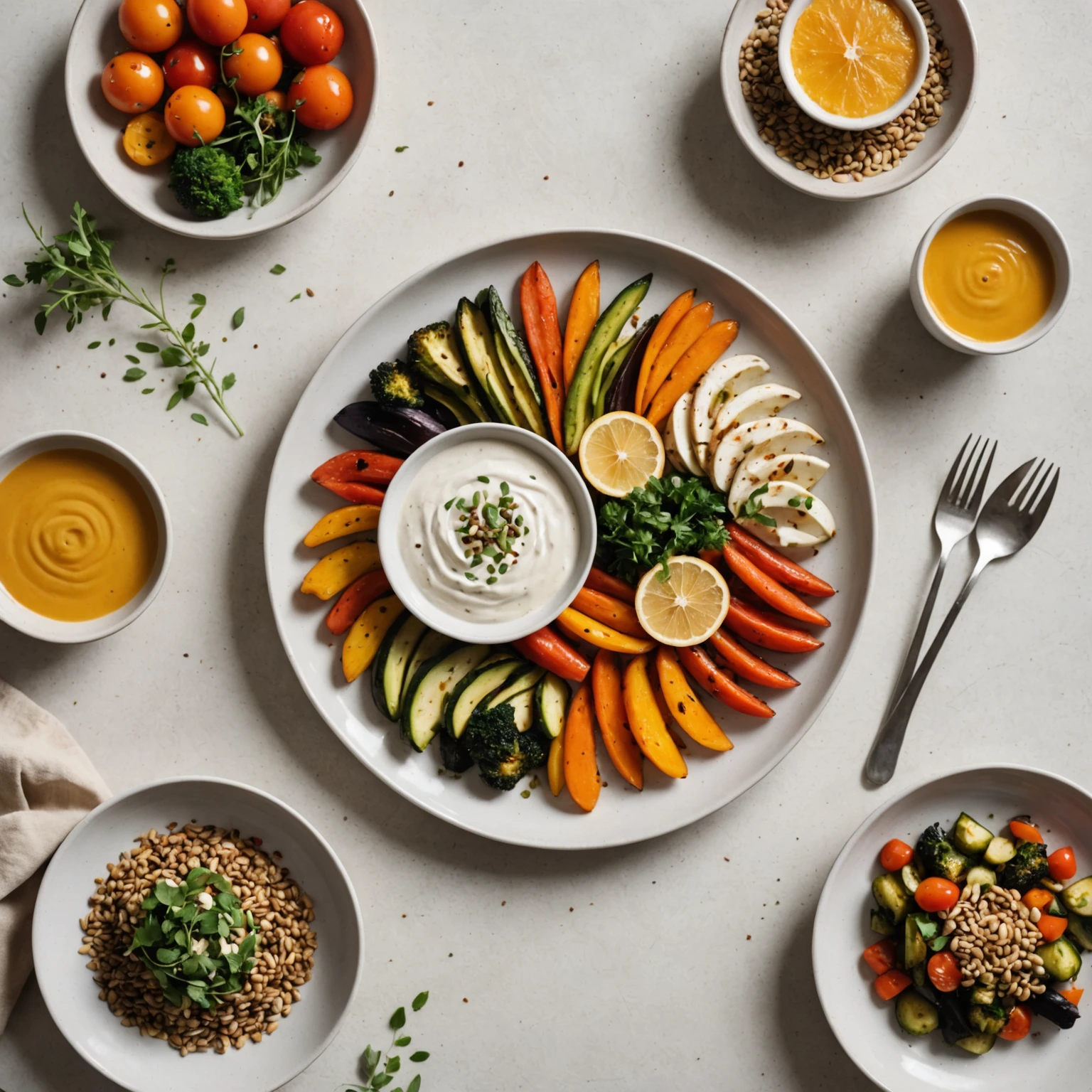
The visual presentation of a meal is crucial in shaping our initial perceptions and overall enjoyment. Research in sensory science highlights that meals featuring vibrant, contrasting colors and thoughtfully arranged components can elevate anticipation and enhance flavor perception. For protein-focused dishes, integrating colorful vegetables, creative plating patterns, and varied ingredient shapes transforms standard meals into visually stimulating experiences. This intentional approach encourages consistent intake of practical, protein-rich foods by making meals more inviting and rewarding.
Texture Diversity: Elevating Sensory Engagement and Satiety
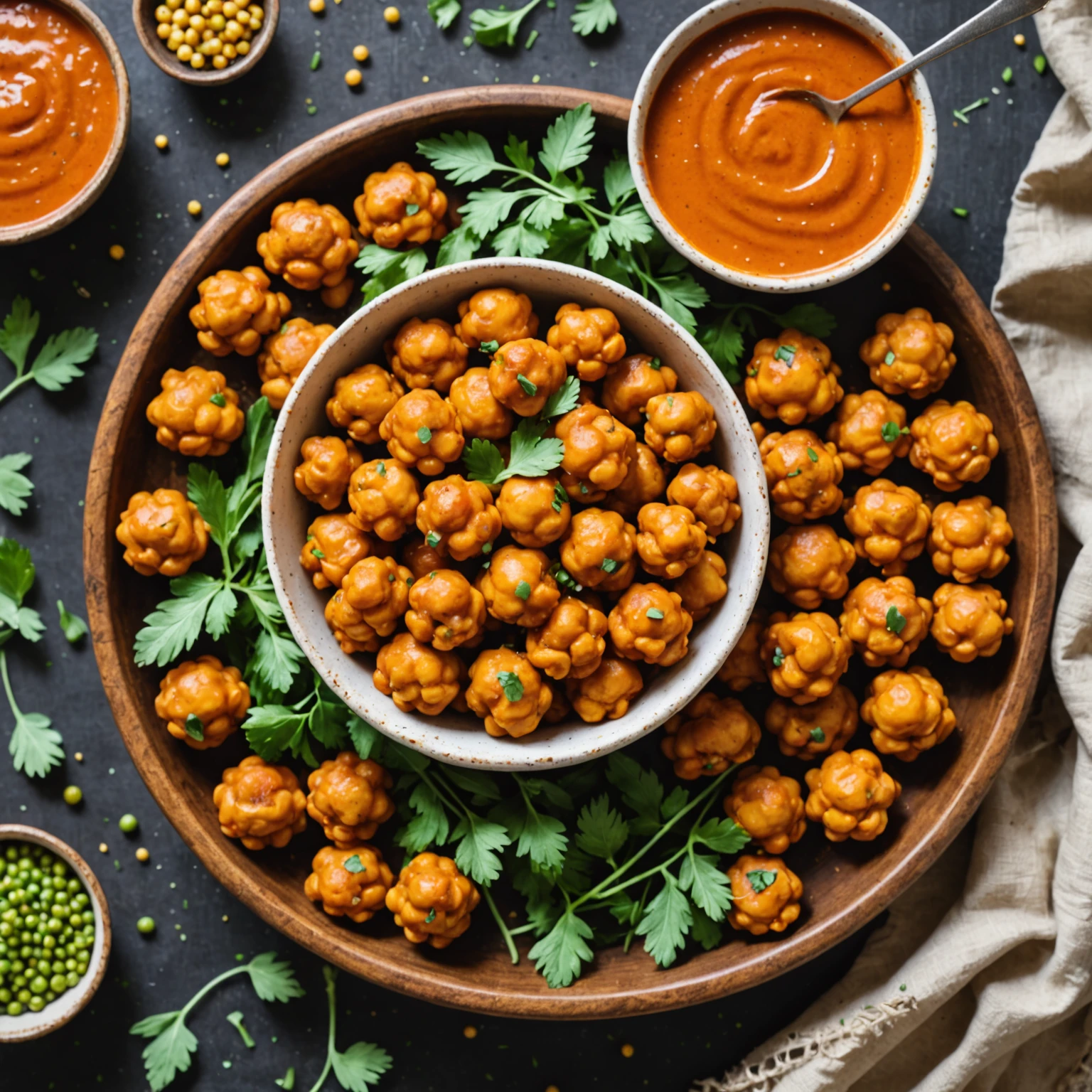
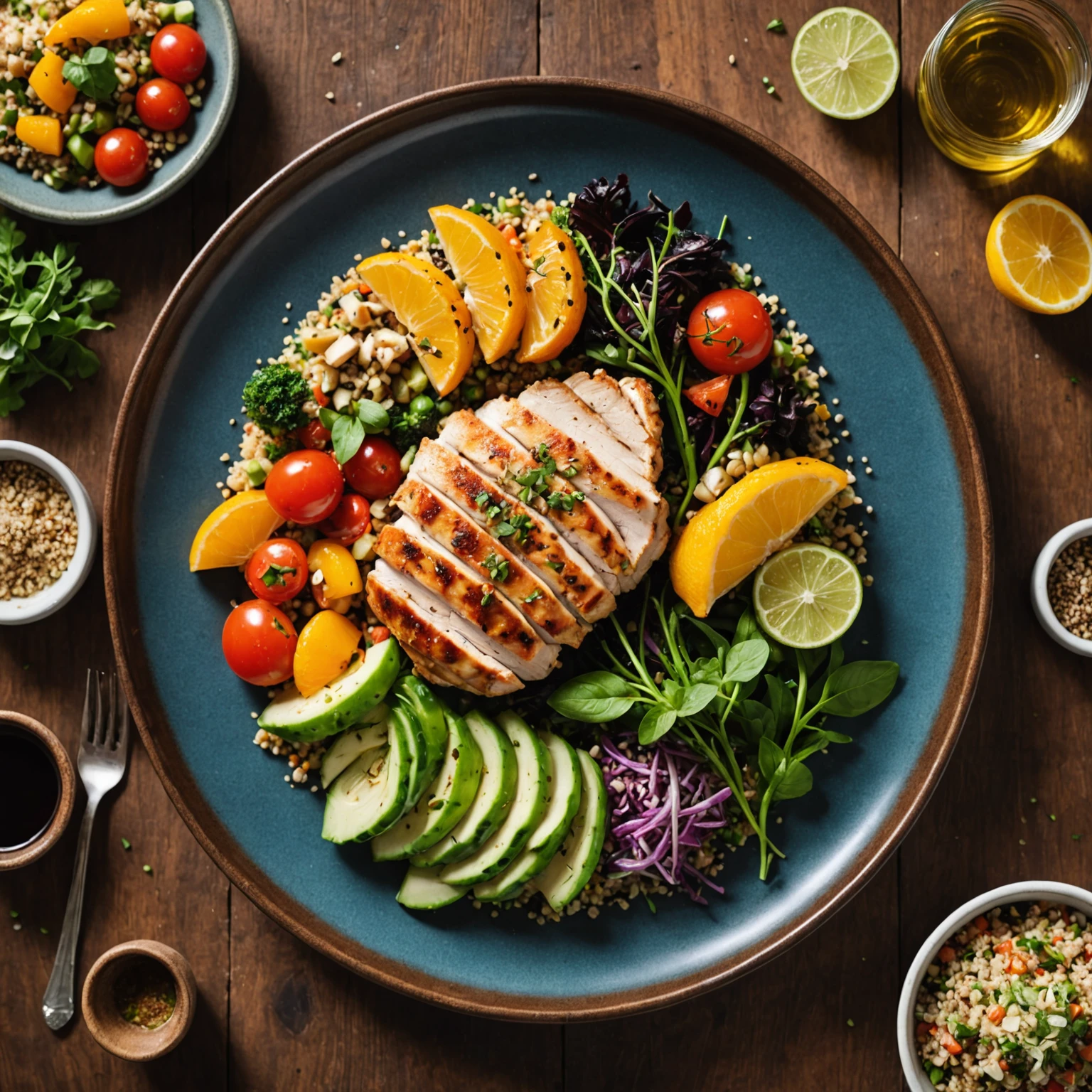
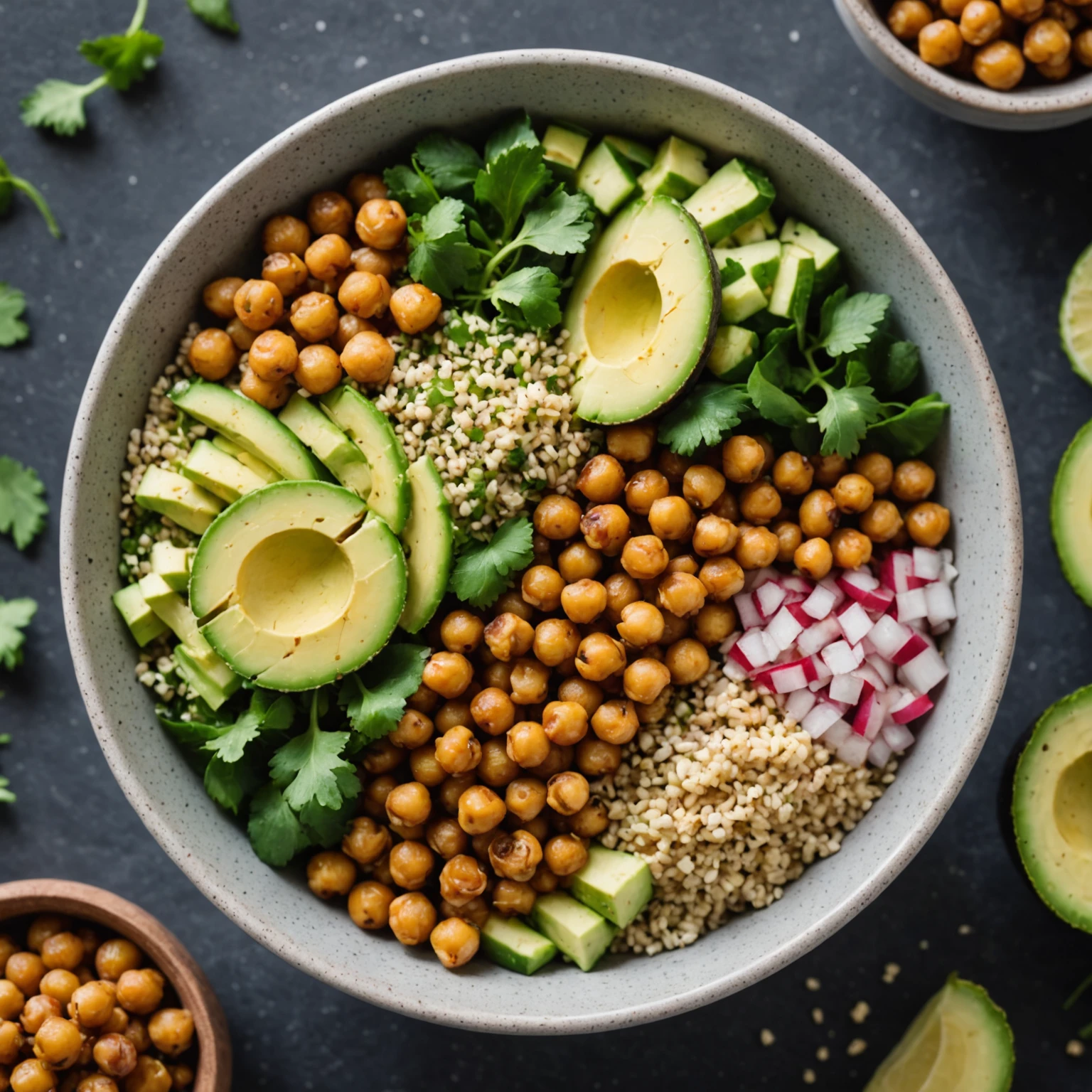
Texture plays a vital role in how we perceive and satisfy hunger. Combining elements such as crunchiness, creaminess, tenderness, and chewiness enriches mouthfeel and contributes to feelings of fullness and digestive comfort. Varied textures naturally slow eating pace and foster mindful consumption, which has been linked to improved digestion and moderated intake. For instance, the Spicy Chickpea and Quinoa Power Bowl pairs crunchy legumes and crisp vegetables with fluffy grains, offering complex textures that enhance satisfaction. Similarly, the Grilled Lemon Herb Chicken with Roasted Vegetables features tender proteins practical with the crispness of roasted vegetables, creating a pleasing textural contrast.
Effective Strategies to Improve Meal Presentation and Texture
- Select Contrasting Tableware: Use serving dishes that provide a stark contrast to food colors to make meals more visually vibrant.
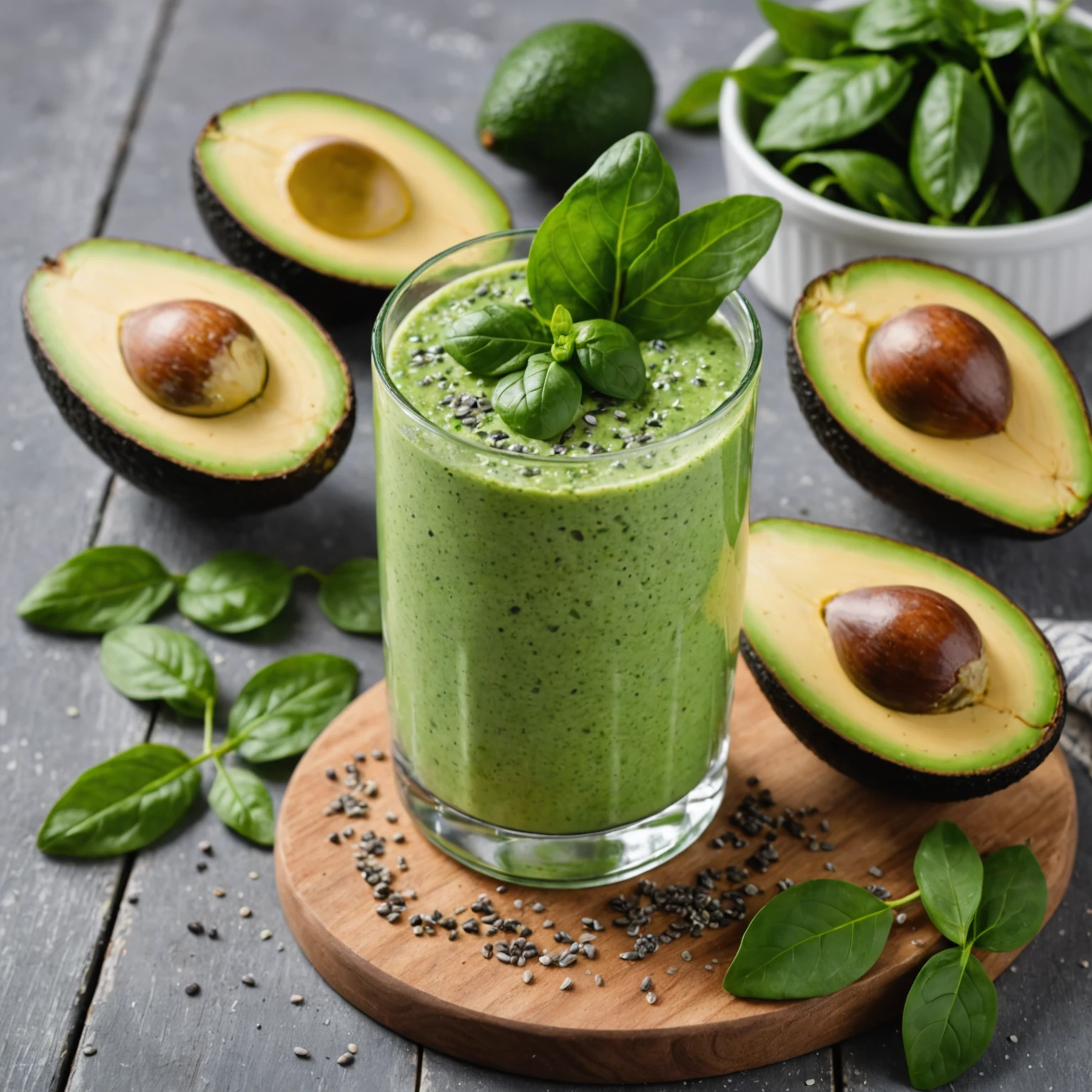
- Mix Textural Components: Combine creamy elements like avocados or dips with crunchy additions such as nuts or seeds to amplify mouthfeel variety.
- Incorporate Fresh Garnishes: Utilize herbs, citrus zest, or toasted spices for bursts of color and subtle texture enhancements.
- Serve Manageable Portions: Present food in neat, thoughtful portions to promote mindful eating and prevent excessive consumption.
Integrating Mindful Eating to Amplify Sensory and Nutritional Benefits
Mindful eating emphasizes slowing down to fully experience flavors, textures, and aromas while paying attention to internal hunger and fullness signals. This practice deepens sensory enjoyment and supports better digestive responses by encouraging awareness of texture contrasts — like crisp vegetables or creamy sauces — enhancing the overall nourishment experience and reducing overeating risks.
Universal Application Across Dietary Styles
The principles of presentation and texture diversity apply broadly, benefiting various dietary preferences including plant-based and omnivorous meals. The Spicy Chickpea and Quinoa Power Bowl exemplifies this by creatively integrating legumes, grains, and vegetables for a colorful and texturally engaging plant-based option. Likewise, the Grilled Lemon Herb Chicken with Roasted Vegetables appeals to those consuming animal proteins through harmonious textural balance.
Conclusion
Prioritizing thoughtful visual and textural enhancements elevates protein meal enjoyment, transforming practical eating from a routine to a gratifying experience. These sensory-centered strategies foster greater meal adherence, promote digestive health, and increase overall satisfaction with everyday nutrition. Embrace mindful eating and these presentation techniques to unlock deeper pleasure and wellbeing in your protein-rich meals.
For a high-protein meal where texture does a lot of the work, try Chipotle Lime Turkey Lettuce Wraps with Avocado. Crisp lettuce, seasoned turkey, lime, and creamy avocado make the plate feel fresh and satisfying.
Related High-Protein Recipes to Try
These snacks add crunch, creaminess, and variety while keeping protein at the center.