Introduction
The increasing popularity of plant-based diets among athletes and active individuals highlights the importance of understanding how plant proteins can effectively support muscle fueling. Unlike animal proteins, which naturally contain all essential amino acids, plant proteins vary in amino acid composition and digestibility. This article explores plant protein quality fundamentals and shares evidence-based strategies to optimize nutrition for muscle repair, growth, and sustained energy.
Defining Protein Quality: Amino Acid Completeness and Digestibility
Protein quality depends primarily on two factors: the presence of all nine essential amino acids and the efficiency of protein digestion and absorption. Essential amino acids cannot be synthesized by the body and must be obtained from food. Complete proteins include all these amino acids in adequate amounts. Animal proteins generally meet this requirement, while many plant proteins have one or more limiting amino acids, making them incomplete individually.
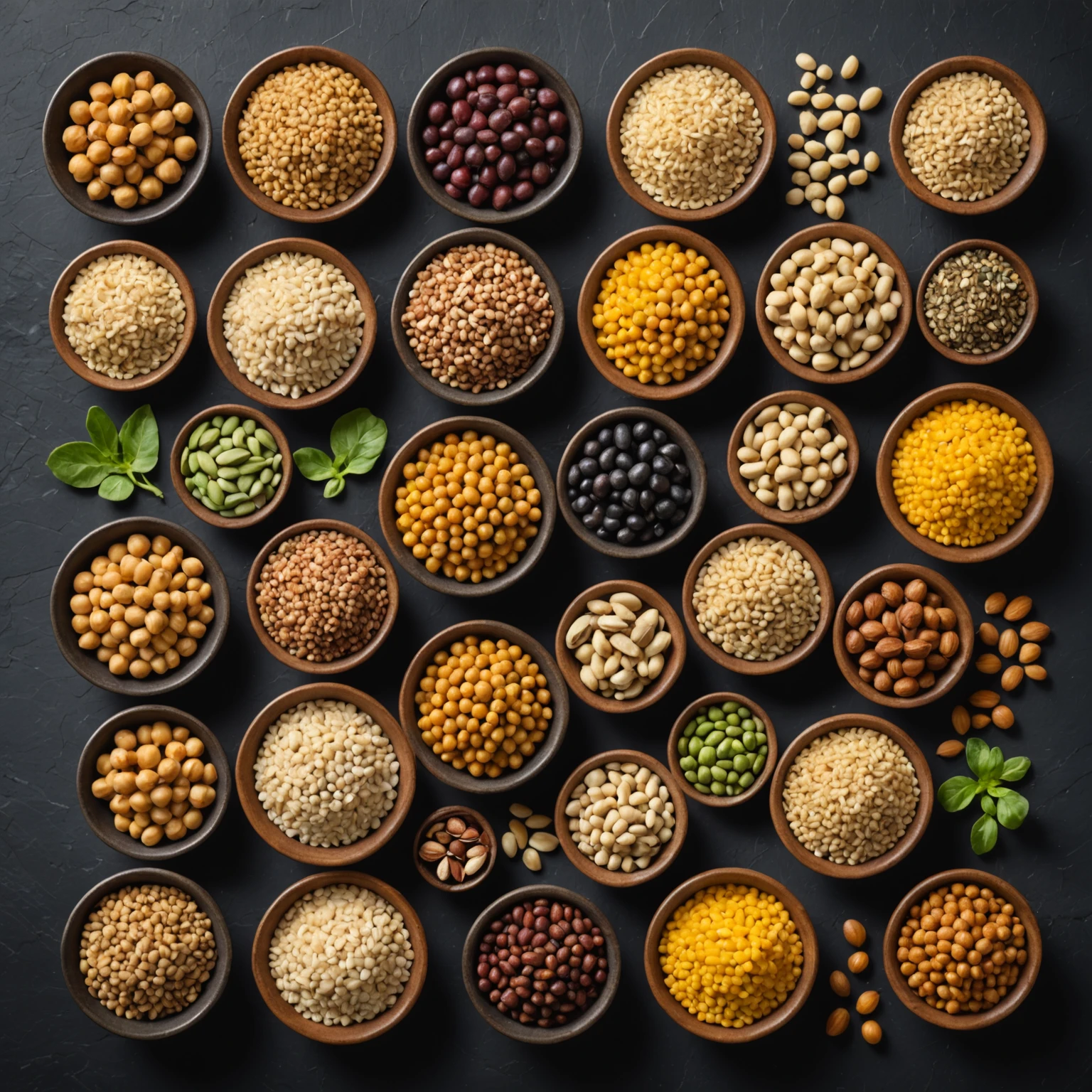
Digestibility also plays a crucial role. Plant proteins can be accompanied by fiber and phytates that reduce protein breakdown and absorption. However, culinary techniques such as soaking, fermenting, and cooking are effective in enhancing digestibility and increasing nutrient availability.
Amino Acid Profiles of Common Plant Protein Sources
- Legumes (e.g., chickpeas, lentils, black beans): High in lysine but often limited in methionine.
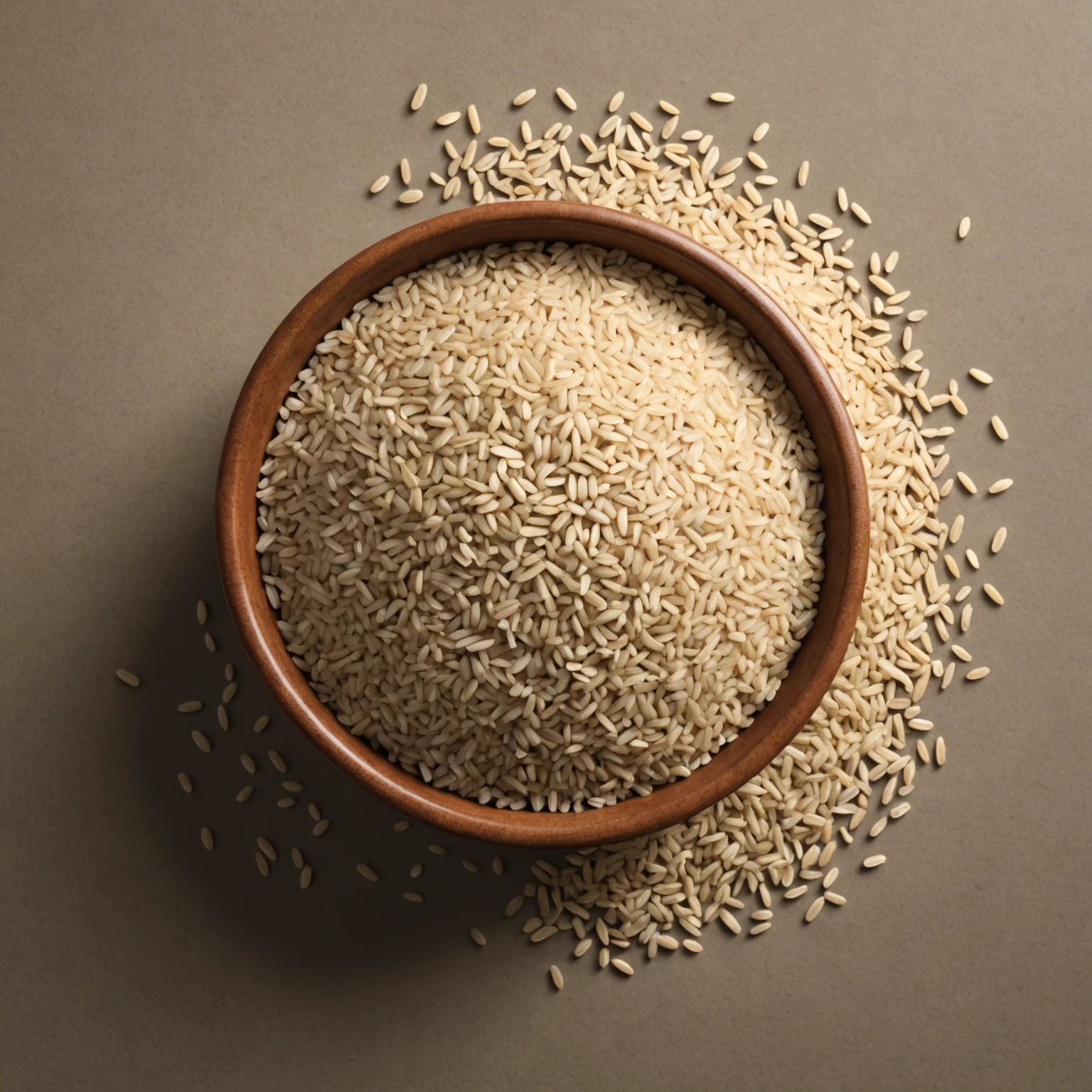
- Grains (e.g., quinoa, brown rice, oats): Rich in methionine but typically lower in lysine.
- Nuts and Seeds: Provide protein and fats, with varied amino acid profiles.
- Soy and Quinoa: Naturally complete proteins that supply all essential amino acids.
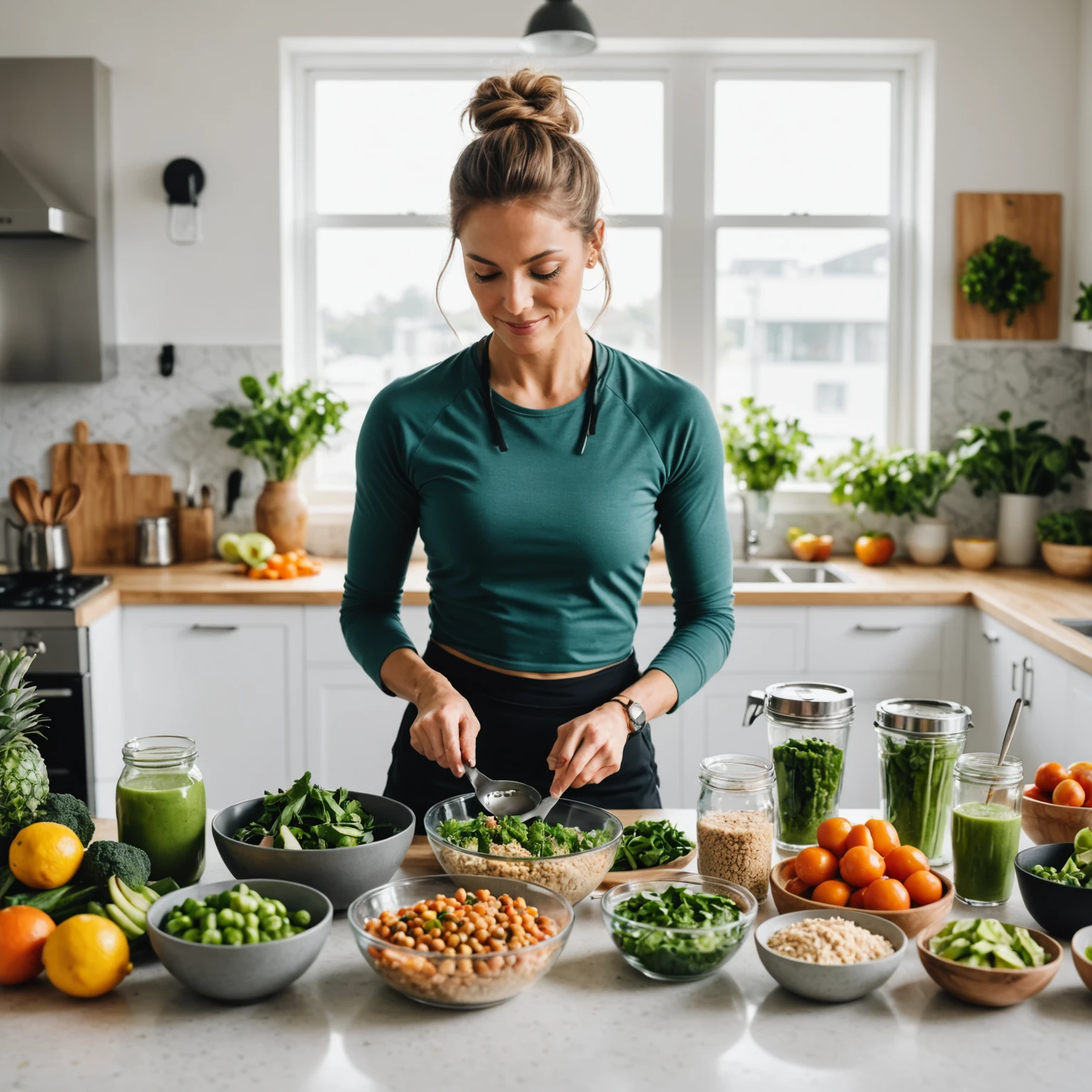
Being aware of these profiles helps in planning practical plant-based nutrition that covers all amino acid needs.
Effective Strategies for Achieving Complete Plant-Based Protein Nutrition
Completing amino acid profiles is achievable by combining complementary plant proteins. It’s important to note that these combinations don’t need to occur in the same meal but across the day. Examples include:
- Pairing legumes with grains (such as lentils and brown rice)
- Mixing nuts or seeds with legumes or grains
- Regularly incorporating complete proteins like soy products and quinoa
These approaches promote efficient muscle protein synthesis and replenish energy stores essential for athletic performance.
Practical Guidelines to Maximize Muscle-Fueling from Plant Proteins
- Diversify Your Protein Sources: Include a variety of legumes, whole grains, nuts, seeds, and soy-based foods to ensure comprehensive amino acid coverage.
- Enhance Digestibility: Utilize preparation methods like soaking and fermenting legumes and grains to improve protein bioavailability.
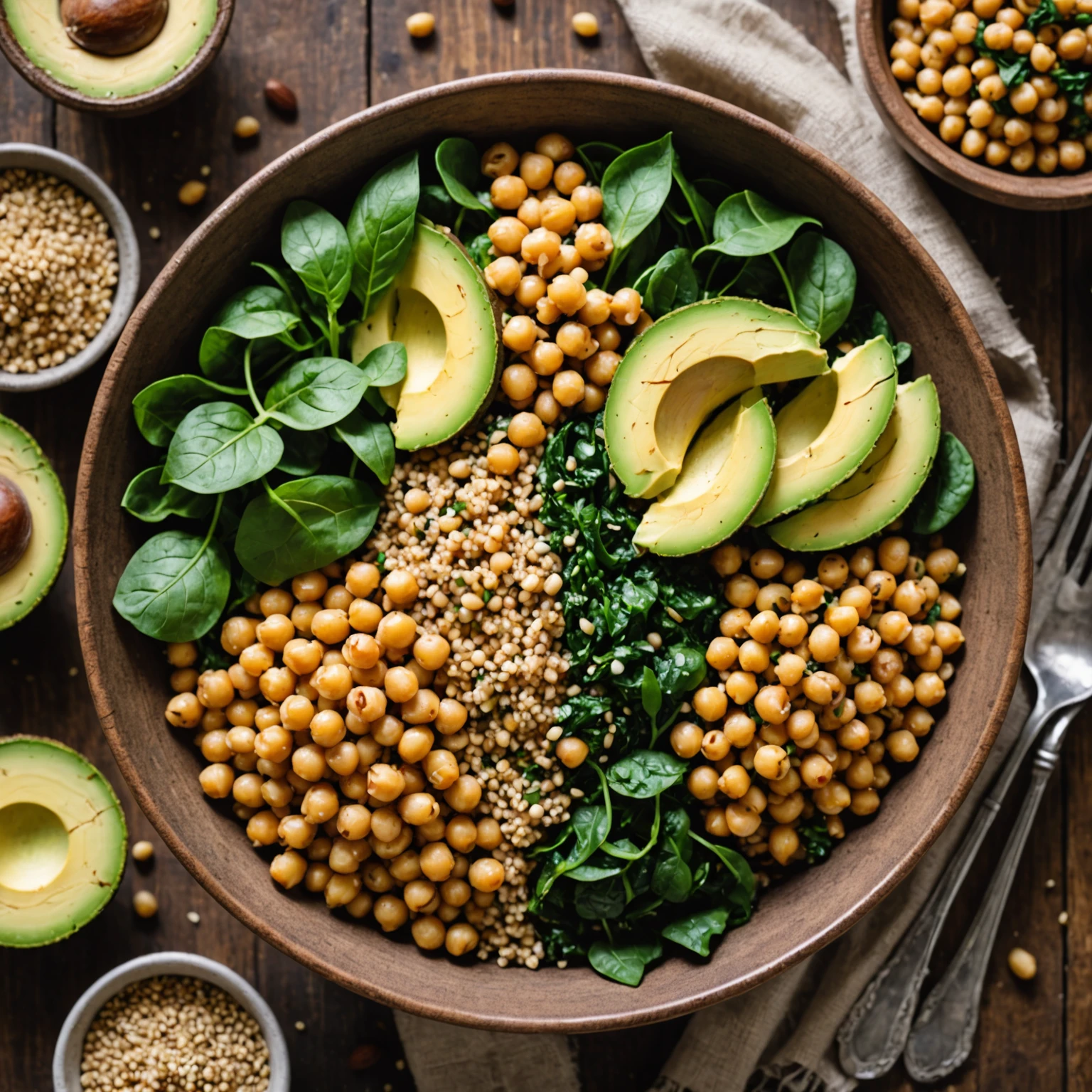
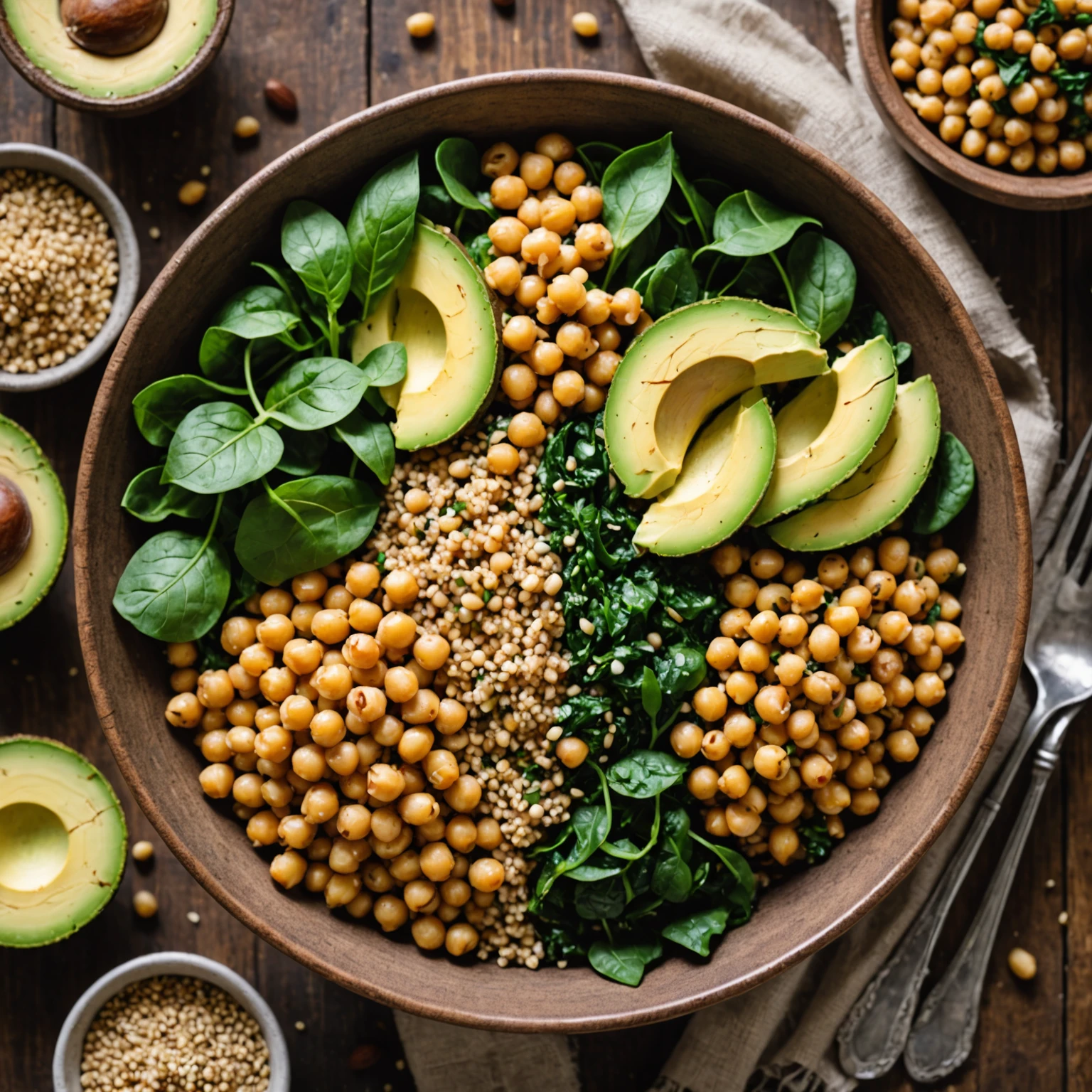
- Plan practical Meals: Preparing nutrient-dense meals ahead of time, such as the Spicy Chickpea and Quinoa Power Bowl, provides practical muscle fueling.
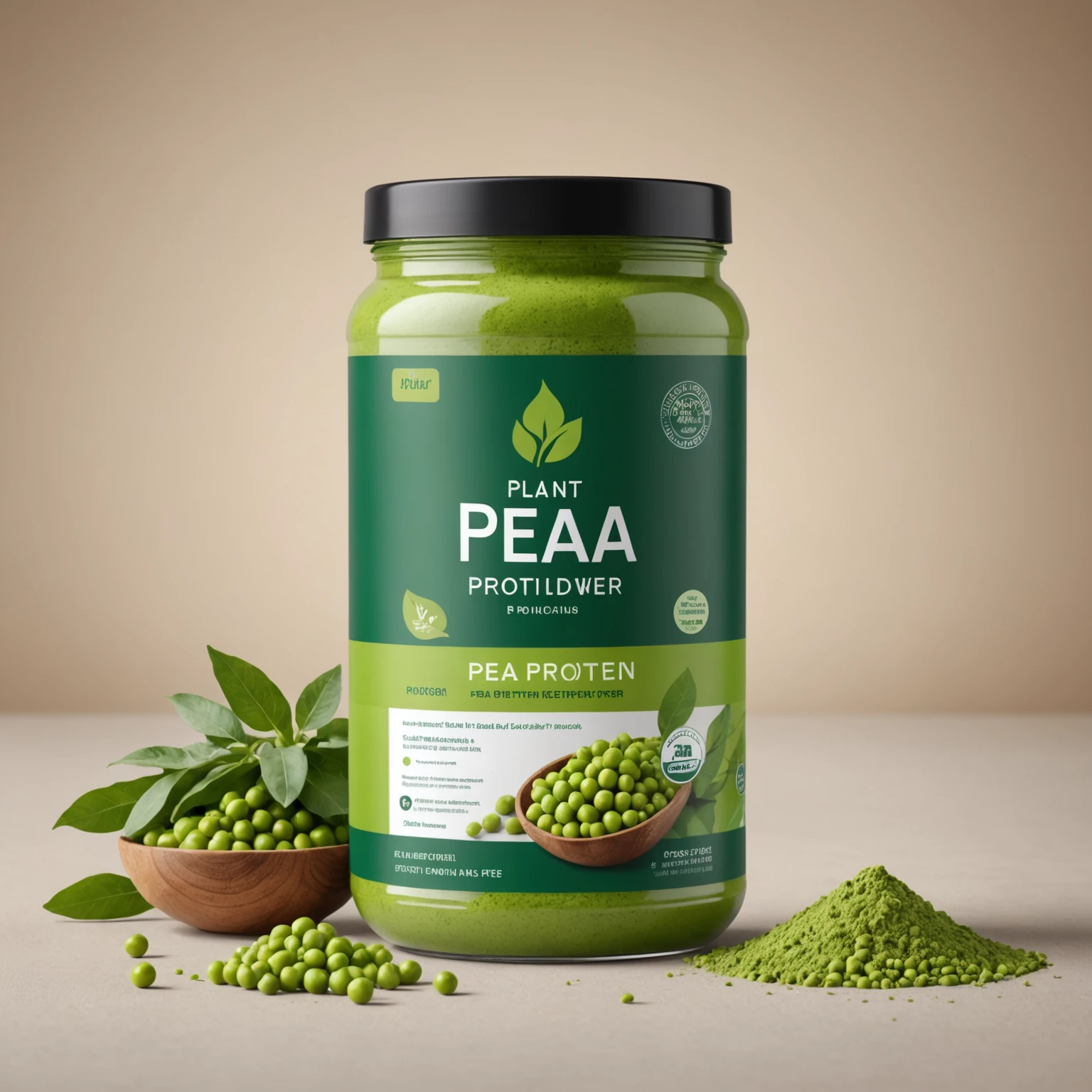
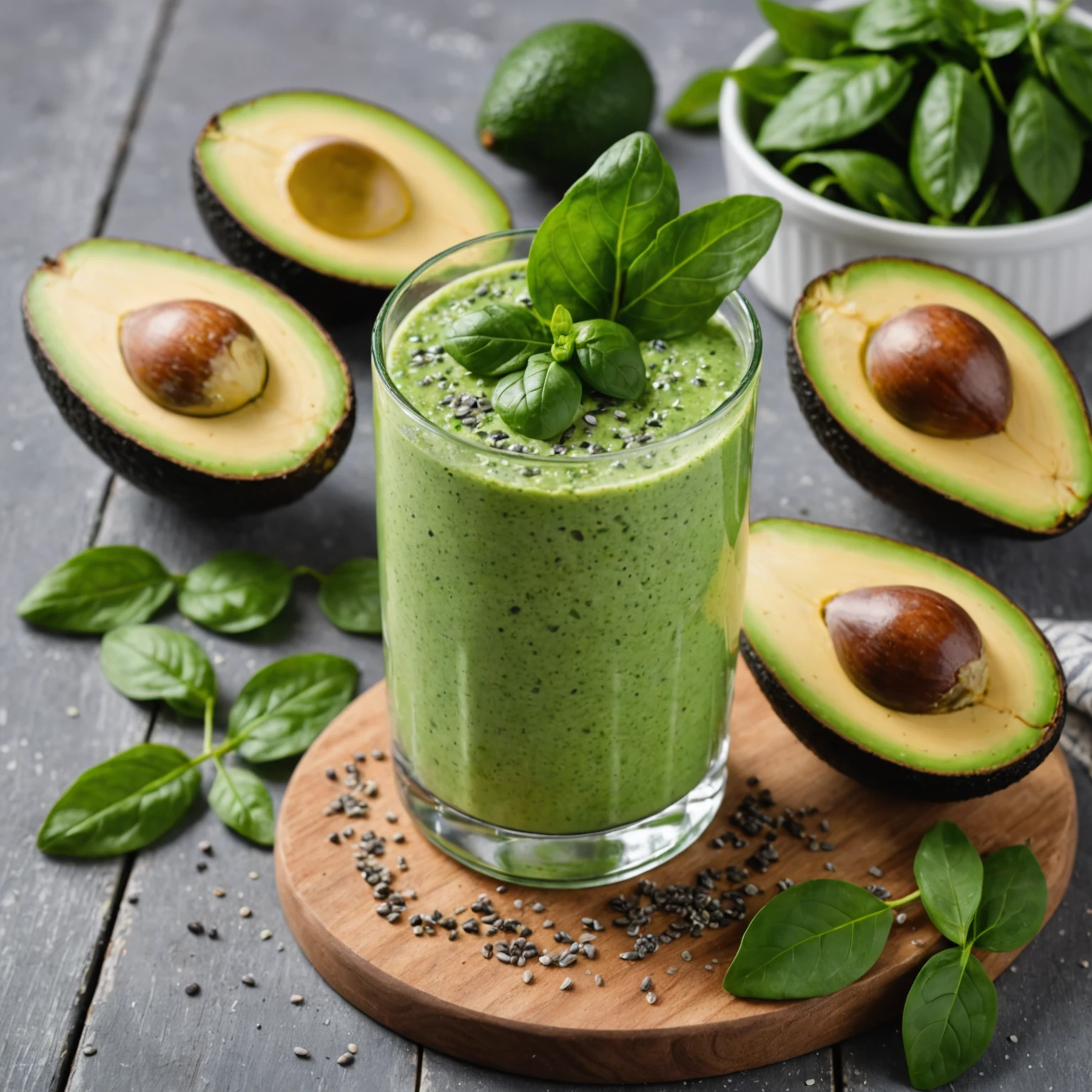
- Incorporate Protein-Enriched Snacks and Smoothies: Supplement your diet with plant-based protein powders or nutrient-dense ingredients in options like the Creamy Avocado and Spinach practical Smoothie for convenient amino acid delivery.
- Maintain Overall Nutritional Balance: Adequate total energy intake supports effective protein utilization; complement your diet with colorful vegetables and fats.
Addressing Common Misconceptions Regarding Plant Proteins
- Myth: Plant proteins are insufficient for building muscle.
Fact: A well-planned variety of plant proteins combined with strategic nutrient timing fully supports muscle growth and endurance.
- Myth: Complementary proteins must be consumed together in every meal.
Fact: Meeting amino acid requirements over the course of the day is sufficient; combining proteins in every meal is helpful but not essential.
Conclusion
Informed plant-based nutrition, grounded in understanding of protein quality and amino acid balance, provides a sustainable and effective approach to muscle fueling. By selecting complementary proteins, improving digestibility, and embracing whole-food, nutrient-rich meals, athletes and fitness enthusiasts can optimize strength, recovery, and overall wellness.
For inspiration, explore plant-powered meal options like the Spicy Chickpea and Quinoa Power Bowl or boost your nutrient intake with the Creamy Avocado and Spinach practical Smoothie to fuel your muscles effectively starting today.
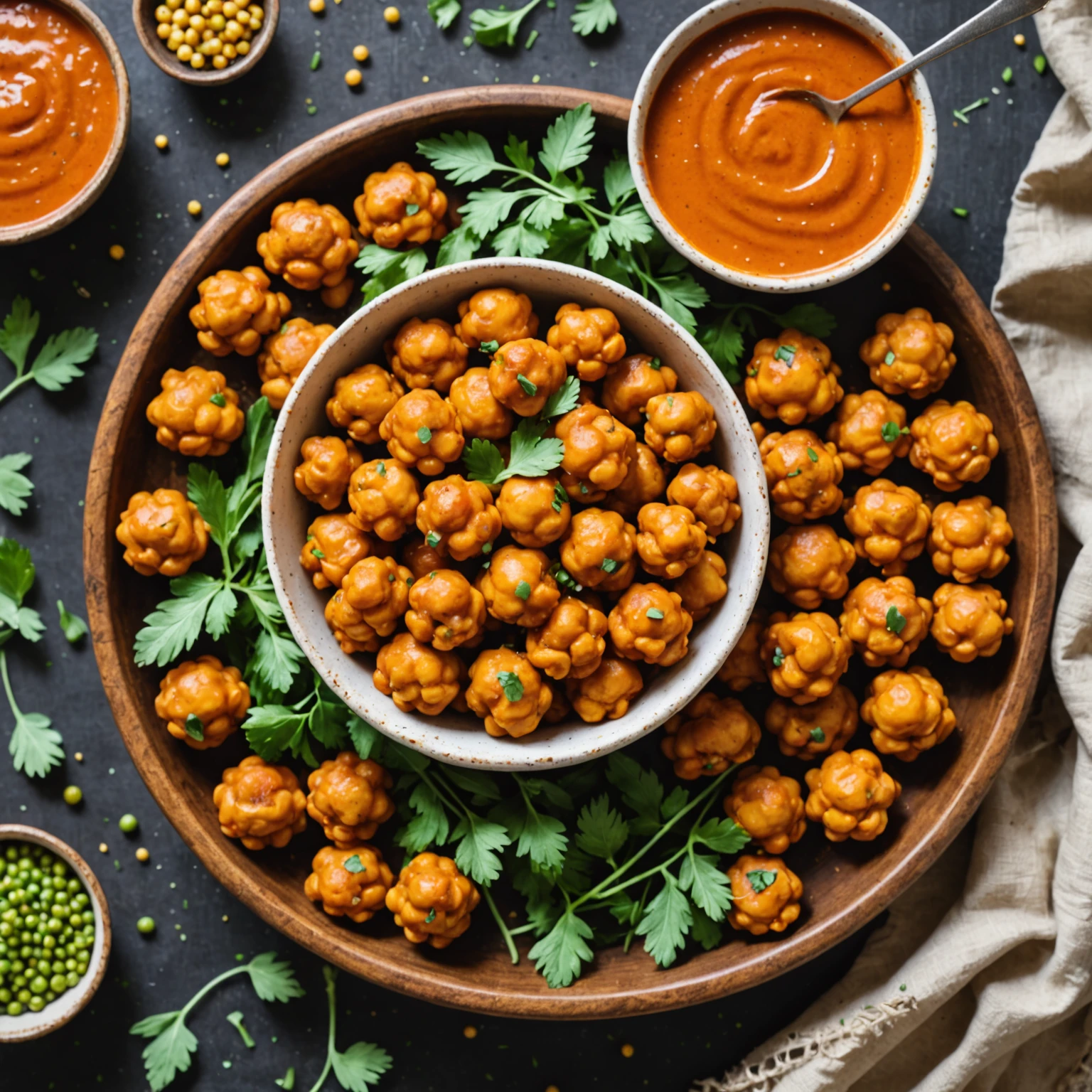
For a simple example of plant protein in snack form, make Crispy Buffalo Chickpea Snack Bites. Chickpeas bring fiber and plant-based protein, while the crispy texture makes them useful for quick fueling between meals.
Related High-Protein Recipes to Try
These plant-based snacks and bakes show how practical protein quality can work in everyday prep.