Introduction
Spices and herbs have been valued for centuries not only for their flavor-enhancing qualities but also for their therapeutic properties. When incorporated into nutrient-packed meals designed for active living, these natural ingredients offer powerful health benefits beyond taste.
Key Health Benefits of Spices and Herbs
Many common spices and herbs contain bioactive compounds that promote health in various ways:
- Effects: Bioactive substances like curcumin in turmeric, gingerols in ginger, and compounds in fennel seeds exhibit potent antioxidant and actions. These effects help reduce chronic inflammation, which is linked to numerous metabolic and cardiovascular diseases.
- Enhanced Digestion: Ingredients such as ginger and fennel stimulate digestive enzymes and support gut motility, helping alleviate digestive discomfort like bloating and promoting efficient nutrient absorption.
- Immune Support: Herbs like garlic, oregano, and thyme provide antimicrobial properties and bolster immune defenses, aiding in infection resistance.
- Blood Sugar Regulation: Cinnamon and ginger have demonstrated potential to enhance insulin sensitivity and help regulate blood glucose levels, contributing to metabolic health.
Practical Ways to Incorporate Spices and Herbs
Integrating these practical ingredients into your meals is straightforward and adaptable:
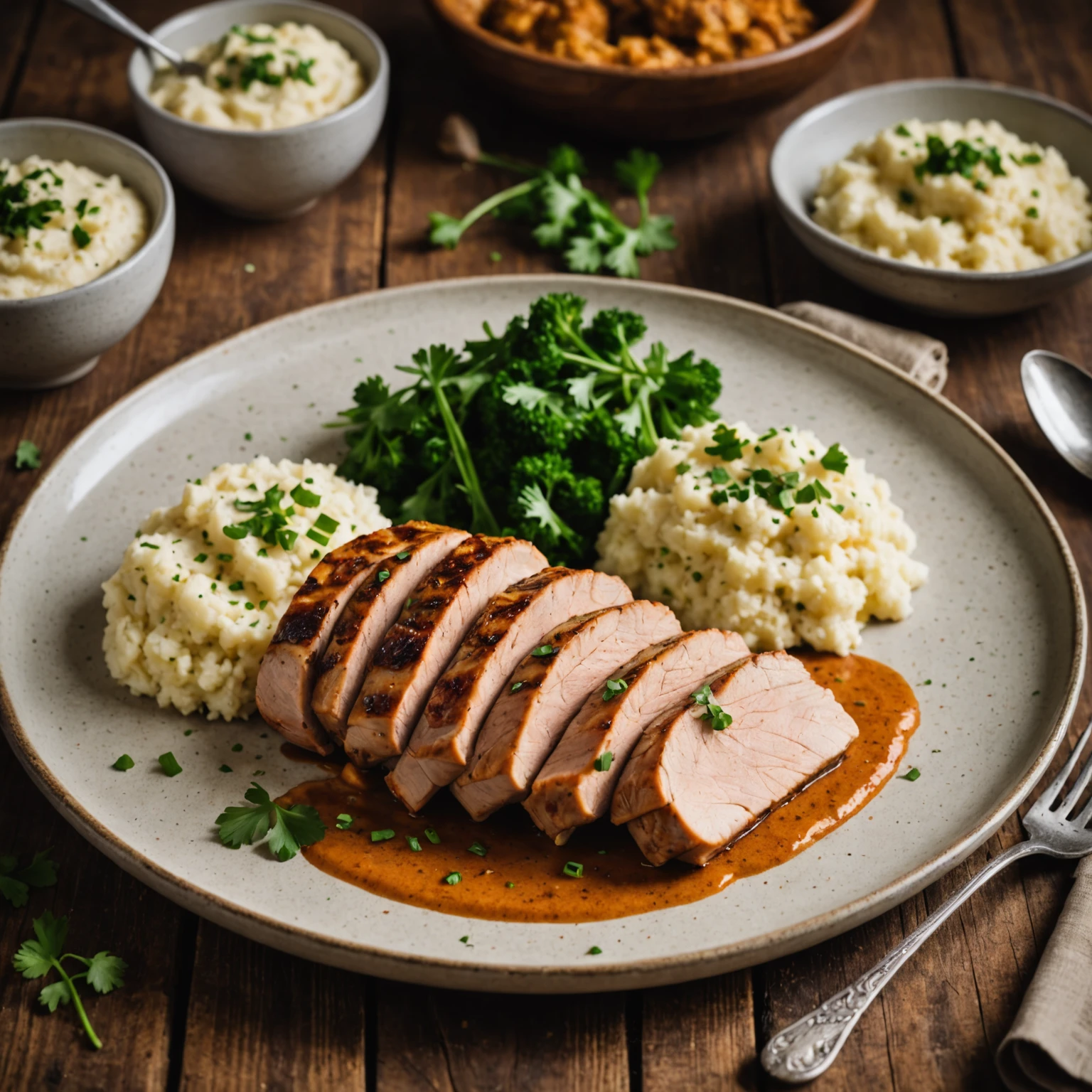
- Marinades and Spice Rubs: Combine turmeric, paprika, ginger, or fennel seeds in marinades for proteins such as meats or plant-based options, enriching flavor and nutrition, as featured in recipes like Spiced Orange and Fennel Grilled Pork Chops with Wilted Greens.
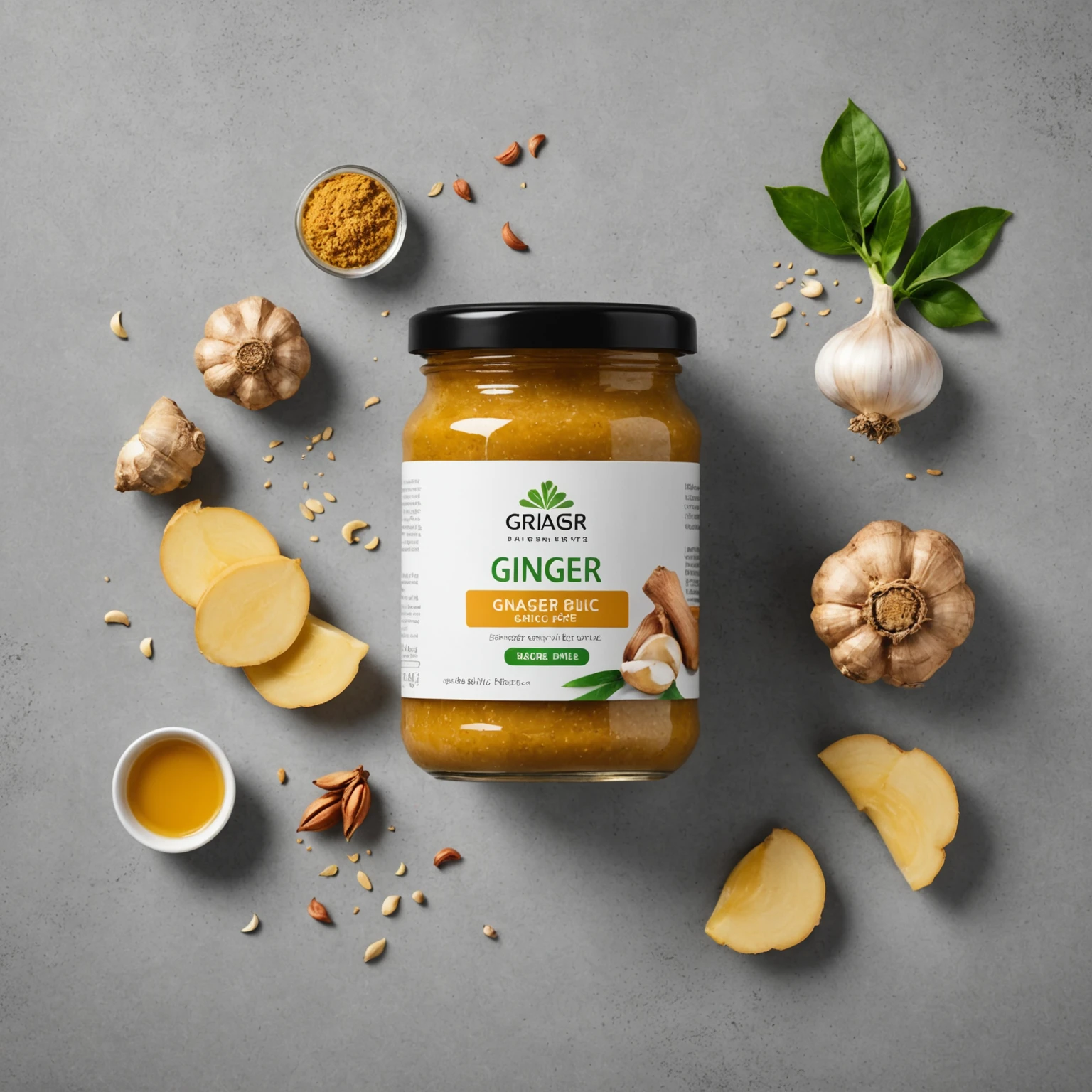
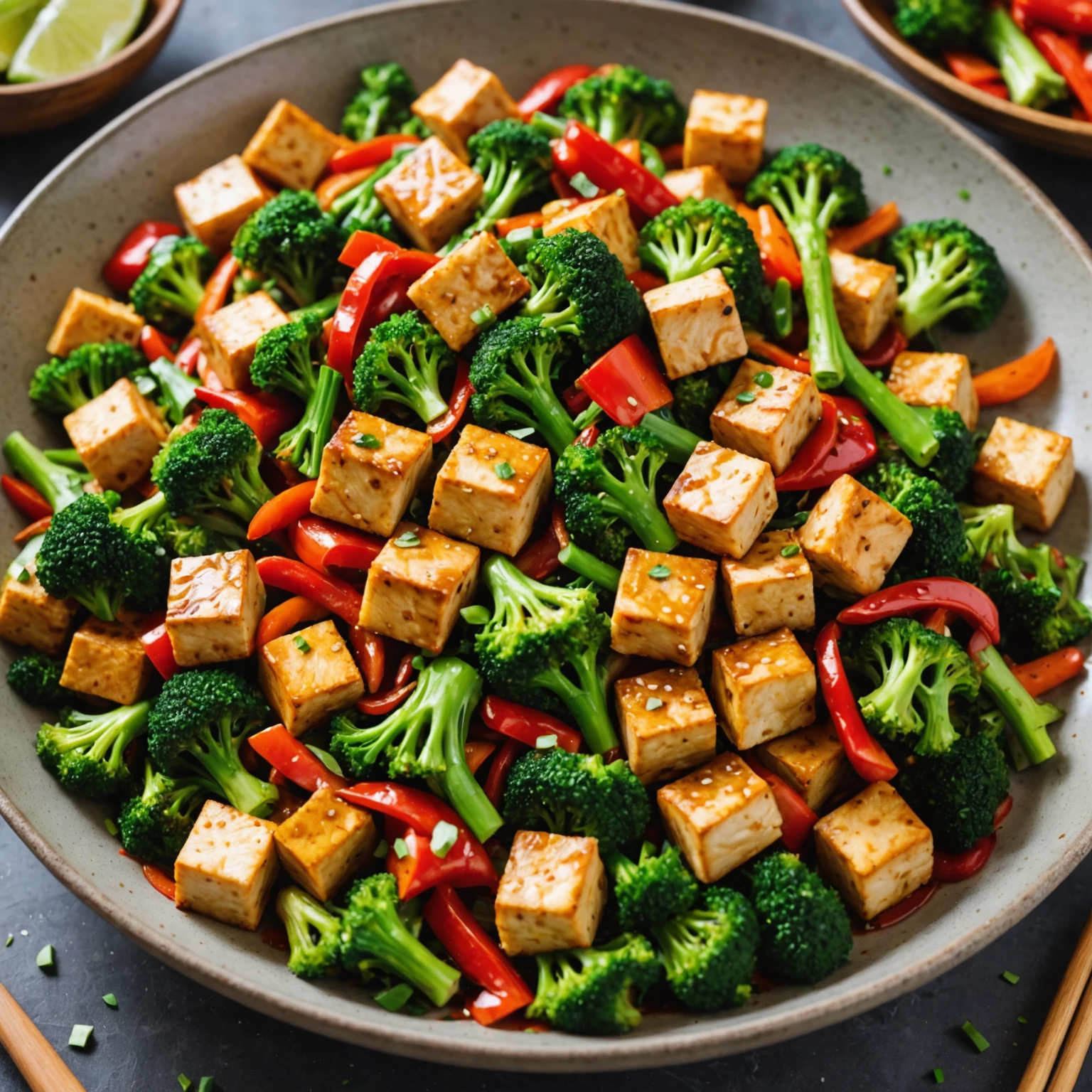
- Stir-Fries and Sauces: Add freshly grated ginger and turmeric to stir-fries or sauces to boost both taste and health benefits, demonstrated in Zesty Ginger and Turmeric Tofu Stir-Fry.
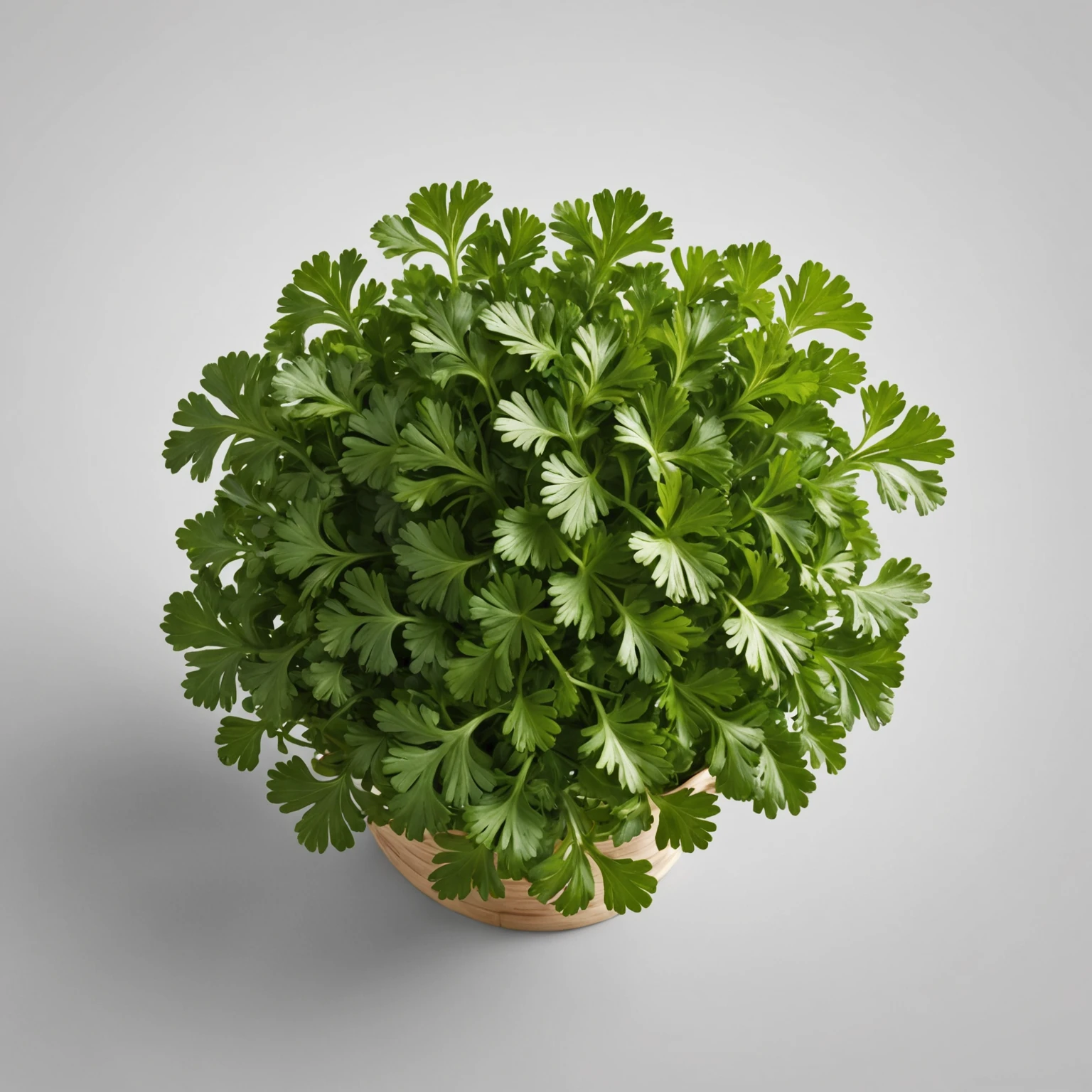
- Fresh Herb Garnishes: Adding chopped parsley, cilantro, basil, or other herbs to finished dishes enhances flavor while delivering antioxidants.
- Herbal Teas and Infused Waters: Brewing teas or infusing water with ingredients such as cinnamon sticks or mint provides gentle health support while encouraging hydration.
Synergy and Overall Wellness Impact
Combining certain spices can amplify their effects—for example, black pepper increases the bioavailability of curcumin from turmeric. Utilizing spices also reduces the need for excess salt and sugar, which is beneficial for heart and metabolic health.
Conclusion
Spices and herbs are valuable components in crafting meals that nourish both the body and palate. Their inclusion aids digestion, supports immune function, manages inflammation, and enhances metabolic health. Regularly integrating these natural ingredients transforms everyday meals into powerful tools for health and wellness.
Explore how these benefits translate in practice through recipes like Zesty Ginger and Turmeric Tofu Stir-Fry and Spiced Orange and Fennel Grilled Pork Chops with Wilted Greens.
Start harnessing the health-enhancing properties of spices and herbs today to elevate your protein-rich nutrition and overall wellbeing.