Introduction: Enhancing Performance Through Nutrient Synergy
For athletes and fitness enthusiasts focused on peak performance, understanding how macronutrients interact is vital. While increasing protein intake is often emphasized, combining carbohydrates with protein significantly boosts stamina, energy sustainability, and muscle preservation during exercise. This article explores the science behind this macronutrient synergy and practical ways to integrate it into your nutrition plan.
The Essential Role of Carbohydrates in Sustained Energy
Carbohydrates are the body's preferred energy source during moderate to high-intensity exercise. Upon consumption, they convert to glucose and are stored as glycogen in muscles and the liver. These glycogen reserves supply the necessary fuel to maintain prolonged physical activity and delay fatigue by stabilizing blood glucose levels and preventing early depletion of energy stores.

Protein’s Key Function in Muscle Repair and Recovery
Protein provides amino acids crucial for repairing and rebuilding muscle tissue stressed during exercise. Consuming protein supports muscle recovery and helps maintain lean muscle mass. However, protein alone is not the primary energy source during exercise, emphasizing the need to pair it with carbohydrates for optimal performance.
The Synergistic Impact of Combined Carbohydrate and Protein Intake

Eating carbohydrates alongside protein triggers several beneficial effects:
- Faster Glycogen Replenishment: Protein enhances insulin release when consumed with carbohydrates, which accelerates glucose absorption and restores muscle glycogen more efficiently after exercise.
- Improved Muscle Protein Synthesis: The insulin boost aids amino acid transport into muscle cells, fostering more effective muscle repair and growth.
- Sustained Energy Availability: practical carbohydrate-protein intakes provide prolonged fuel during endurance activities, reducing muscle breakdown associated with glycogen depletion.
Practical Nutrition Strategies: Balancing Macronutrients Effectively
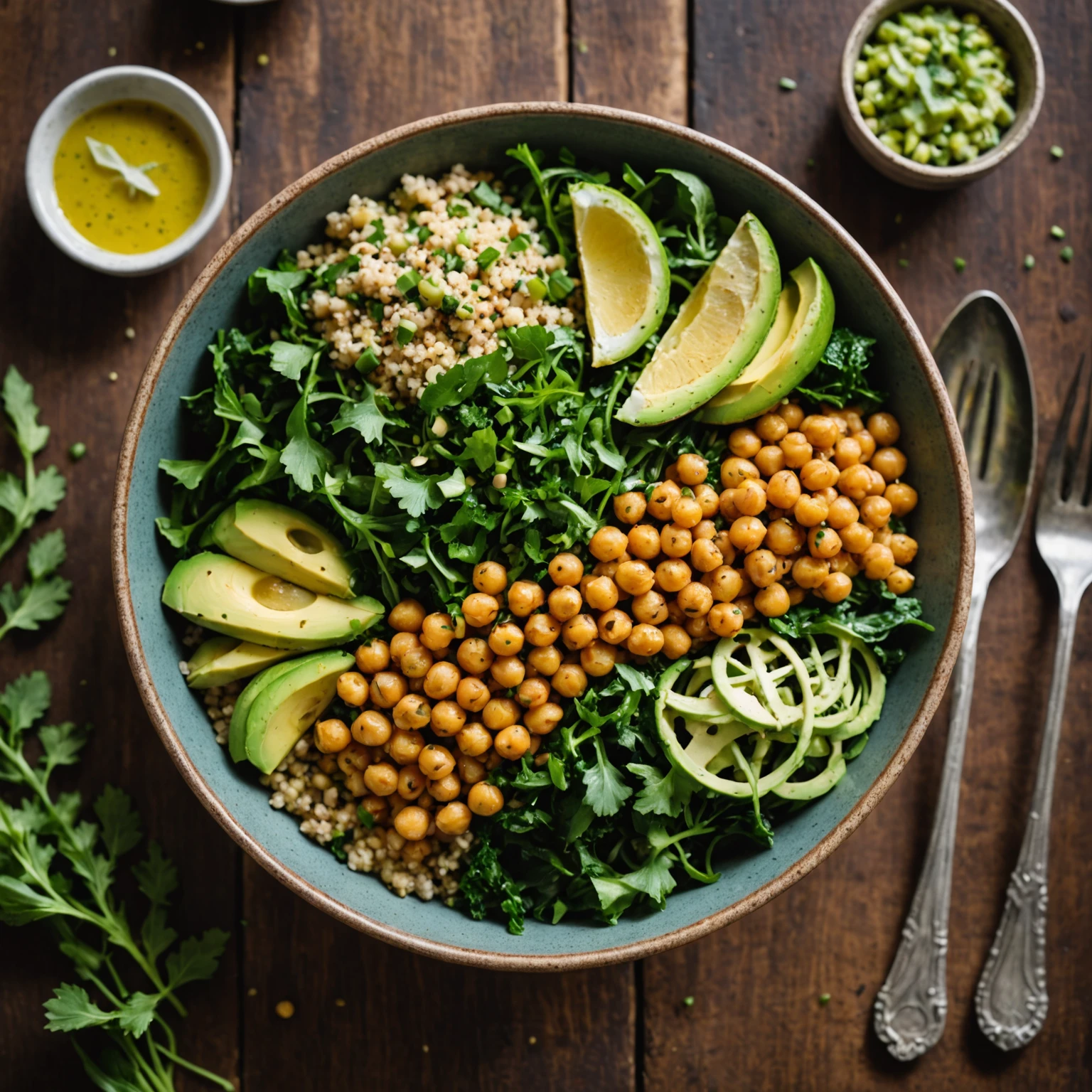
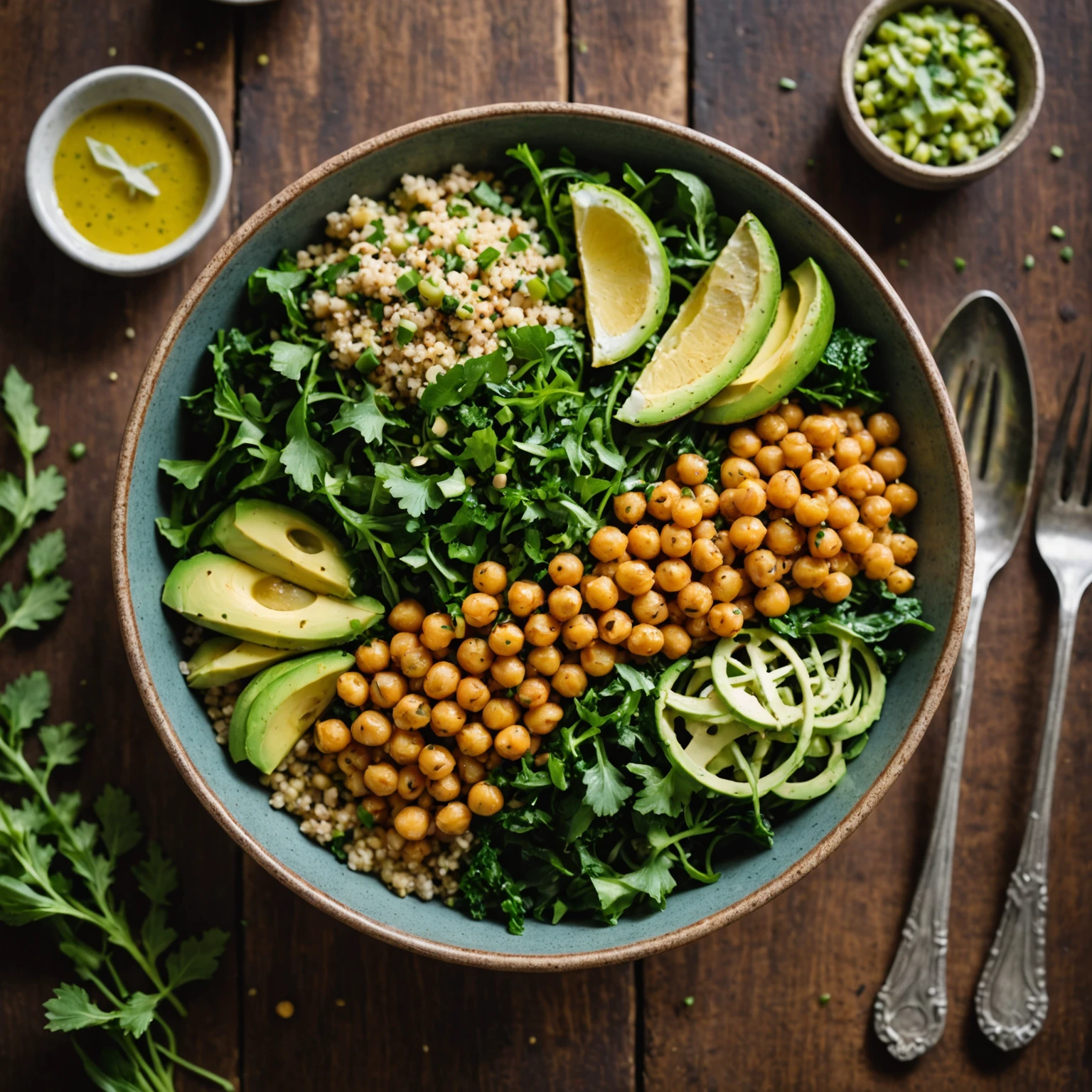
To maximize the benefits of carbohydrate-protein synergy, pairing diverse protein sources with nutrient-dense carbohydrate options is key. For instance, the Spicy Chickpea and Quinoa Power Bowl combines plant-based proteins with complex carbohydrates from quinoa, offering complete amino acid profiles alongside steady energy release.
Likewise, meals like Grilled Lemon Herb Chicken with Roasted Vegetables blend lean animal protein with fiber-rich carbohydrates and nutrient-packed vegetables, delivering practical nutrition that supports both endurance and strength.
Optimizing Timing and Macronutrient Ratios for Performance
Effectiveness depends on when and how much you consume:
- Pre-Exercise: practical meals consumed 1.5 to 3 hours before activity help top up glycogen stores and supply amino acids to minimize muscle damage.
- Post-Exercise: Intake of carbohydrate-protein combinations within 30 to 60 minutes after exercise enhances glycogen restoration and muscle recovery.
Recommended carbohydrate-to-protein ratios are approximately 3:1 to 4:1 for endurance training and around 2:1 for strength training, adjustable based on workout intensity and individual needs.
Beyond Macronutrients: Prioritizing Nutrient-Dense Foods
While carbohydrate-protein synergy is fundamental, incorporating micronutrient-rich practical enhances recovery and performance. Vitamins, minerals, antioxidants, and fats from practical support inflammation control and immune function—critical for sustained training intensities and long-term health.
Conclusion: Elevating Fitness Nutrition with practical Macronutrients
Recognizing the complementary roles of carbohydrates and protein empowers the development of meal plans that effectively support endurance, strength, and recovery. This integrated approach transcends singular protein focus, fostering practical, practical nutrition strategies tailored to performance needs. Embrace nutrient-rich meals like the Spicy Chickpea and Quinoa Power Bowl and Grilled Lemon Herb Chicken with Roasted Vegetables as part of your fitness nutrition regimen.
For further reading, explore the latest research on metabolic adaptations from mixed macronutrient fueling and their impact on athletic training outcomes.
Related High-Protein Recipes to Try
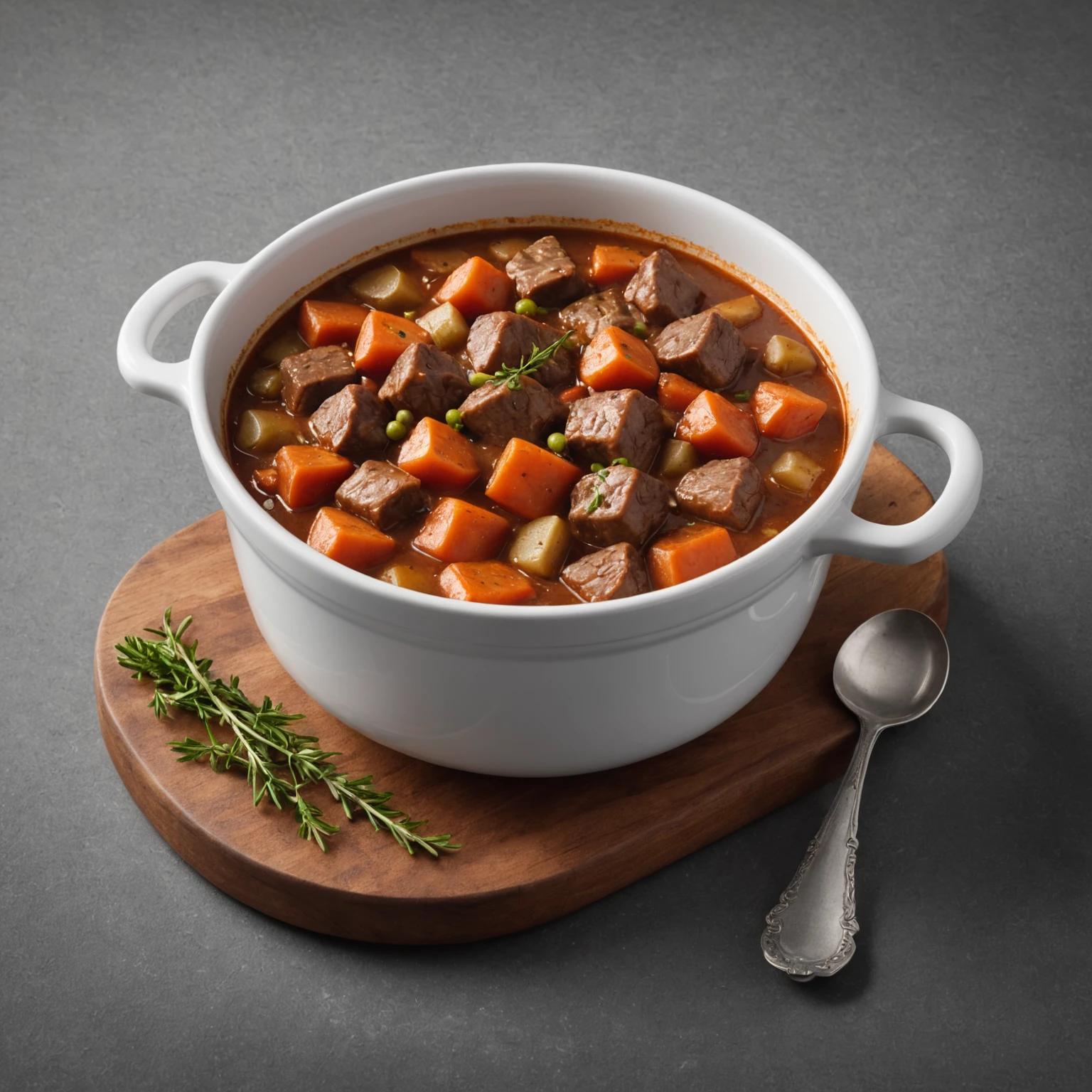
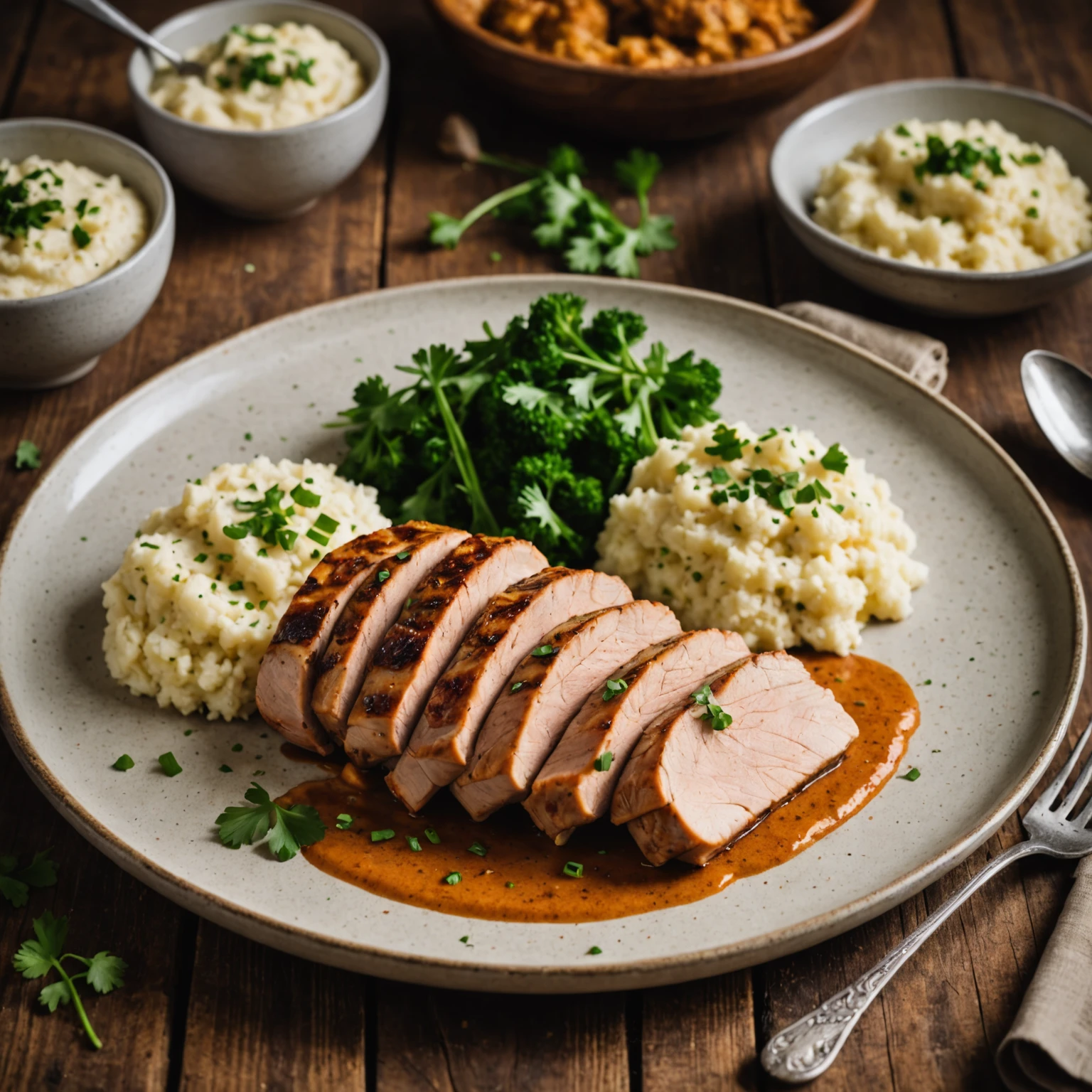
These beef recipes pair protein with satisfying carbohydrate or vegetable sides for strength and endurance meals.