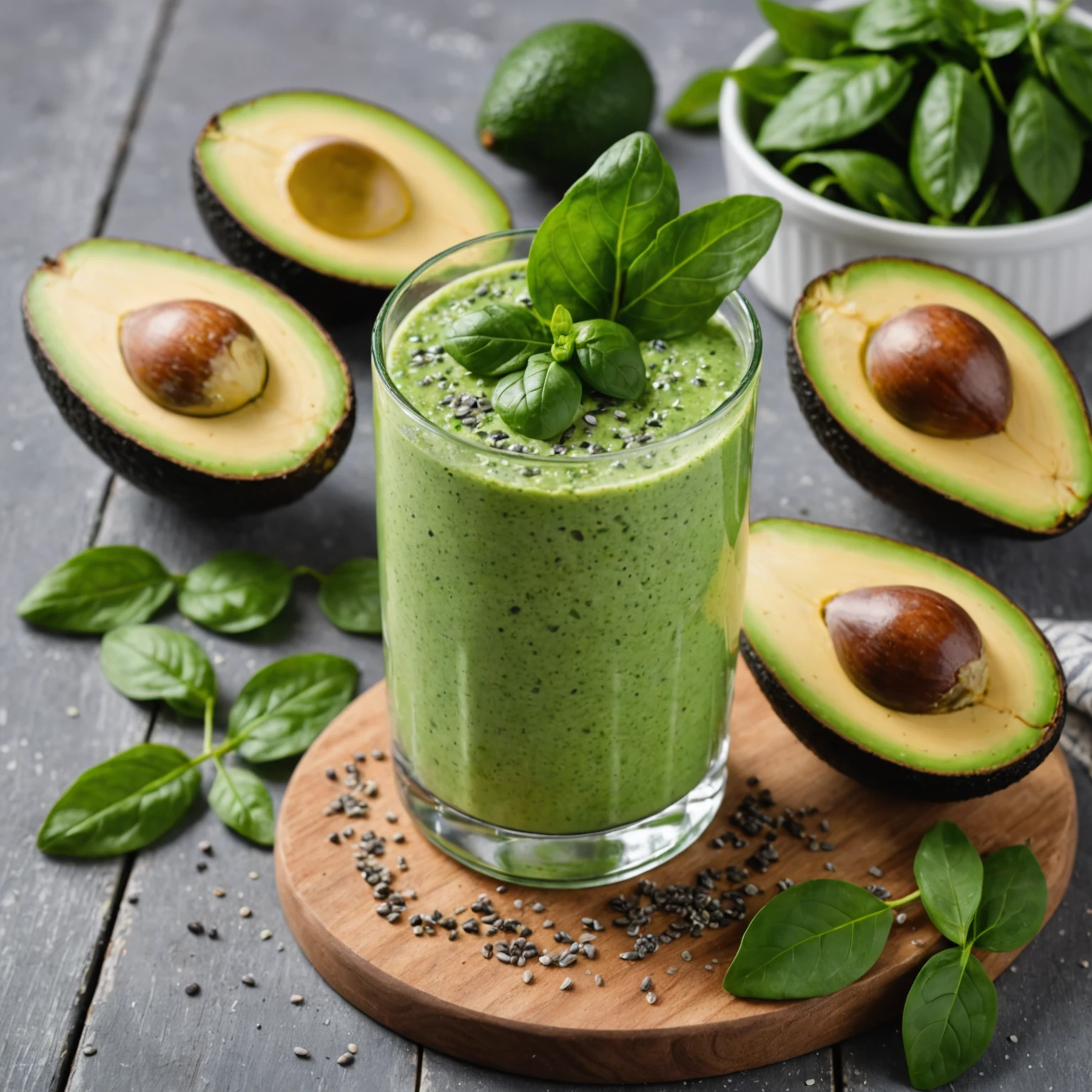
For individuals dedicated to maintaining active lifestyles, the timing of nutrient intake is as crucial as meal composition. By strategically planning when to consume meals, your body can better access energy during physical activity and support faster recovery afterward.
Understanding the Role of Meal Timing

Our metabolism operates in rhythms influenced by physical activity patterns and circadian biology. Aligning meal consumption with these natural cycles enhances nutrient absorption and utilization, ensuring that energy is readily available for exercise and that recovery mechanisms function efficiently afterward.
Pre-Exercise Nutrition: Fueling for Performance
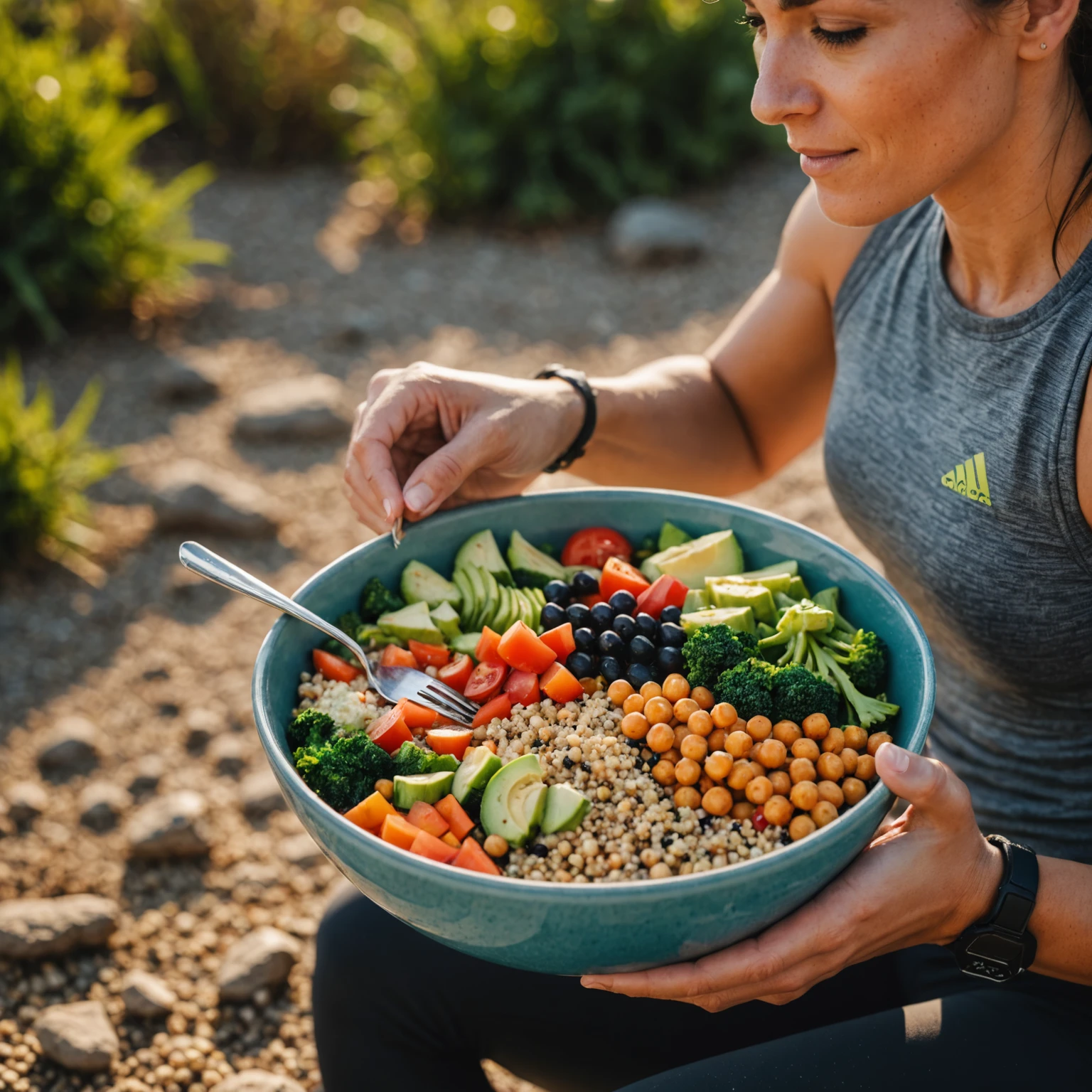
Eating a practical meal 1 to 3 hours before exercise helps ensure a steady release of energy and prepares muscles for optimal function.
- Prioritize moderate amounts of easily digestible carbohydrates to maintain steady blood glucose.
- Include high-quality protein, from plant or animal sources, to support muscle readiness.
- Limit foods high in fat and fiber before workouts to avoid gastrointestinal discomfort.
For example, nutrient-rich combinations such as legumes paired with whole grains—illustrated by the Spicy Chickpea and Quinoa Power Bowl—provide an effective pre-exercise meal.

Post-Exercise Nutrition: Supporting Recovery
Consuming appropriate nutrition soon after exercise is vital for replenishing glycogen stores and repairing muscle tissue.
- Aim to eat within 30 to 60 minutes to optimize glycogen restoration and protein synthesis.
- Include sufficient quality protein to facilitate muscle repair.
- Incorporate carbohydrates to restore energy reserves.
Timely nutrition reduces muscle soreness and improves readiness for future training sessions.
Sustaining Energy Levels Throughout the Day
A practical distribution of meals aids in maintaining consistent energy and metabolic health.
- Structure meals to include complex carbohydrates, proteins, and fats in appropriate ratios.
- Use snacks strategically around exercise to prevent energy dips.
- Maintain adequate hydration and micronutrient intake to support overall performance and recovery.
Practical Tips for Personalizing Meal Timing
- Customize your meal schedule based on workout timing, exercise intensity, and individual digestive comfort.
- Experiment with portion sizes and nutrient combinations to identify the most effective fueling strategy.
- Incorporate nutrient-dense recipes timed with your activity to enhance convenience and adherence.
Incorporating mindful meal timing alongside nutrient-rich, enjoyable foods supports improved performance and recovery. Recipes like the Spicy Chickpea and Quinoa Power Bowl demonstrate how delicious, functional foods can fit seamlessly into your nutrition plan.
Prioritizing when you eat supports your body’s energy demands and recovery processes, empowering you to maintain an energized and active lifestyle.
Related High-Protein Recipes to Try
These portable snacks and egg-based recipes can support pre-workout,, or between-meal timing.