In fitness nutrition, the emphasis is often placed predominantly on protein consumption to support muscle health and recovery. However, an optimal active lifestyle depends on a broader range of essential nutrients—including vitamins, minerals, antioxidants, and phytochemicals—that play indispensable roles in energy metabolism, inflammation control, and overall physiological function. These often overlooked nutrients complement high-protein diets by supporting biochemical pathways crucial for enhanced performance and accelerated recovery.
Vitamins and Minerals: Essential Cofactors for Metabolism and Recovery
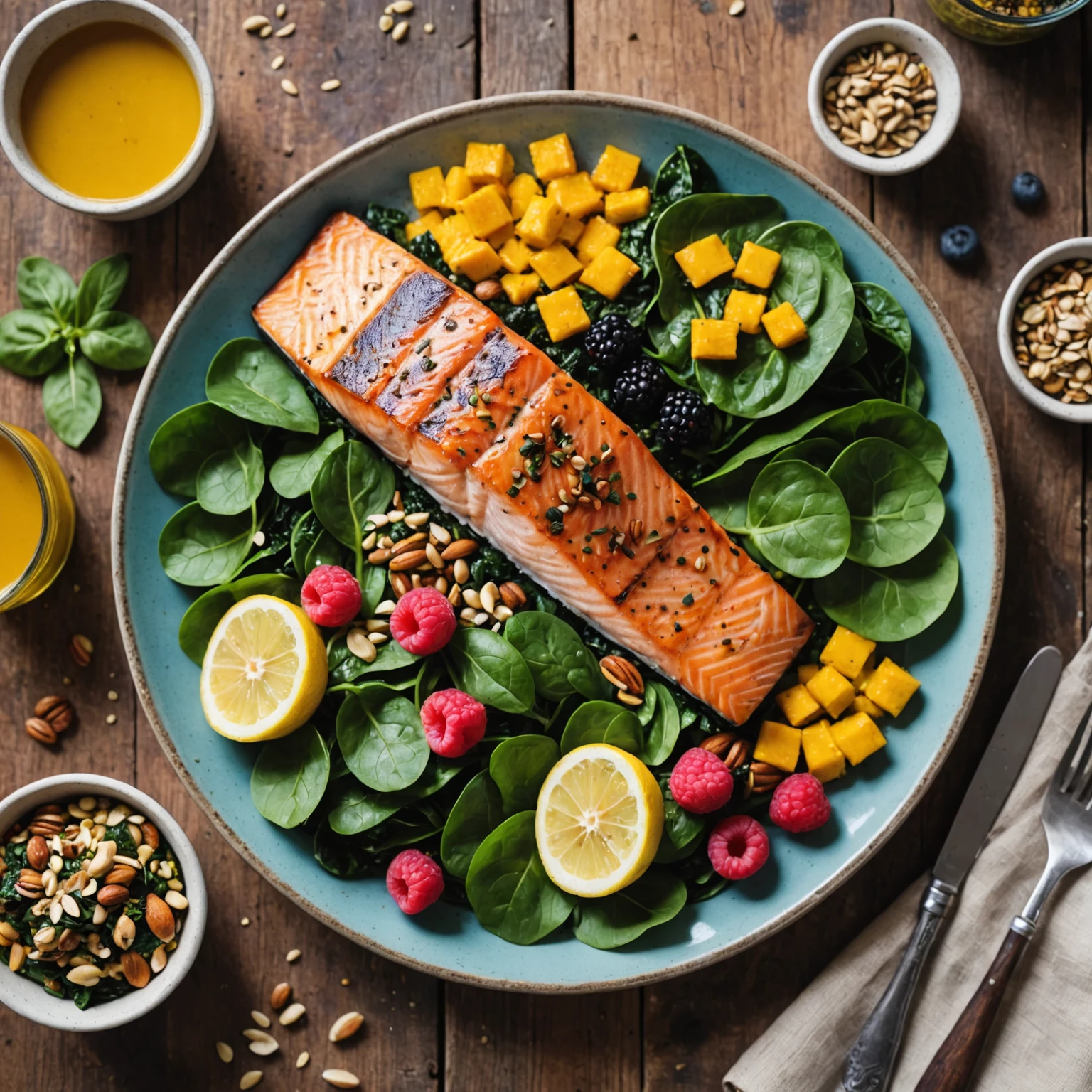
Vitamins and minerals serve as vital cofactors in a variety of enzymatic reactions underpinning metabolism and tissue function. For instance, B-complex vitamins such as B6, B12, and folate are integral in converting carbohydrates, fats, and proteins into usable energy—key during intense exercise. Vitamin D contributes to muscle contraction efficiency and immune system balance, while minerals like magnesium facilitate muscle relaxation and zinc reinforce antioxidant defense mechanisms.
A deficiency in these micronutrients can impair recovery and reduce exercise capacity, even when protein intake is adequate. Ensuring a diverse intake of whole plant foods, such as leafy greens, nuts, and seeds, alongside nutrient-dense animal sources like seafood, supports optimal micronutrient status.
Antioxidants: Defending Against Oxidative Stress from Exercise
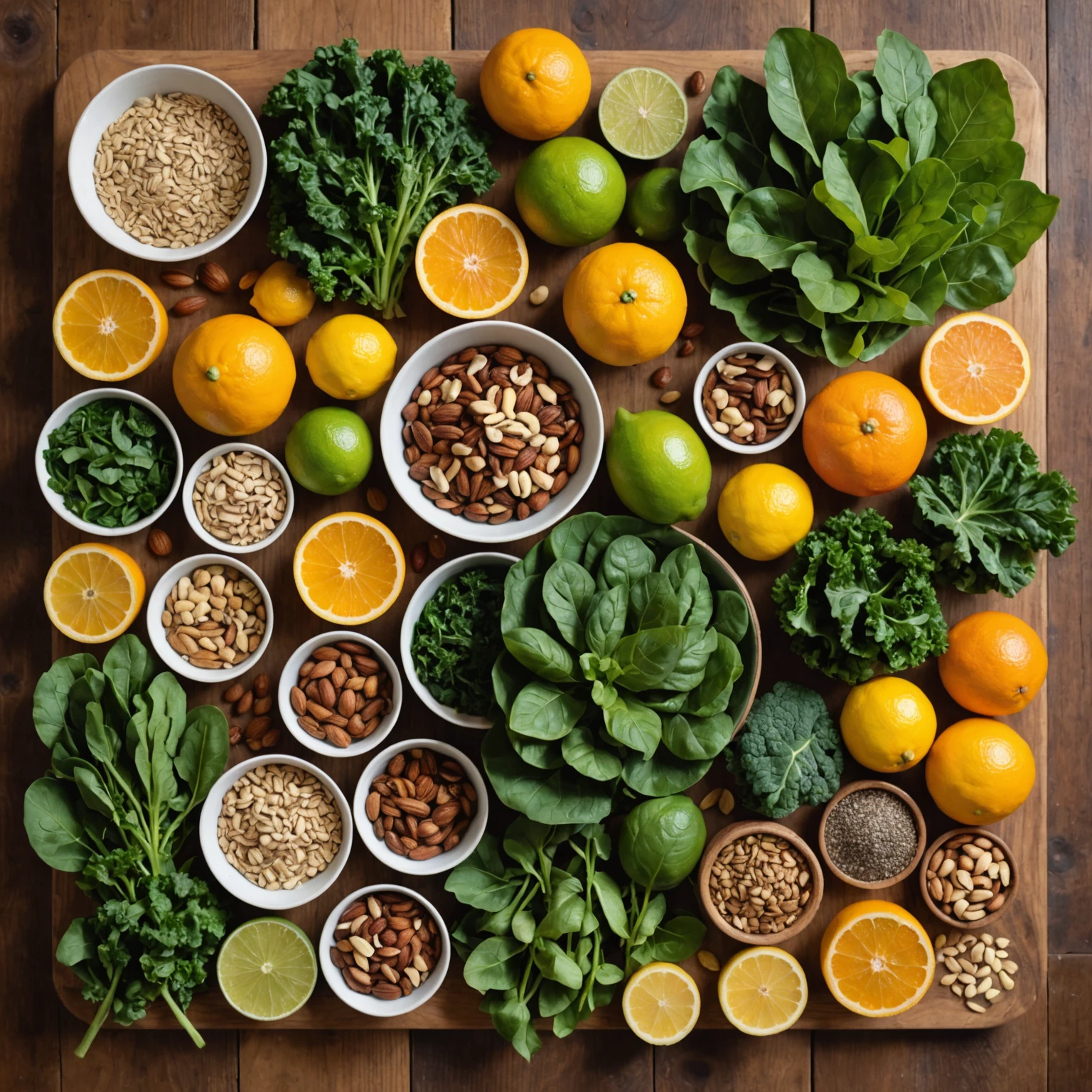
Physical exertion increases reactive oxygen species (ROS) production, which can lead to oxidative damage in muscle cells and delay recovery. Antioxidant nutrients mitigate this by neutralizing ROS, thereby reducing oxidative stress and inflammation.
Key antioxidant vitamins include vitamin C and vitamin E, abundantly found in fruits, vegetables, nuts, and seeds. Beyond vitamins, phytochemicals such as flavonoids, carotenoids, and polyphenols provide potent antioxidant effects. Incorporating ingredients like turmeric, ginger, berries, and dark leafy greens into meals effectively enhances antioxidant protection.
Phytochemicals: Bioactive Compounds Supporting Inflammation and Metabolic Health
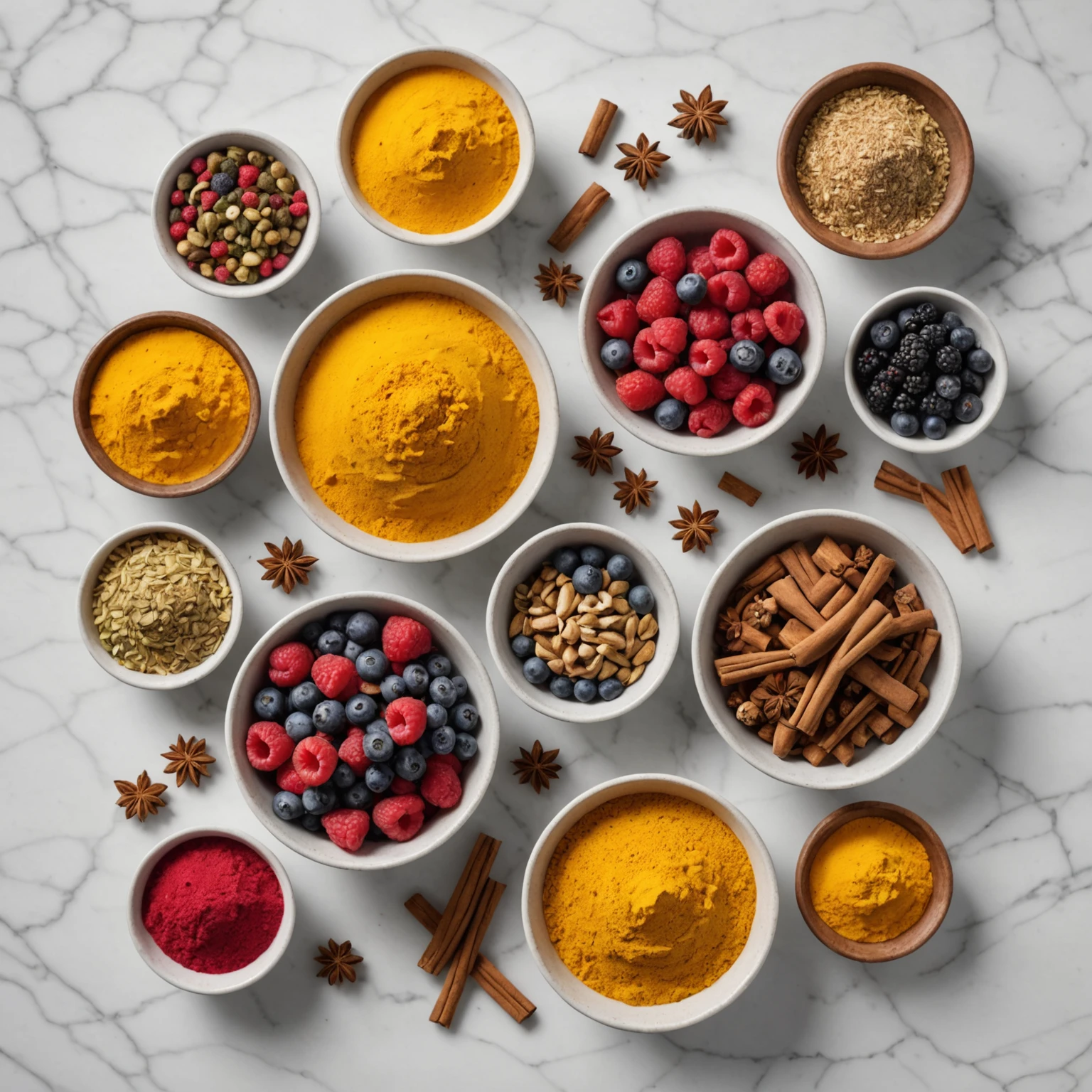
Phytochemicals are plant-derived compounds offering diverse health benefits beyond basic nutrition. Notable examples include curcumin from turmeric, resveratrol in grapes, and catechins found in green tea; these compounds exhibit, antimicrobial, and metabolic regulatory properties. Research indicates their role in improving cardiovascular health, enhancing insulin sensitivity, and suppressing chronic inflammation—all pivotal for sustained fitness and wellness.
Using herbs and spices rich in phytochemicals increases nutrient density and flavor complexity, which supports adherence to practical eating patterns.
Strategies for Incorporating Nutrient-Rich Foods into Active Lifestyles
- Aim for a colorful variety of vegetables and fruits in every meal to maximize micronutrient and phytochemical diversity.
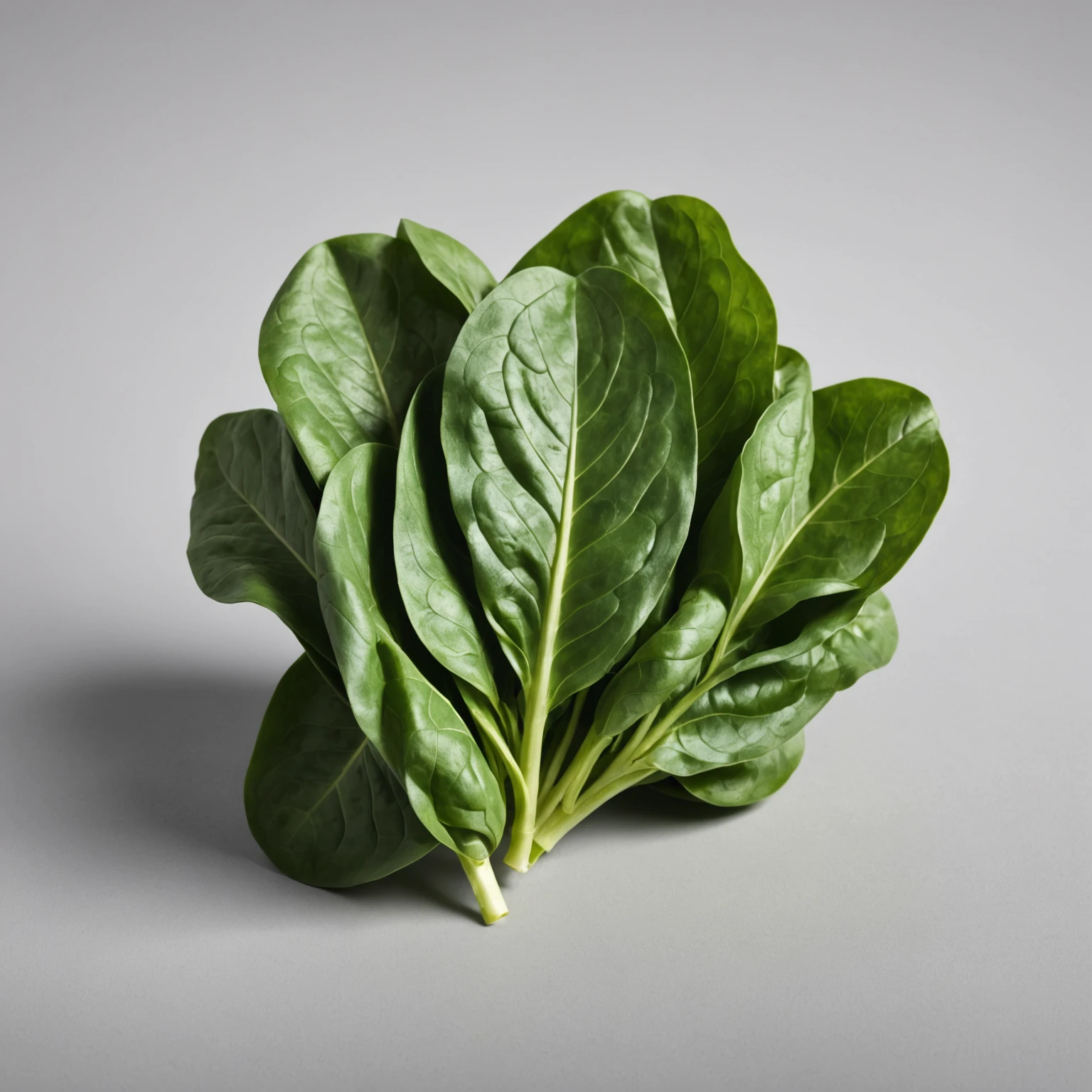
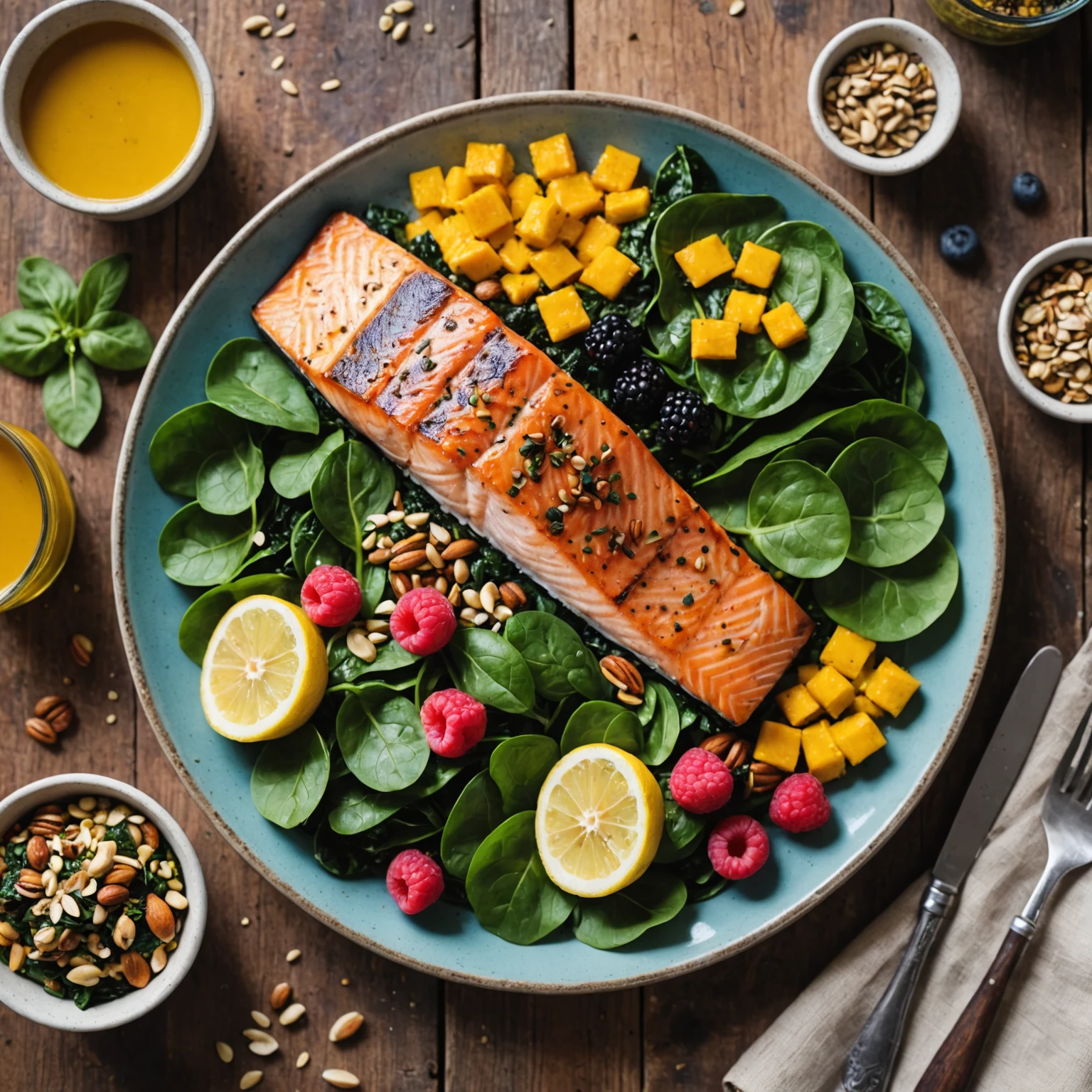
- Complement protein-rich dishes with antioxidant-loaded vegetables or spices; for example, the fresh spinach in Creamy Tuscan Garlic Salmon with Spinach supplies valuable antioxidants and vitamins.
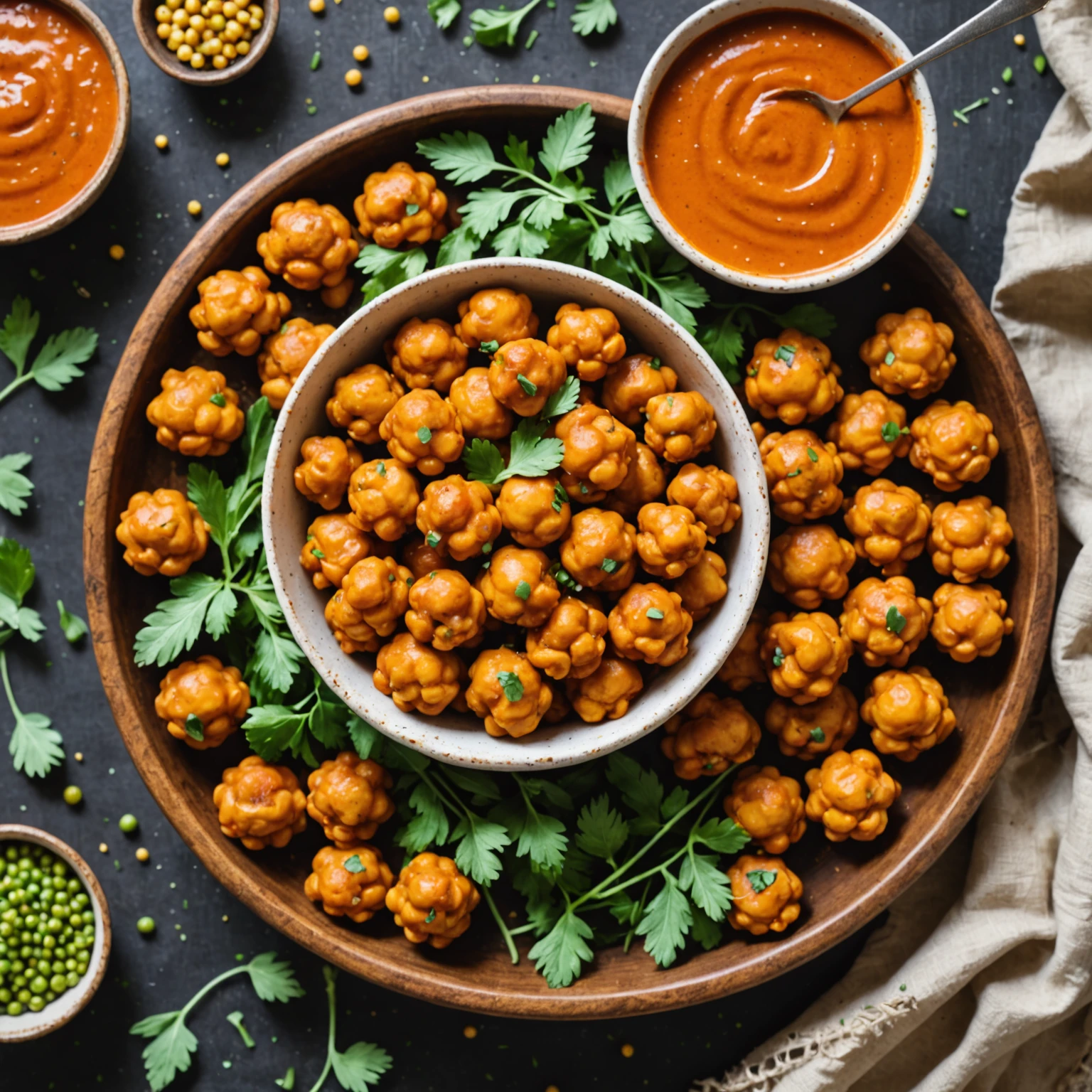
- Integrate plant-based protein sources such as chickpeas and black beans, which also contribute beneficial phytonutrients, as demonstrated in Spicy Korean BBQ Chickpea Lettuce Wraps.
- Use herbs and spices liberally—turmeric, ginger, and fresh herbs add both nutritional and sensory benefits.
Conclusion
Focusing exclusively on protein overlooks the vital contributions of a wide spectrum of nutrients essential for maximizing fitness and wellness. Integrating critical micronutrients, antioxidants, and phytochemicals with protein-rich meals supports efficient energy utilization, lowers exercise-related inflammation, and enhances recovery. This comprehensive nutritional approach enables athletes and active individuals to optimize performance and support long-term health.
By incorporating these nutrient strategies alongside Protein Power Kitchen’s high-protein offerings, you can elevate your dietary regimen for fitness and wellness—creating meals that are both practical and enjoyable.
Related High-Protein Recipes to Try
These chicken recipes bring micronutrient-dense ingredients into practical high-protein meals.