Introduction
Hydration is a fundamental, often overlooked factor in fitness and nutrition, especially for those focused on high-protein diets to boost muscle repair and growth. Proper water intake is crucial for muscle function, nutrient metabolism, and overall recovery. Understanding how hydration influences protein utilization equips athletes and active individuals with essential tools to enhance performance and promote long-term health.
Hydration's Impact on Physical Performance
Water comprises about 60% of the human body and supports nearly every physiological process. For those engaged in regular exercise, maintaining hydration is vital for:
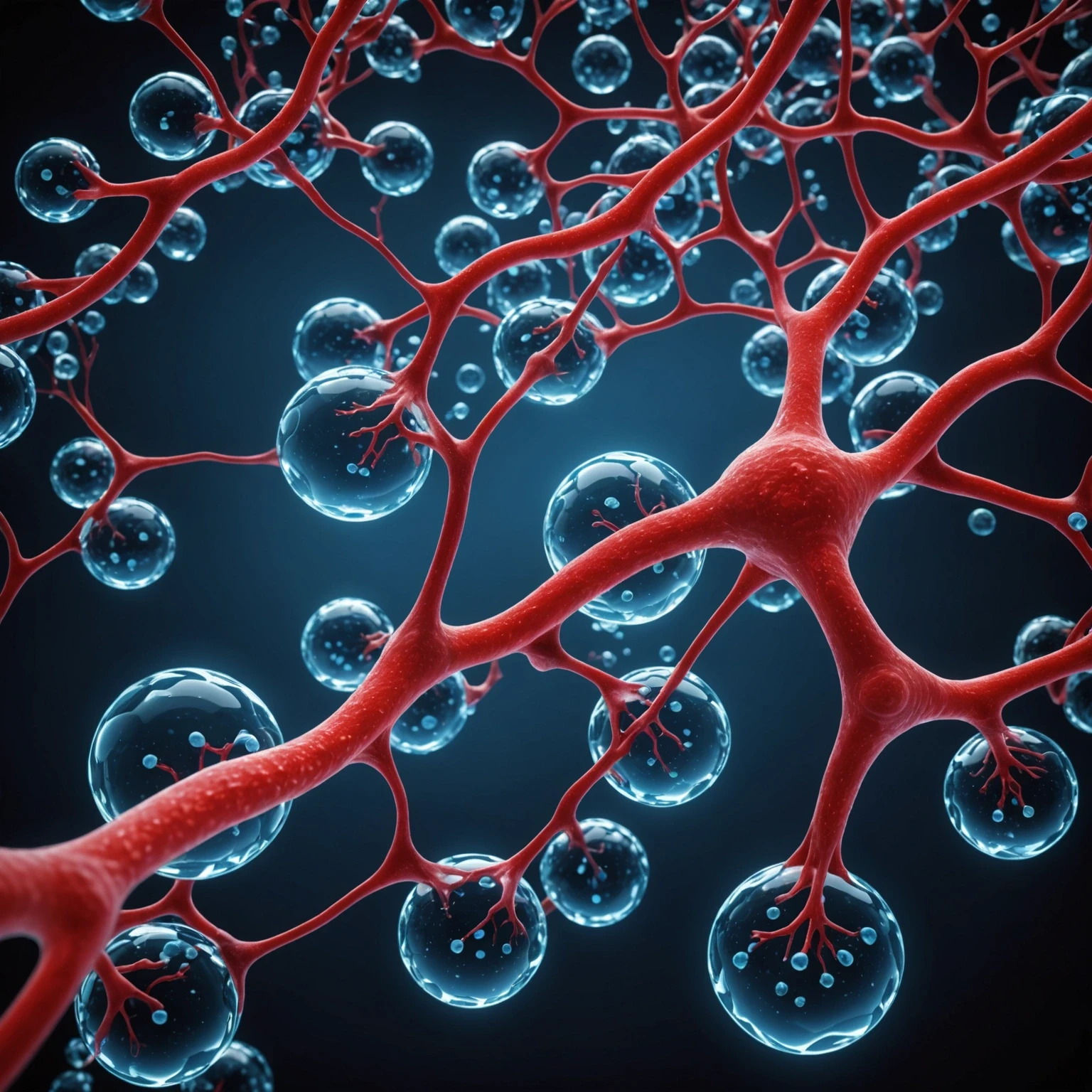
- Optimal Muscle Function: Intracellular water enables effective muscle contractions and relaxation. Even mild dehydration can impair strength, cause cramps, and reduce endurance.
- Efficient Nutrient Transport: Water is the medium that delivers amino acids from protein digestion to muscle tissue for repair and growth.
- Body Temperature Regulation: Adequate hydration helps manage heat, preventing fatigue related to overheating and sustaining workout intensity.
The Connection Between Hydration and Protein Metabolism
Protein consumption triggers metabolic processes reliant on sufficient water availability:
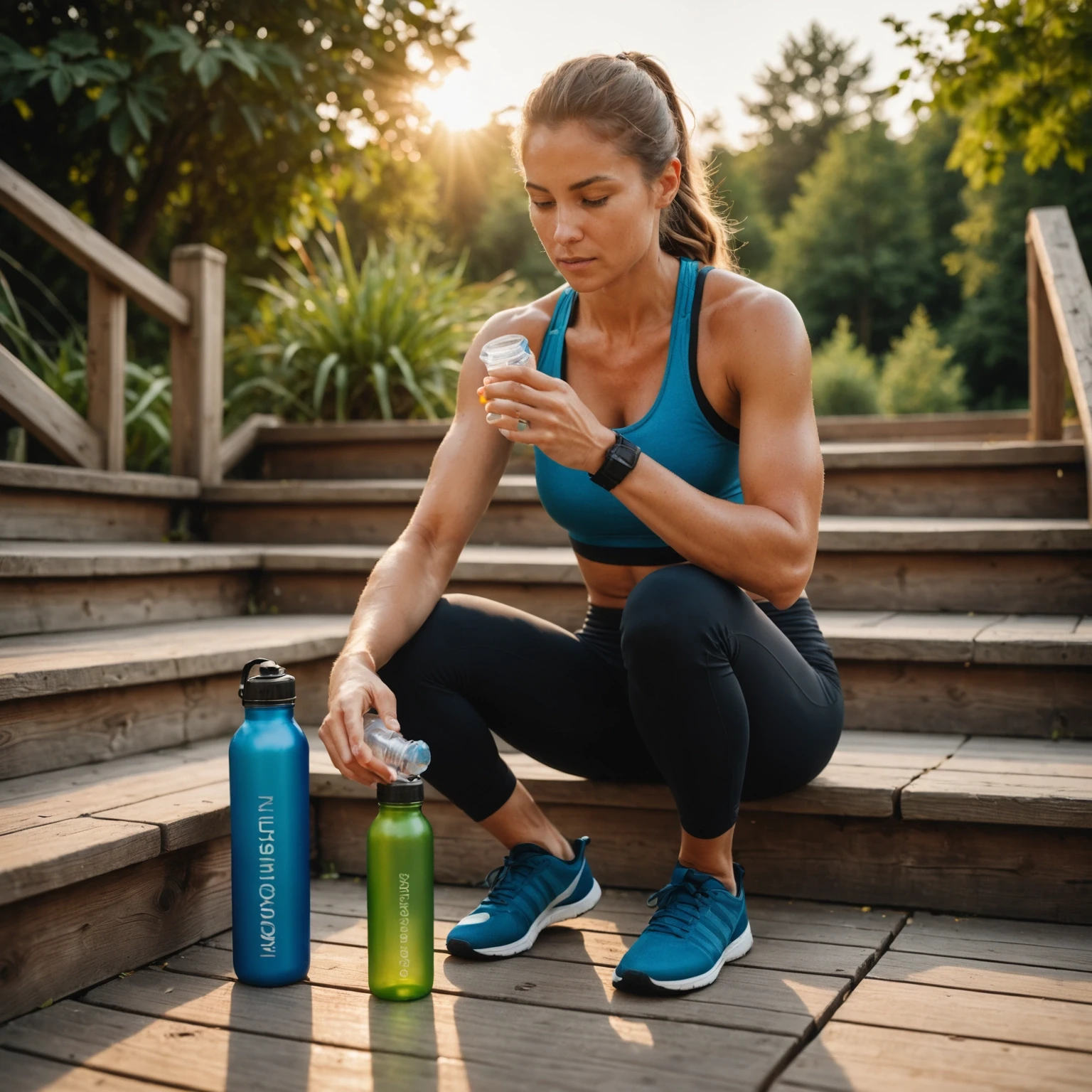
- Improved Digestion: Water facilitates the breakdown of protein in the digestive tract, promoting efficient amino acid absorption.
- Kidney Support and Waste Removal: Hydration aids renal function to eliminate nitrogenous waste products generated from protein metabolism, reducing potential kidney strain.
- Muscle Protein Synthesis Activation: Water assists in transporting amino acids into muscle cells, activating the pathways necessary for building and repairing muscle.
Inadequate hydration compromises these metabolic processes, diminishing the effectiveness of protein-rich nutrition.
Practical Hydration Guidelines for Active Lifestyles
To optimize fitness results and protein efficiency, consider the following hydration recommendations:
- Stay Hydrated Throughout the Day: Consume fluids consistently instead of only around workout times.
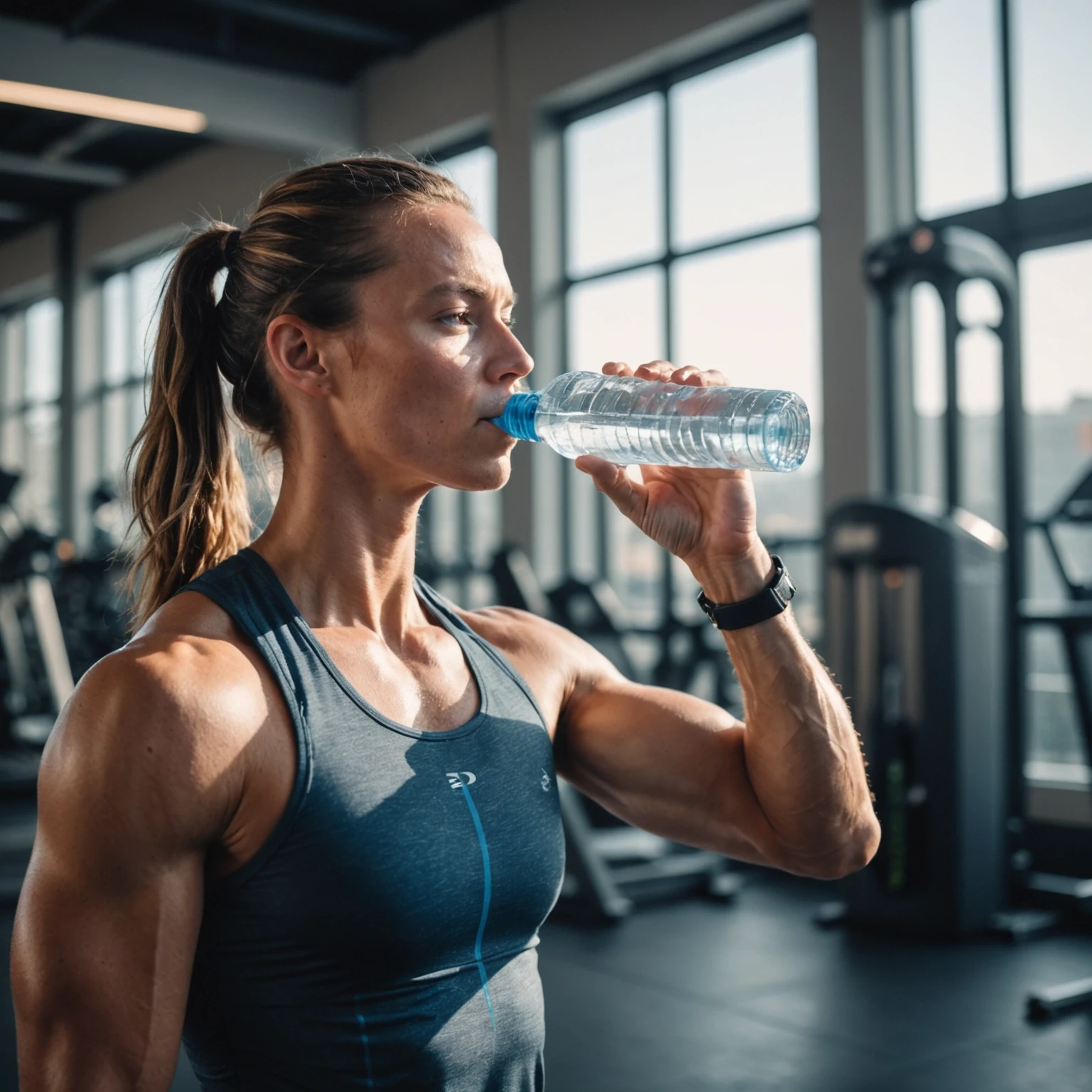
- Before Exercise: Drink 12-20 ounces of water approximately two hours prior to physical activity to ensure proper hydration from the start.
- During Exercise: Sip 7-10 ounces every 10-20 minutes, adjusting amounts based on environmental conditions and personal sweat rates.
- Post-Exercise Replenishment: Replace fluids lost through sweat; pairing hydration with water-rich fruits or vegetables aids recovery and enhances nutrient uptake.
Combining Hydration with Protein-Powered Meals
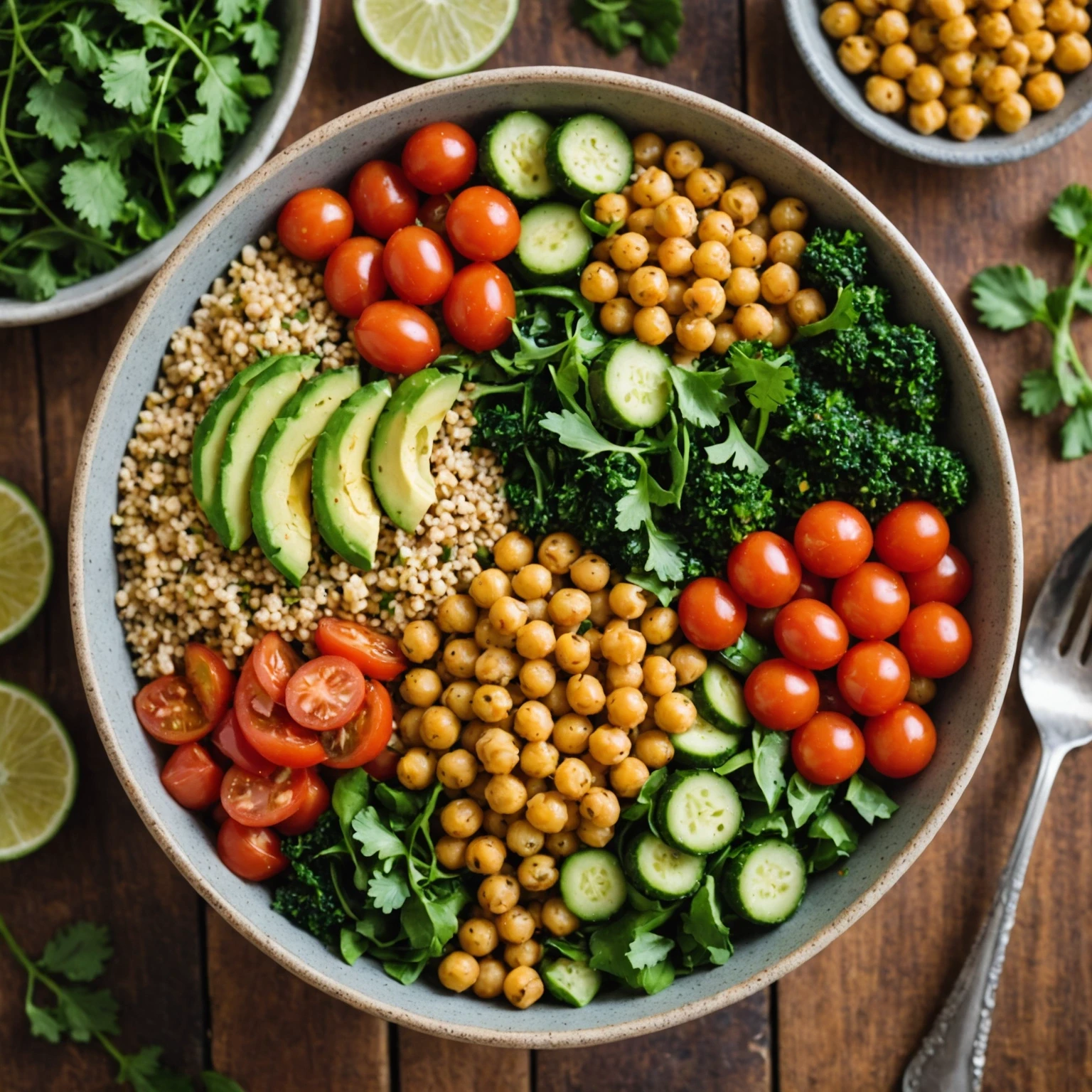
Integrating sufficient hydration with practical, protein-rich meals supports digestion and nutrient absorption. For instance, the Mediterranean-inspired Spicy Chickpea and Quinoa Power Bowl offers plant-based protein complemented by mindful fluid intake to boost energy and recovery.
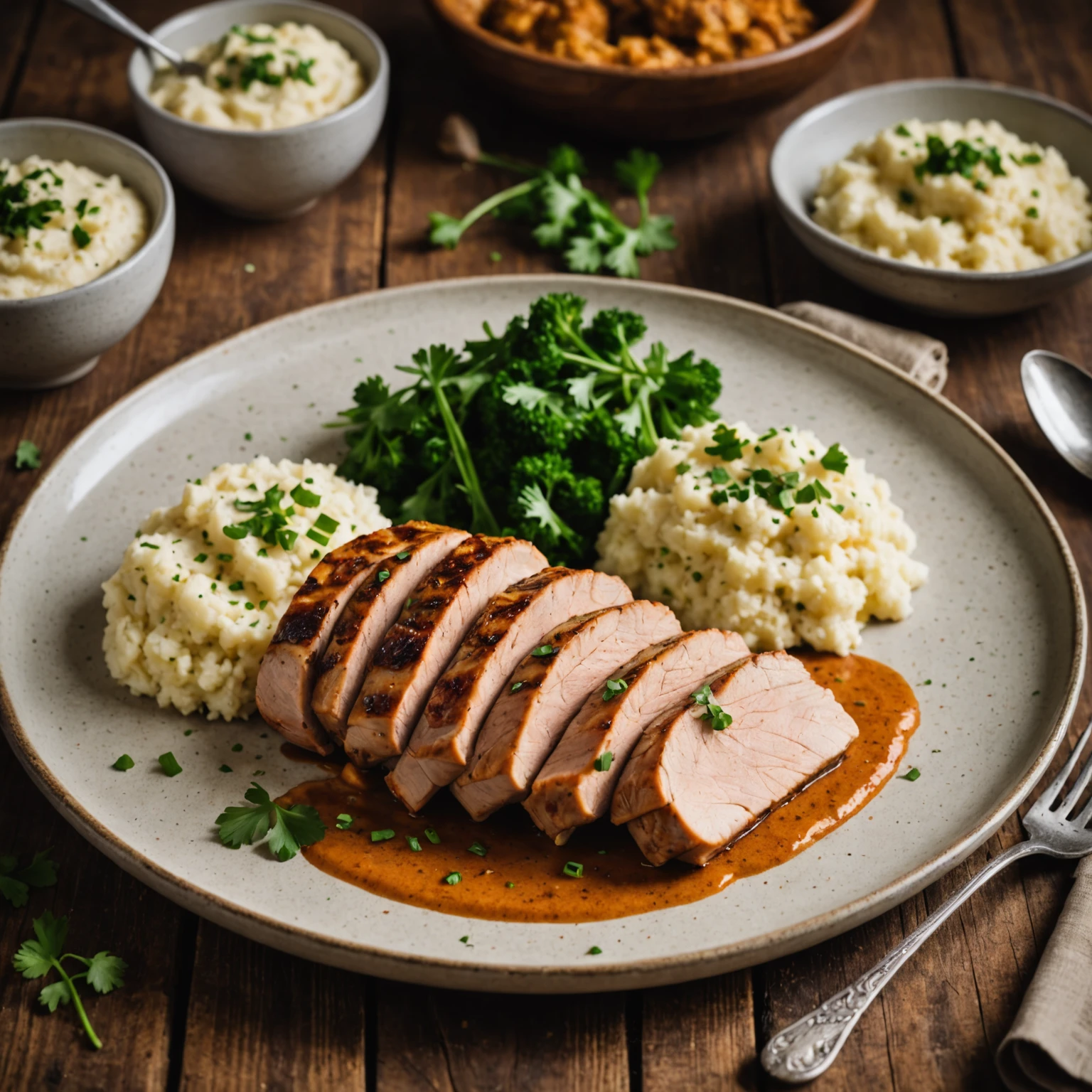
Similarly, the well-rounded Grilled Lemon Herb Chicken with Roasted Vegetables supplies lean animal protein that synergizes with optimal hydration to enhance muscle repair and performance.
Additional Hydration Tips to Support Fitness
- Include naturally hydrating foods such as cucumbers, watermelon, and leafy greens alongside protein meals.
- Use urine color as a simple and effective hydration indicator; pale yellow signifies adequate fluid levels.
- Minimize intake of dehydrating substances like caffeine and alcohol close to workout sessions.
Conclusion
Hydration is a crucial companion to protein consumption in achieving fitness success. Prioritizing targeted water intake enhances muscle function, promotes efficient protein metabolism, and accelerates recovery. This synergy empowers athletes and fitness enthusiasts to reach their performance and wellness objectives more effectively.
Incorporating structured hydration into comprehensive nutrition and training protocols offers a meaningful edge for sustained vitality and improved exercise outcomes.
Related High-Protein Recipes to Try
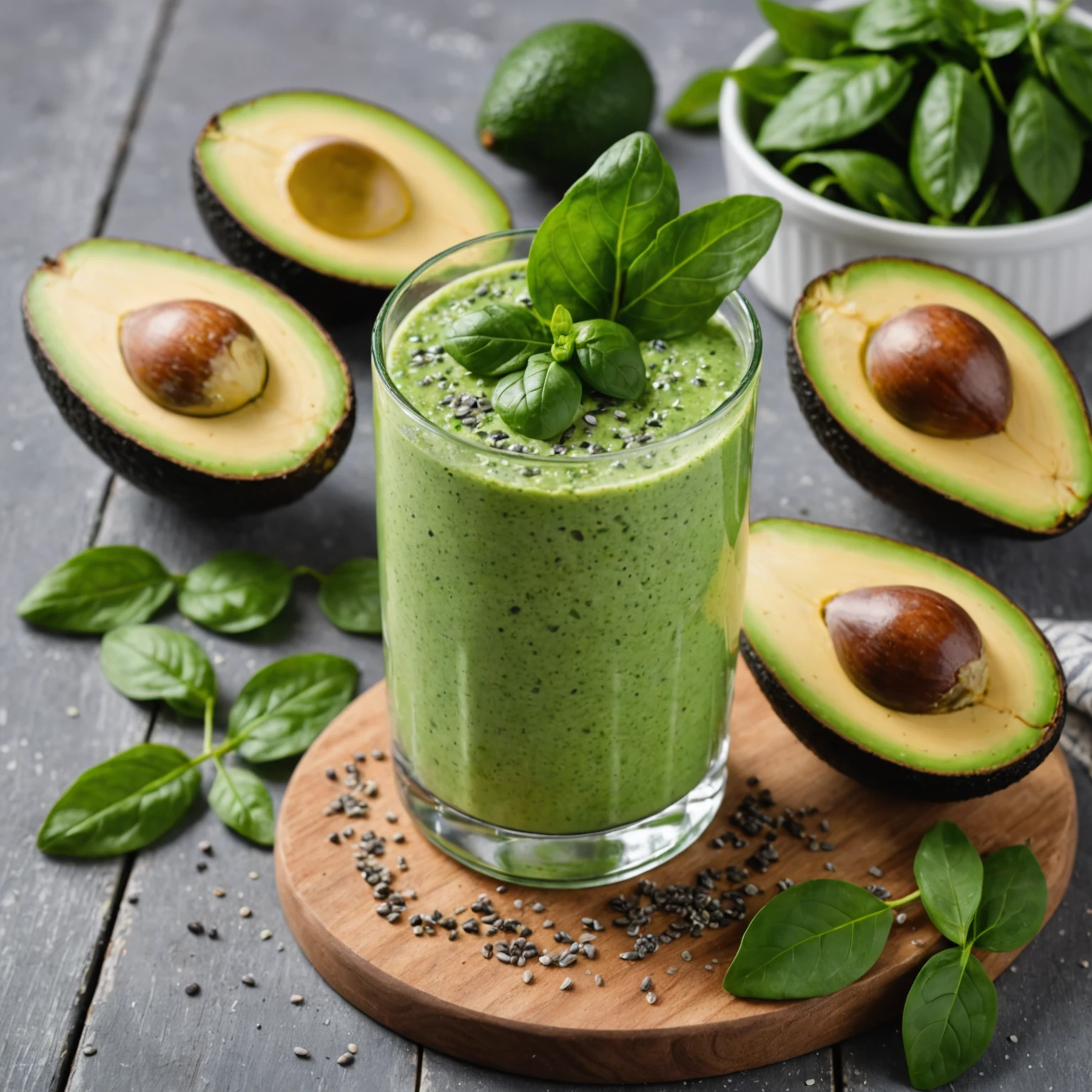
These smoothies and bowls pair hydration-friendly ingredients with protein-focused nutrition.